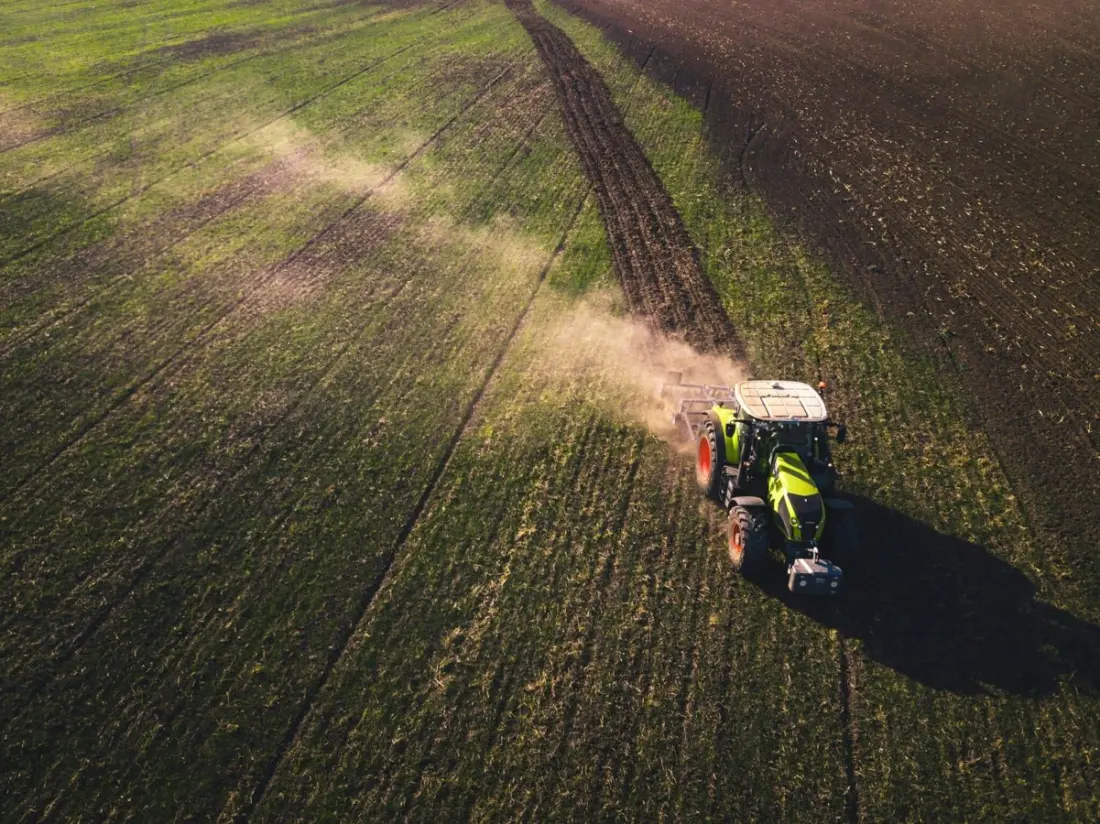
Portugal's agriculture minister, José Manuel Fernandes, has unveiled a fresh €35 million support scheme designed to bring 200 new young farmers into the sector. He announced the funding at the first Young Farmers Meeting (Encontro de Jovens Agricultores), held in Macedo de Cavaleiros in the Trás-os-Montes region of northern Portugal.
The money is a new call under Portugal's support programmes, and the minister's pitch was about cutting friction. Applications will use simplified cost calculations and shed some of the paperwork that typically slows agricultural investment down. Two changes stand out: applicants for water-resource licences no longer need to hold the licence when they first apply — it can be submitted later, once the project is approved and the contract is being drawn up — and the rules on transferring farms will be relaxed, so ownership or management can change hands faster without the application being automatically penalised.
The backdrop to all this is a demographic problem. The average age of people working in Portuguese agriculture is around 64, and Fernandes framed the fund as a matter of both food security and generational renewal. "We have to work for food security – food on the table – and that means generational renewal," he said.
There is also a technology angle. Younger farmers, the minister argued, are more likely to push drones, robotics and precision-agriculture tools into everyday use, which should lift productivity across a sector that has long skewed older and more traditional.
Will holidaymakers care? Indirectly, yes. Rural Portugal — especially regions like Trás-os-Montes, the Douro hinterland and the Alentejo — is increasingly popular with travellers seeking agritourism, vineyard stays and farm-to-table food. A new generation of farmers is more likely to open farm accommodation, revive local food traditions and keep small villages, which depend heavily on seasonal visitors, alive. It is also a signal that inland Portugal is actively trying to counter depopulation, which shapes what rural destinations will look like over the next decade. That said, this is fundamentally an agriculture and rural policy story, so it will matter most to readers following the country's regional development rather than those booking a beach week in the Algarve.