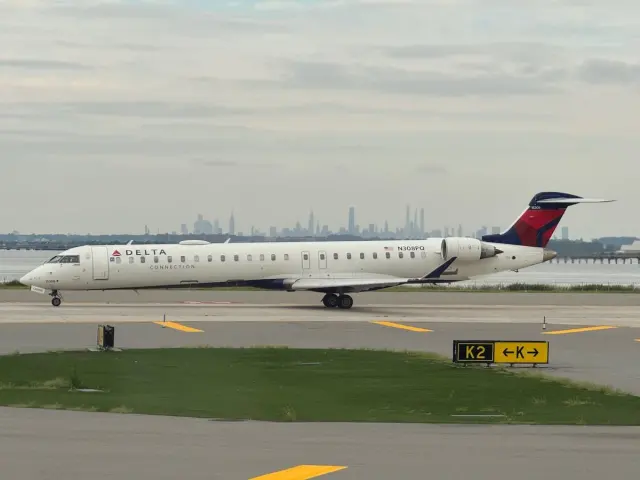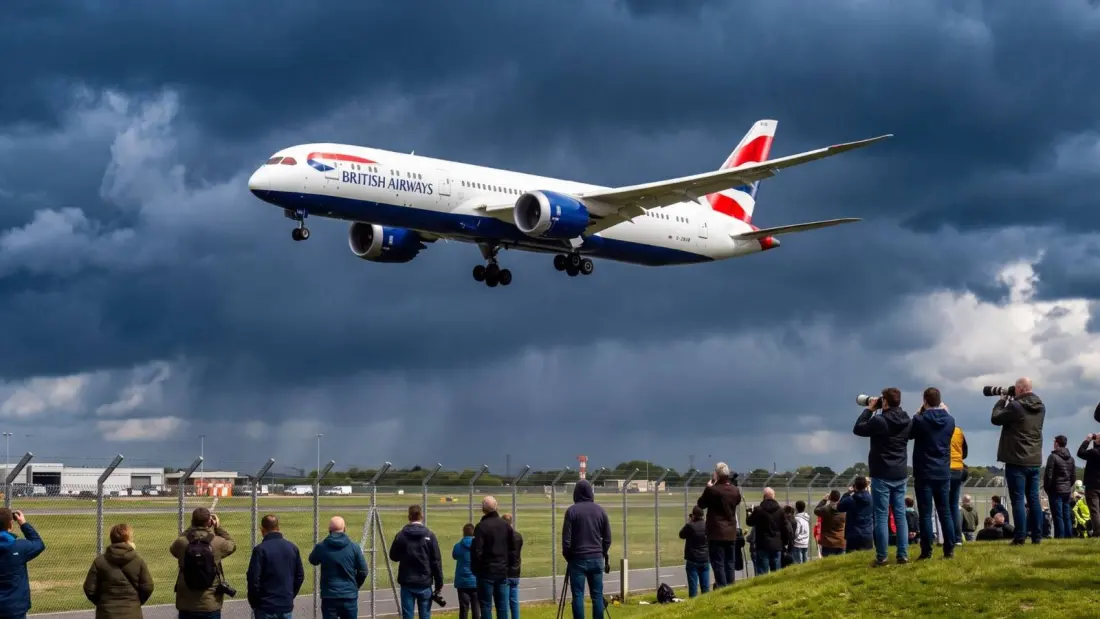
Melbourne is about to regain a direct link to London that disappeared in 2006. British Airways will restart Heathrow–Melbourne flights on 9 January 2027, its first service to the city since the Boeing 747-400 era ended more than 20 years ago. Instead of routing via Singapore as before, the daily service will transit Kuala Lumpur, giving the airline's Heathrow–Kuala Lumpur operation an added role and using fifth-freedom rights to carry passengers on the Malaysia–Australia leg.
It's a monster of a route — around 9,134 nautical miles great-circle — making it BA's second-longest after Perth. The aircraft is the Boeing 787-9, in two configurations: a 215-seat version with the newer business class cabin (eight first, 38 business, 39 premium economy, 130 economy) and a 216-seat one with older business seats. The better-equipped 215-seater is scheduled for roughly 57% of flights from January to October, including the inaugural. Outbound, BA33 departs Heathrow around 9:10 pm, reaches Kuala Lumpur late afternoon, then continues to Melbourne arriving about 6:40 am two days later. The return, BA34, leaves Melbourne mid-afternoon and lands at Heathrow early the following morning.
The timing matters because Melbourne's Europe market is huge and changing. Booking data shows about 1.4 million round-trip passengers flew between Europe and Melbourne in the year to August 2026 — roughly 3,800 people daily — with Gulf carriers Emirates, Etihad and Qatar, plus Singapore Airlines, carrying nearly half of them. BA's return means three European airlines will now serve Melbourne, each via a different Southeast Asian stopover. Finnair launched daily Helsinki–Melbourne flights via Bangkok in late October 2026 (its first Australia route, and the only EU carrier serving the country), while Turkish Airlines runs three weekly Istanbul–Melbourne services via Singapore. Qantas, meanwhile, has restored its same-plane Heathrow–Perth–Melbourne operation, though airspace restrictions over Iran currently force a Singapore stop and break the single flight number, with a full through-service due back on 28 March 2027.
For travellers, this is genuinely good news. London–Melbourne fares have long been shaped by a handful of dominant carriers, and added competition — especially in oneworld's ecosystem, where BA, Finnair and Qantas all now connect — should mean more award seats, better combinations of stopovers, and fresher hardware. If you chase the newer business class, check the aircraft configuration when booking; on a route this long, the seat makes a real difference.