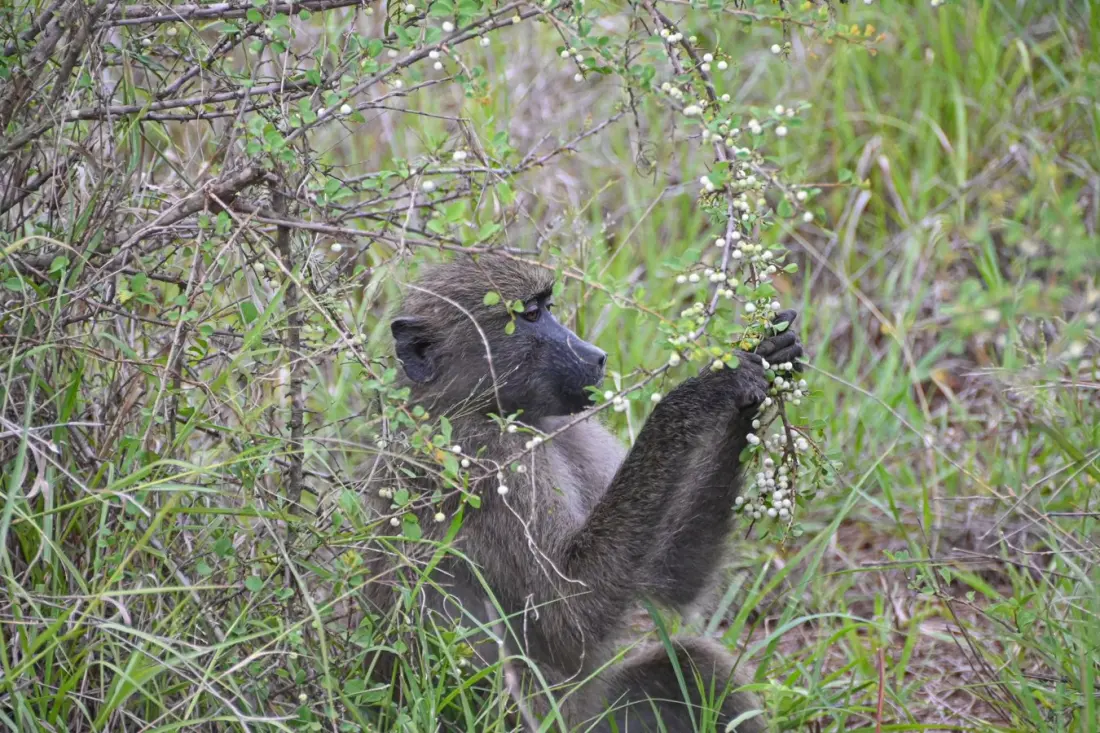
Simon's Town, the naval village on Cape Town's False Bay coast, has a long-running neighbour dispute with its wild residents. Chacma baboons regularly descend from the hills above the town and wander through residential streets, and after years of conflict, the authorities have decided on a drastic fix: relocating two entire troops to fenced enclosures.
The operation got underway on Friday, 13 November 2026, with the baboons being moved to the Urban Wildlife Centre at Kogelfontein. The Cape of Good Hope SPCA became involved after receiving several calls the previous day from residents reporting baboons being captured. An inspector sent to the scene found no capture activity underway, but later that evening the organisation was told a relocation permit had been granted and was asked to have someone present.
Here's the nuance: the SPCA showing up doesn't mean it approves. The organisation has made clear that its role is to monitor animal welfare independently — watching over the capture, handling, transport and placement of the animals — while the relocation decision itself belongs to the authorities. Its inspectors can only flag and address welfare concerns within their legal powers.
The SPCA has, in fact, voiced strong reservations. It remains opposed to putting healthy, free-ranging baboons into permanent captivity, and it has acknowledged the move doesn't erase its concerns. It also weighed the alternatives, though. Its own vet teams and inspectors regularly deal with baboons that have been shot, poisoned or injured in urban areas, so leaving the troops where they were wasn't deemed acceptable either. The organisation doesn't back euthanasia as a management tool for these animals at this stage, and considers a sanctuary the least-bad option — one that keeps them alive and out of immediate danger. The catch is the long game: the Urban Wildlife Centre now has to meet the baboons' physical, behavioural and social needs for the rest of their lives. For the moment, the SPCA's stated priority is simply that every animal in the operation is treated humanely.
So why should this matter to travellers? The chacma baboons of the Cape Peninsula are one of the region's most talked-about wildlife encounters — troops are a familiar sight along Chapman's Peak, at Cape Point and on the hiking routes above Simon's Town, and they've become famous for raiding cars and bags. If you're heading to the Cape Peninsula, the picture is shifting: two local troops will no longer roam free, and the debate over how South Africa manages its urban wildlife is far from settled. If you do encounter baboons anywhere on the Peninsula, keep food hidden, stay in your vehicle when they're around, and never feed them — it's what escalates the conflict in the first place.
Originally reported by Getaway South Africa.