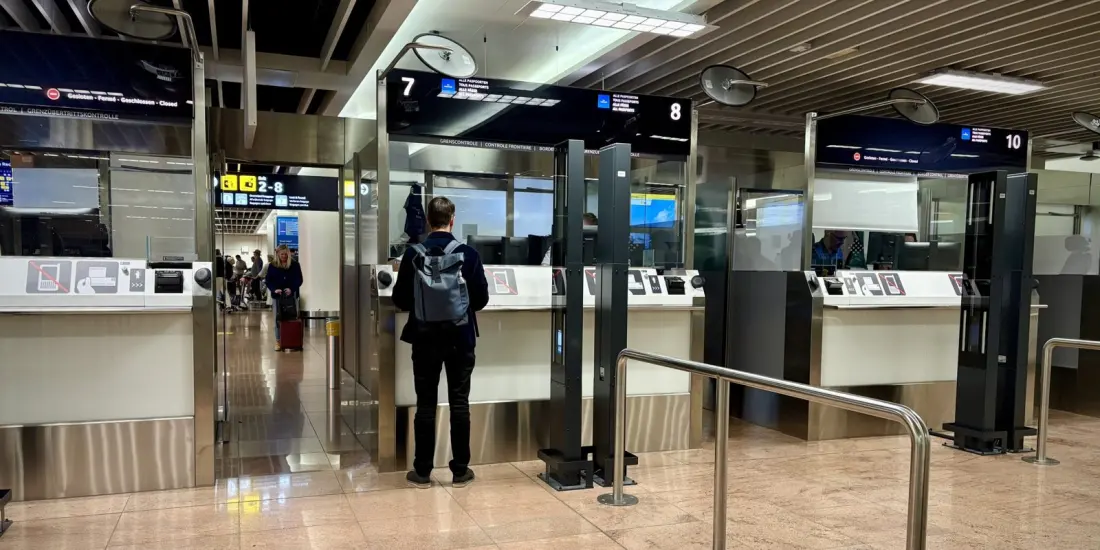
A glitch in the European Union's Entry/Exit System (EES) is flagging innocent visitors as visa overstayers — and the consequences can be severe. The biometric registration system, which records when third-country nationals such as British and American passport holders enter and leave the Schengen Area, has in some cases failed to log departures entirely. That makes it look as though a traveller never left, pushing them over the strict 90-days-in-180 limit and exposing them to fines and entry bans.
The most striking example to surface so far involves author Jojo Moyes, of Me Before You fame. After a trip to Portugal, she was checked by French immigration officers in Marseille. Although she had spent just 23 days in the EU in total, the system showed she had never left Portugal. Officers told her she could be charged €10,000 and barred from the bloc for two years if she returned before the record was fixed — and sorting it out may mean paying for a lawyer.
There are ways to protect yourself. The EES website shows how many of the last 180 days it has you down as being present in an EU country, so it's worth checking after each trip. If something looks wrong, you can email the relevant country's Data Controller — Which? says the right contact is listed on the Travel to Europe data protection page — along with a scan of your passport and evidence of your travel dates.
The UK's Foreign, Commonwealth and Development Office has acknowledged the problem, telling The Guardian it is aware of inaccurate records affecting British nationals, including incomplete entries and the registration of people who shouldn't be in the system at all. It says it is raising the issue with the European Commission.
This isn't EES's first stumble. The rollout, which finally began in October 2025 after repeated delays, was plagued by connection failures, staff shortages and infrastructure gaps that produced long queues at major European hubs. Some flexibility to pause the checks at peak times was allowed during the transition — that grace period has now ended, despite objections from across the travel industry. Behind the scenes, the EU's IT agency eu-LISA has even opened a legal procedure against the consortium behind the €212 million system over the chronic delays.
For holidaymakers, the practical takeaway is simple: don't assume the system is right. Keep boarding passes, stamps and receipts as proof of when you left the Schengen Area, check your recorded days on the official EES site after each trip, and act quickly if the numbers don't match reality. An error caught early is far easier — and cheaper — to fix than an overstay accusation at the border.