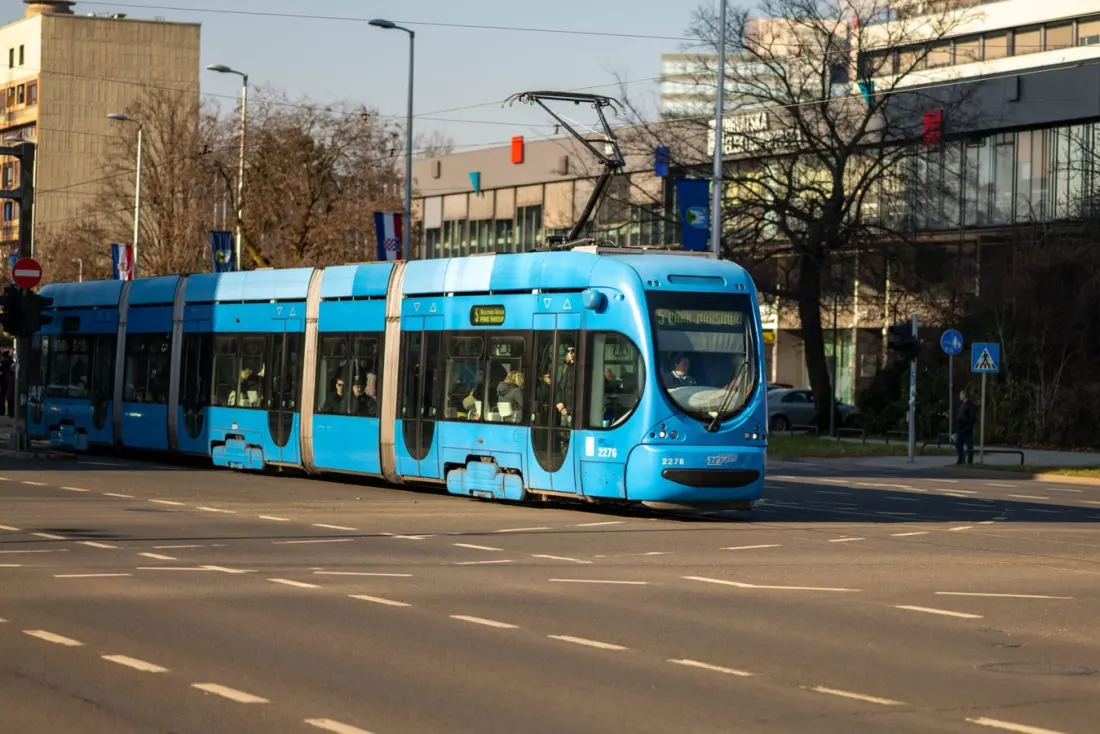
Zagreb's long-delayed tram expansion along Heinzelova and Radnička streets is finally moving forward. The city has confirmed GIP Pionir as the winning contractor after the State Commission for the Control of Public Procurement (DKOM) rejected a second appeal from a rival consortium, led by Texo Molior of Cavtat and Zagreb's Tigra. Preparation for construction can now begin.
The saga has been running since the project was announced in 2023 and formally launched in November 2024. The first tender collapsed when bids came in well above the estimated 48 million euro price tag (VAT excluded), forcing the city to re-tender in May 2025. GIP Pionir was selected that summer, only for the Texo Molior consortium to appeal successfully in January, with DKOM ordering a full re-evaluation of all four bids. Another appeal followed, and the city has spent months — three waiting for one ruling, six re-assessing bids, and nearly four more waiting for the latest decision — before the Commission finally sided with the city. Works cover 3.7 kilometres of new tram track.
It's not just rails. The contract also includes rebuilding and protecting 1.4 kilometres of water supply infrastructure along Heinzelova Street and Radnička Road, plus replacing sewer collectors that date from between 1920 and 1950. Those utilities have to be upgraded before the nine-stop tram line itself can be built — meaning disruption in the area is likely to be drawn out, but the end result will be a better-connected eastern side of the Croatian capital.
For visitors, the immediate takeaway is practical rather than glamorous: Heinzelova and Radnička are working corridors on the city's eastern edge, and anyone staying or travelling through that part of Zagreb should expect roadworks and possible tram detours over the next couple of years. Zagreb's tram network is already the backbone of getting around the capital — most travellers never need a car there — and this line is the first genuine expansion in years, eventually linking neighbourhoods that currently rely on buses or long walks. Longer term, it should make districts east of the centre noticeably easier to reach for anyone venturing beyond the usual Draskiceva-market-and-Upper-Town circuit.
If you're planning a Zagreb trip in the near future, this project is worth knowing about rather than planning around. The historic centre, Ilica, Ban Jelačić Square and the main station are all untouched by these works, and the city's existing trams remain the easiest way to cover ground. Just build in a little extra time if your route crosses the east of the city, and keep an eye on Zagreb's announcements before construction starts — the exact timeline for works hasn't been set yet, only the contractor.
The real story here is that a project stuck in procurement limbo for two-plus years is finally unstuck. For a city that keeps growing in popularity as a short-break destination, better tram coverage to its eastern districts is a quiet but genuine upgrade.