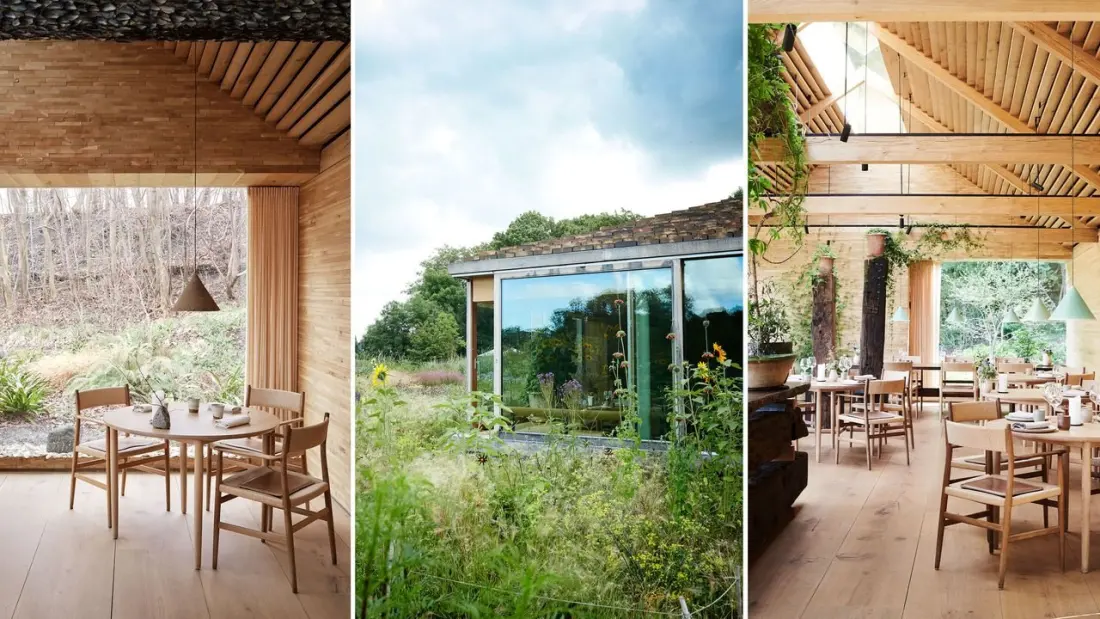
Noma, the Copenhagen restaurant that defined new-Nordic cuisine and was repeatedly voted the world's best, closed its fine dining service in 2024 after more than two decades. It quietly reopened this August, and the author of this piece managed to grab one of the fiercely contested tables — reservations for the three-month window vanished within minutes of release.
The comeback came with baggage. In March 2026, a New York Times investigation accused co-founder René Redzepi of exploiting unpaid interns and mistreating staff. He apologised on Instagram, acknowledged the culture had needed transforming, and stepped back from leadership — though he remains listed as founder, owner and creative director. Day-to-day, the kitchen is now led by head chef Pablo Soto, who joined as an intern back in 2012 and describes the reopening as a new chapter rather than a return. Noma says it has improved working hours and staff welfare, and the dining room's mood — chants of "yes chef", long-serving staff — suggested a calmer operation.
The meal itself: 22 mostly single-bite dishes that pushed hard on seasonality. Think Danish lobster tail with grapes, a pike-perch whose head arrived as its own course, rose petal gazpacho, and a mould-and-seaweed tartlet. The biggest structural change is that the menu now rotates monthly instead of three times a year. The wine pairing, drawn from small vineyards, was excellent — which softens the blow of a bill approaching £1,600 for two.
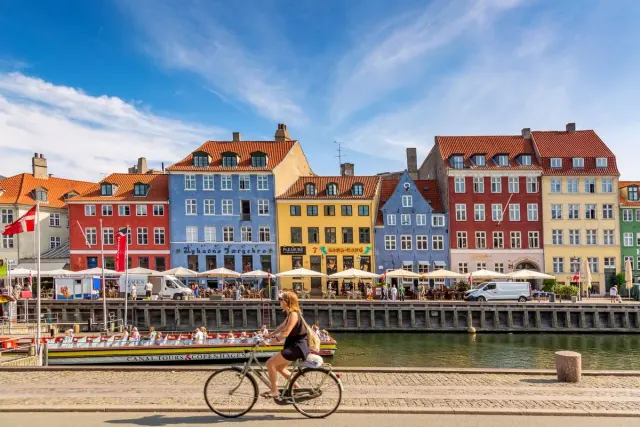
The more interesting story, though, is what surrounds Noma. The restaurant currently holds no Michelin stars (it wasn't open long enough to qualify for evaluation), yet the city it helped transform now carries a record 31 stars across 21 restaurants. Ex-Noma chefs have scattered into their own kitchens — Matt Orlando's ESSE, one of three first-time stars this year, works with regenerative organic farms and serves dishes like chilled mint and chilli noodles with crushed fish bones. Meanwhile Tivoli's Michelin-starred pop-ups in a former Christmas shop have hosted seven visiting restaurants this year, currently the Bangkok-based three-star Sühring, and even staged the 2026 Michelin Guide Nordic awards. Add kayaking to a floating pizza-and-sauna spot, theatrical meals at Alchemist, and momo dumplings at Reffen street food market, and Copenhagen now offers serious food at almost any price point.
For travellers, the takeaway is clear: Noma is still an extraordinary, expensive, once-in-a-lifetime table — but you no longer need a booking there to eat brilliantly in Copenhagen. The city has outgrown its famous son, and that's arguably the best news of all.