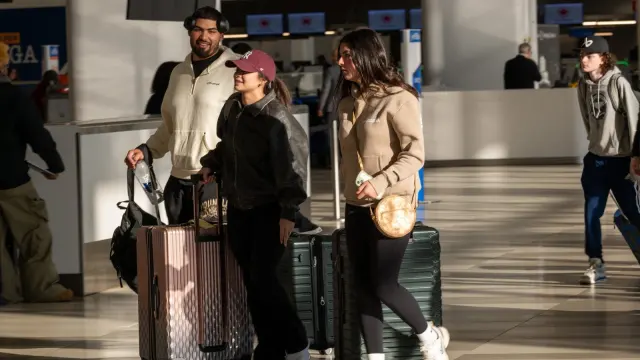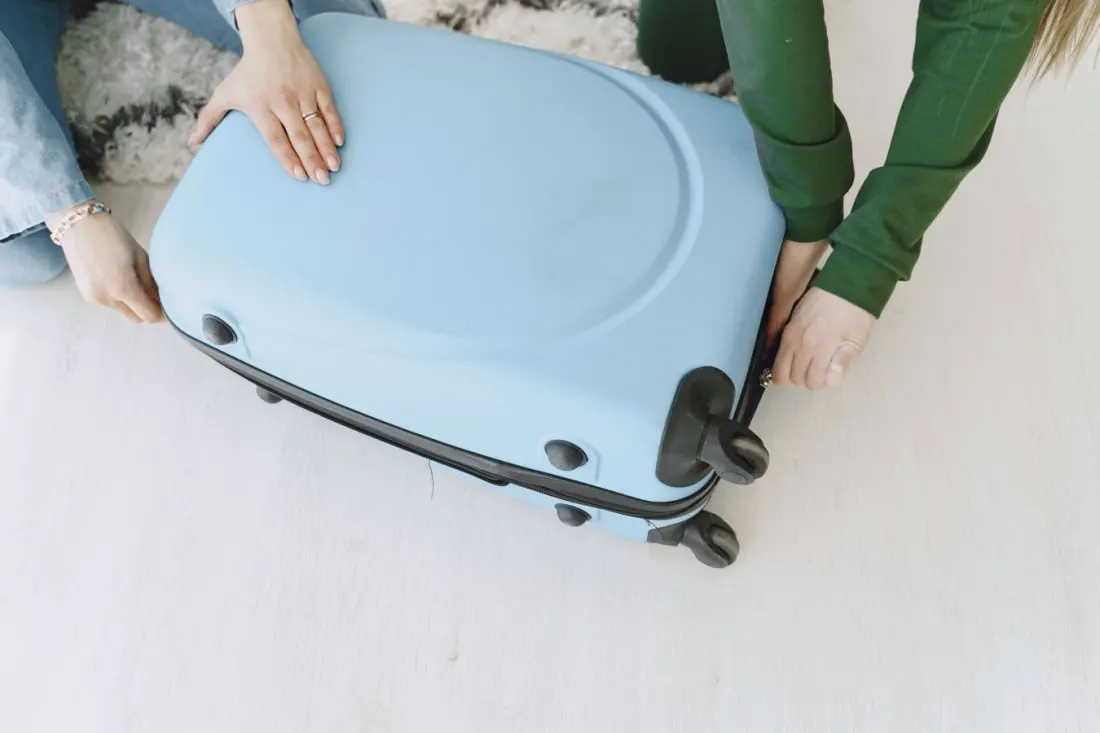
Most carry-on suitcases on the market are built to fit the big four US carriers — American, Delta, Southwest and United. But fitting one airline's rules doesn't guarantee it passes everywhere, and the differences between carriers are bigger than many travellers realise. Before your next flight, it's worth checking the exact numbers.
Southwest and Frontier are the most generous, both allowing carry-ons up to 24 x 16 x 10 inches — a full two inches wider and taller than the industry standard. Allegiant sits at 22 x 16 x 10 inches. Everything else clusters around 22 x 14 x 9 inches, including wheels and handles: that's the limit at American, Delta, United, Alaska, Hawaiian and JetBlue.
Personal item rules matter just as much, since that's where most people store laptops and essentials. American and Delta simply require the bag to fit under the seat in front of you, with generous exemptions — diaper bags, breast pumps, medical devices, umbrellas and duty-free purchases don't count toward your allowance. United gets specific: 9 x 10 x 17 inches. JetBlue caps personal items at 17 x 13 x 8 inches, while Allegiant allows 18 x 14 x 8 inches and Frontier 18 x 14 x 8 inches including straps.
A couple of quirks worth knowing. Frontier pairs its roomy carry-on allowance with a weight cap of 35 pounds — easy to hit with a fully loaded roller bag. Southwest counts pet carriers as either your personal item or your carry-on, so a flying companion with a cat could leave you short on space. And remember that wheels and handles count toward your total on nearly every carrier.
The practical takeaway: buy a bag sized to the strictest airline you fly regularly, not the most generous. A 22-inch roller that clears American, Delta and United will also fit Southwest and Frontier, but a 24-inch Southwest-legal case could cause problems at the gate on tighter carriers — and regional jets often have smaller overhead bins regardless of the official limit. That's why some frequent flyers deliberately travel with undersized luggage, accepting a harder packing job in exchange for never worrying about a gate check.
One more caution: these rules change, and budget and regional airlines are the most likely to tighten them or start charging for carry-ons. Measure your bag before you fly, not after you've bought it.