The Izu Peninsula, barely two hours by road from Tokyo, is where hot-spring towns, volcanic coastline and walking trails collide – and it's where one writer for Condé Nast Traveller UK found what she calls her favourite Airbnb: a mid-century house from the 1970s perched in the trees above the town of Ito, with the ocean on one side and Mount Omuro in view.
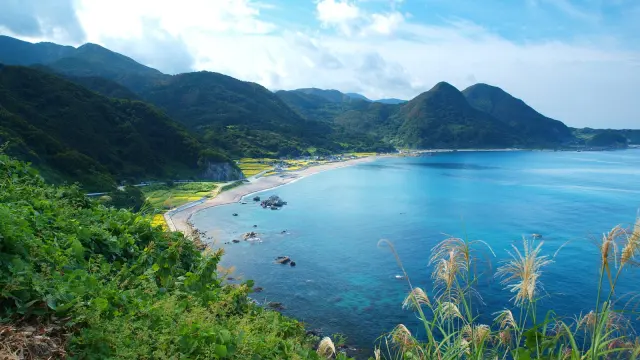
The drive in sets the tone. Coming from Mount Fuji, the route alternates between forest tunnels and stretches of startlingly blue sea, with orange groves scenting the air through the open windows. The house itself is reached via a steep, winding climb that ends in an ordinary-looking suburb – until you spot a staircase disappearing into the trees. What waits at the top is a two-storey wooden home that seems to float among the foliage.
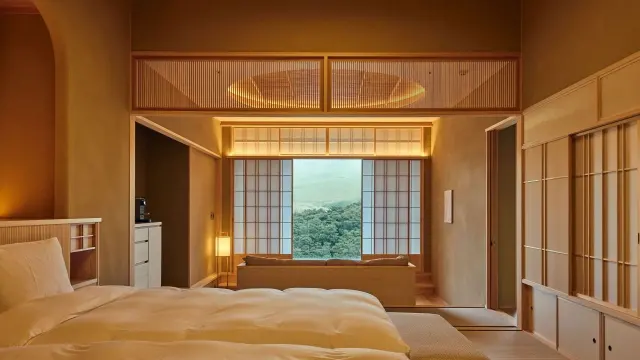
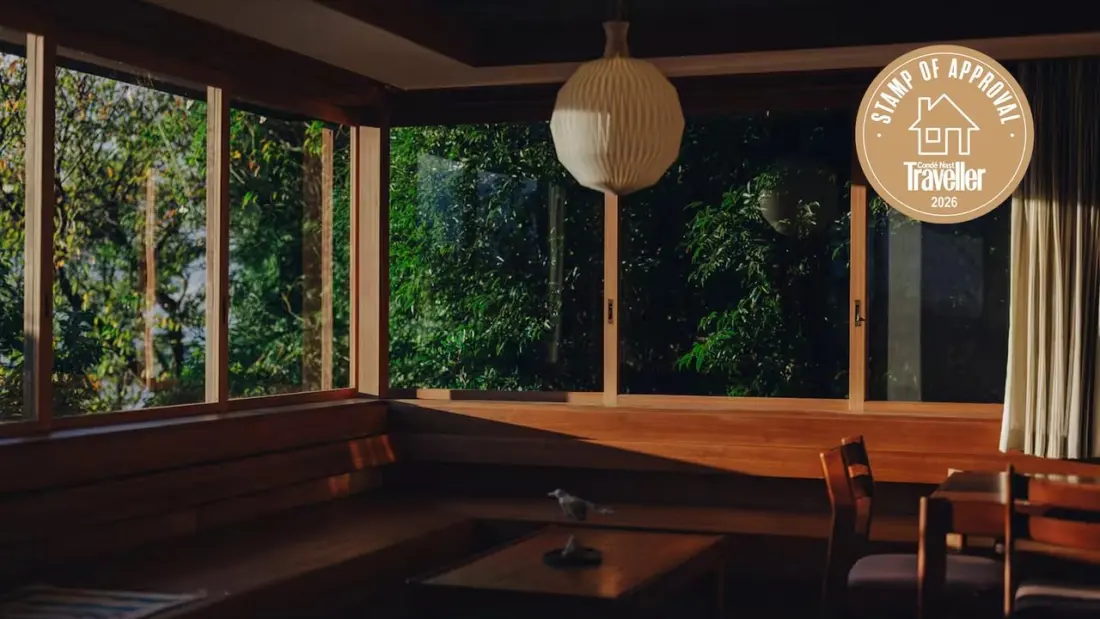
Inside, the owners have clearly resisted the urge to modernise. The original decor survives in walnut wood, neutral tones and organic materials, with long built-in benches and cabinets of art and design books. It reads minimal and sleek, but never sterile. Guests arrive to small touches: Muji incense to light, a record player stocked with albums, and what the writer's coffee-obsessed husband rated the best Airbnb coffee set-up he'd seen – a temperature-controlled gooseneck kettle, quality pour-over bags and proper ceramic mugs.
The real magic is the light and the view. Wall-to-wall windows frame the ocean, so arriving at dusk means watching the sky go deep orange and pink over the warm wood interior. The bedroom is wrapped in glass and ringed by trees, with a low mattress that somehow feels grounded despite hovering in the canopy – and during a storm, the wind does the work of a lullaby. Come morning, sun through the paper shoji screens throws shifting plant shadows across the room while you drink pour-over coffee under blankets.
The writer paired the stay with the peninsula's quirks, including a winter festival devoted to narcissus – three million yellow blooms in one place, a draw she admits was partly national pride given the daffodil connection back home in Wales. She also leans into a very Japanese travel ritual: dinner sourced from a 7-Eleven run, eaten at home with records playing.
Why it matters: this is a template for a different kind of Japan trip. Instead of cramming in cities, ski slopes and onsen towns, it shows how one well-chosen base can deliver the quiet, nature-immersed side of the country that's easy to miss on a whirlwind itinerary. It suits slow travellers, design lovers and anyone visiting Izu for its hot springs and coastal walks who'd rather sleep in a treetop than a hotel tower.
Condé Nast Traveller UK