The Caspian Sea is shrinking, and the countries that share its shoreline are finally coordinating a response. On 5 October, the Kazakh port city of Aktau hosted a high-level environmental dialogue that also marked the launch of a Japan-funded project to monitor and manage the sea's declining water levels.
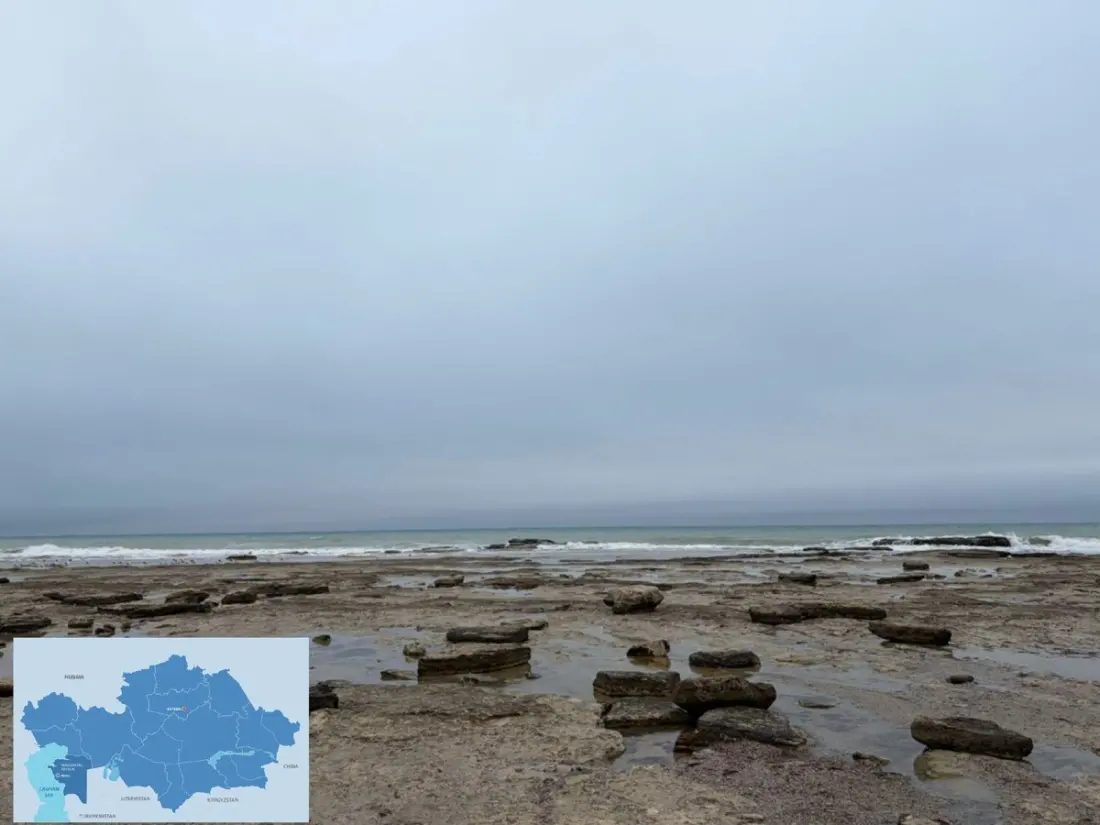
The event, organised by the UN Development Programme in Kazakhstan together with the Ministry of Ecology and Natural Resources and the Mangystau regional administration, gathered scientists, diplomats, businesses and civil society groups. Kazakhstan has the longest stretch of Caspian coastline of the five littoral states, so the sea's steady retreat is a pressing domestic concern: it threatens biodiversity, coastal towns, infrastructure and local livelihoods. Scientists point to climate change and shrinking river inflows as factors that could speed up the decline.
Kazakhstan's Ecology Minister Alibek Kuantyrov used the platform to call for systemic action rather than piecemeal fixes, describing the Caspian as vital to the country's economy and a link between the five bordering nations. The Japanese-funded project will set up a regional scientific platform for data sharing between the Caspian states, upgrade monitoring and laboratory equipment for the Northern Caspian, and train specialists. It will track sea level, river flow, water temperature, salinity and evaporation, feeding that data into satellite and seabed mapping observations to build better forecasts of how quickly the sea is falling.
Japanese Ambassador Yasumasa Iijima noted Japan brings long experience in water management and disaster risk reduction to the table. The Aktau dialogue was also the first event under a new 'Friends of the Caspian' initiative, which will be pitched to international donors at the UN climate conference in Antalya, Türkiye, in November.
For travellers, this matters because the Caspian is one of the world's most underrated and least understood destinations. Aktau itself is a curious seaside city — Soviet-era planned streets sloping down to dramatic limestone cliffs, beach clubs along the Mangystau coast, and the otherworldly desert landscapes of Bozzhyra and Torysh valley within road-trip reach. But the sea's retreat is already visible in receding shorelines, and the long-term future of Caspian beaches, fishing towns and even the endemic Caspian seal depends on whether these monitoring and cooperation efforts translate into action. If you've ever fancied visiting before the crowds arrive, the window to see this vast, evolving sea as it is may not be open forever.
Story reported by The Astana Times.