A maze of volcanic stone pillars in southeastern Arizona just got a serious promotion. Chiricahua National Monument, protected since 1924, is now Chiricahua National Park — the first new national park designated in the United States in six years. The change follows the Chiricahua National Park Act, signed on October 20, and announced by the Interior Department on Wednesday.
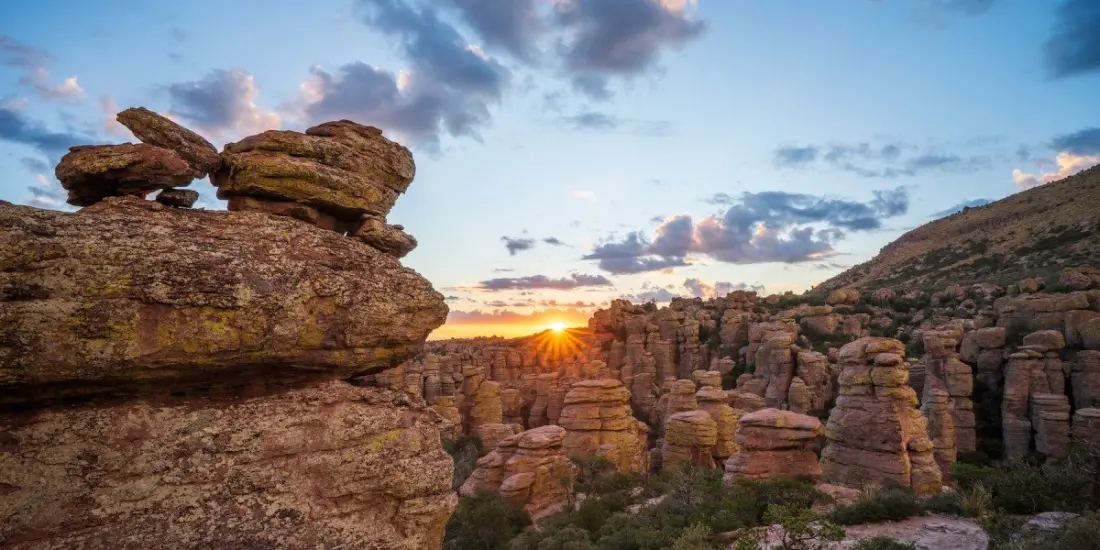
The park covers roughly 12,000 acres near the town of Willcox and becomes Arizona's fourth national park, alongside the Grand Canyon, Petrified Forest and Saguaro. Its claim to fame is a forest of towering spires and balanced boulders, the leftovers of an eruption around 27 million years ago. Locals and park fans have long called the area the Wonderland of Rocks, and the new title finally matches the drama of the scenery.
What makes Chiricahua more than just pretty rocks is its setting. The formations rise out of the Chiricahua Mountains, one of Arizona's "sky islands" — isolated mountain ranges that soar above the desert floor and stack desert, grassland and forest ecosystems on top of each other. That mix supports an unusual range of wildlife: birders flock to Bonita Creek for some of the park's best viewing, and hikers with patience may spot a coatimundi, a raccoon relative more at home in Mexico.
The land also carries deep human history. This is the homeland of the Chiricahua Apache, and the region is closely tied to the Apache leader Cochise. Later, homesteading families left their mark at Faraway Ranch, which the park preserves today. Interior Secretary Doug Burgum highlighted both the area's Apache heritage and its biodiversity as reasons the redesignation matters, saying it should draw more visitors and economic benefit to the region.
In practical terms, though, not much changes for travellers just yet. Hiking, camping, scenic drives, wildlife watching and stargazing all continue as before, and the National Park Service has signalled that its protections remain unchanged. It's also unclear whether the park will get extra funding, staffing or adjusted boundaries.
The classic visit is straightforward: drive Bonita Canyon Drive up to Massai Point, the signature overlook, then set off on trails like Echo Canyon that weave directly through the spires. If you're already touring Arizona's national parks, Chiricahua is the under-the-radar addition — far quieter than the Grand Canyon, with some of the strangest and most photographable geology in the state. Going now, before the crowds that a "national park" title inevitably brings, is a smart move.
Story first reported by Sunset.