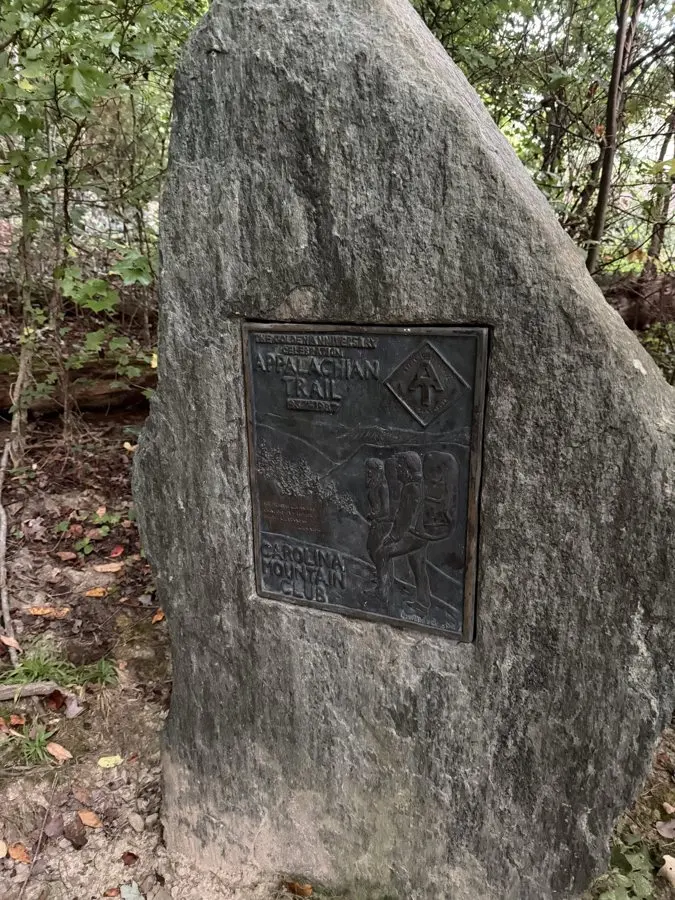
Two days from entering Great Smoky Mountains National Park, an Appalachian Trail thru-hiker writing as 'Acorn' filed a trail diary that captures exactly why this stretch of the AT, between Hot Springs, North Carolina and the Tennessee line, has such a devoted following.
Day one was a 20.2-mile push from Hot Springs to a stealth camp past Max Patch. But the real headline came before the boots went on: the town diner bakes its homemade cinnamon buns on Saturdays only, and Acorn's hiking partner Epic had the foresight to preorder three for a 7am pickup. Warm from the oven and slick with sugary glaze, they powered the morning's climb toward Bluff Mountain, which tops out just shy of 5,000 feet.
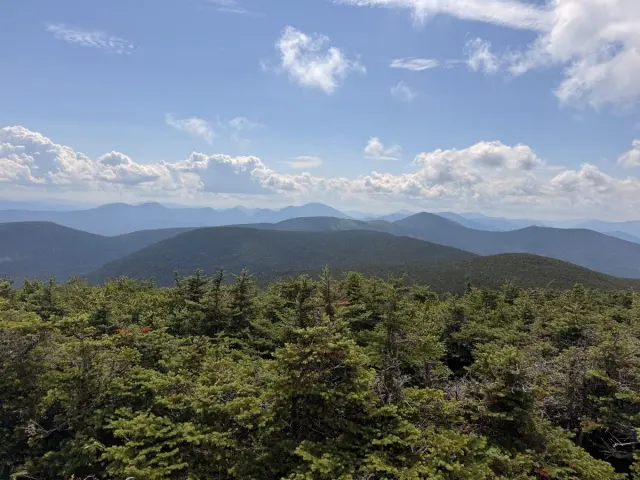
The trail delivered more than baked goods. A charity run-walk event raising money for cystic fibrosis was moving along the same corridor in the opposite direction, and hikers and runners traded encouragement all day. At a halfway refuelling station the participants cheered Acorn and Epic through, topped up their water bottles and handed out snacks. Then came Max Patch itself: a bald, grassy mountaintop with wide-open 360-degree views, where they watched a marriage proposal nearly unfold before dropping off the far side to camp.
Day two was a shorter, 13-mile leg to Standing Bear Hostel, the classic last stop before the Smokies. It started with a rare downhill, then swung up Snowbird Mountain, a sweaty, challenging ascent. Along the way came the 12th bear sighting of the hike, with the animal sliding down a tree 'faster than a fireman down a pole' once spotted. The plan: cross into Great Smoky Mountains National Park on Monday.
Why does this matter if you're not thru-hiking? Because this corridor is one of the most accessible slices of long-distance trail in the eastern US. Max Patch is a short drive from Asheville and a favourite sunset walk for day hikers; Hot Springs makes a charming small-town base with hot springs, trail hostels and that Saturday-only cinnamon bun ritual worth planning around. Standing Bear Hostel shows the support network, bunks, resupply and shuttles, that lets casual hikers sample the Smokies approach without committing to a 2,000-mile trek. And the recurring bear encounters are a good reminder that this is genuinely wild country: hang your food properly and know what to do when one shimmies down a tree nearby.