Colombia's new president, Abelardo de la Espriella, has pulled the plug on every remaining peace negotiation between the government and armed groups, ending a policy experiment that defined his predecessor Gustavo Petro's time in office. The announcement came on September 11, barely a month into de la Espriella's term, and it reframes the security picture in a country many travellers have only recently put back on their lists.
The scrapped talks were extensive. They covered negotiations with dissident factions of the former FARC rebels, including the Estado Mayor de los Bloques Magdalena Medio and the Coordinadora Nacional Ejército Bolivariano, plus the National Liberation Army (ELN) and its offshoot Comuneros de Sur. Talks with the narco-paramilitary Autodefensas Conquistadoras de la Sierra Nevada and urban criminal gangs in Medellín, Quibdó and Buenaventura were also terminated.
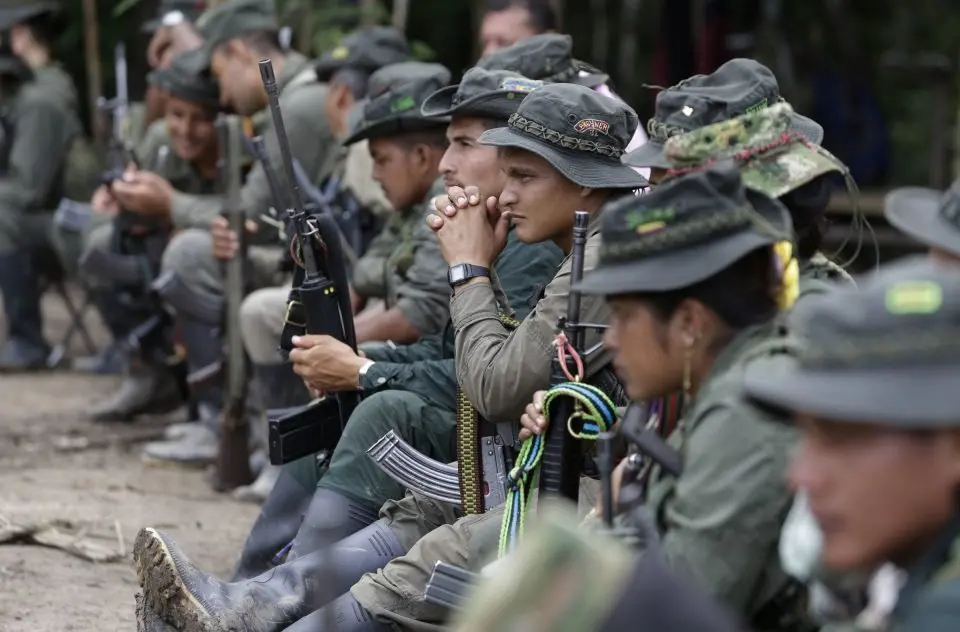
One detail stands out: in June, 99 CNEB fighters had already agreed to demobilise under Petro, and they asked the incoming president to honour that deal. He didn't. The temporary relocation zone where they had been living in southern Putumayo, near the Ecuador border, has been dissolved. Armando Novoa, the former government negotiator for Putumayo, told El Tiempo he fears former combatants there could take up arms again, with troubling consequences for local communities.
De la Espriella campaigned on a hard-line platform and has been dismantling the negotiation tables one by one since August, saying none showed a genuine will for peace. His office also attacked the cost of the process, claiming more than 7 billion pesos went on fees for negotiators and spokespersons alone — before counting security, travel and the relocation zones. His stated position is blunt: no political status, no concessions, no impunity for criminal groups.
For context, Petro's "Total Peace" policy did bring many armed groups to the table, but the number of armed actors in Colombia actually grew from around 13,000 in 2022 to 27,000 in 2025, and rural communities caught in contested territory saw little relief. Whether the new approach improves that is an open question; critics warn the end of talks could mean more fighting, not less.
Why should holidaymakers care? Colombia's mainstream destinations — Bogotá, Medellín, Cartagena, the coffee region, the Caribbean coast — operate largely outside these conflict zones, and city gangs being targeted by a tougher security policy doesn't change the usual urban safety advice. The real takeaway is geographic: put border and jungle regions like Putumayo, parts of the Pacific coast and remote catatumbo-style areas off your itinerary for now, and treat any plan involving the Ecuador frontier with extra caution. Check your foreign ministry's current travel advisories before booking anything off the beaten path, and keep an eye on how the security situation develops over the coming months. For city breaks and classic routes, it's business as usual — with the usual vigilance.