Colombia is quietly becoming one of Latin America's better-performing economies. According to the World Bank's latest regional update, released on October 6, the country's GDP is forecast to expand 2.3% in 2026 — ahead of Brazil at 2.1%, Mexico at just 1.4%, and the regional average of 2.2%.
That may sound modest, and it is: the figure is actually a slight dip from 2.6% growth in 2025. But context matters. Colombia's economy expanded only 0.8% in 2023 and 1.5% in 2024, so the current pace represents a genuine recovery. The first half of 2026 saw growth of 2.9%, driven largely by private consumption and public spending, though the Bank expects things to cool as the year goes on — an August earthquake and stretched public finances are both dragging on momentum.
The contrast with the region's two giants is striking. Brazil is being held back by high interest rates that are squeezing credit and investment, while Mexico's outlook is clouded by uncertainty around the USMCA trade agreement review and persistent productivity problems. Argentina is projected at 2.1%, essentially level with Brazil.
Colombia's own challenges are real. Interest rates sit at 12.25% and inflation remains above the central bank's target, keeping borrowing expensive for households and businesses. Earthquake reconstruction will strain a budget already weighed down by debt interest, and the World Bank flags a possible intensification of El Niño as a risk — less water could mean costlier hydroelectric power and higher prices across the board. The Bank also notes the wider region is underperforming, calling 2.2% growth "a figure that does not reflect the region's true potential" and pointing out that countries with solid public policy are already managing 3-4%.
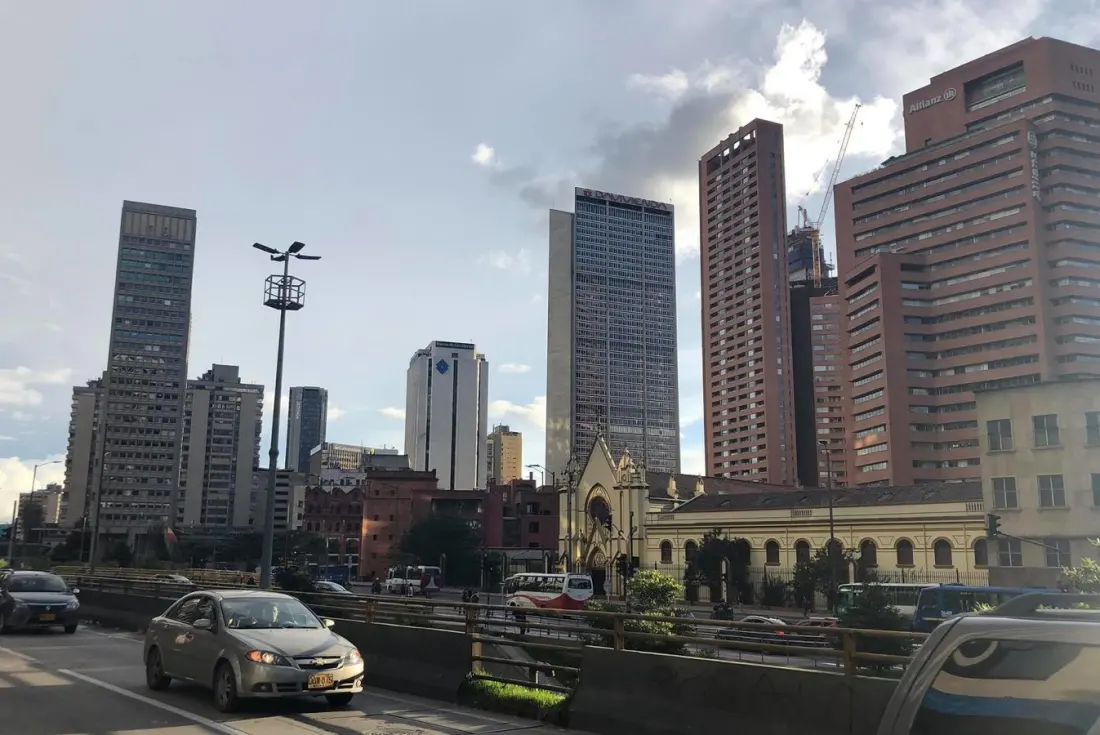
Why should travellers care? A steadily growing economy with strong consumer spending usually means busy restaurants, active nightlife and cities that feel alive — good news for visitors to Bogotá, Medellín and Cartagena. It also signals relative stability compared with neighbours, though high inflation and rates mean the peso and local prices can shift. Colombia's decade-long tourism boom, built on coffee country, Caribbean coastline and a now-famous cultural renaissance, sits on an economy that is outpacing its biggest regional rivals, even if not spectacularly. Watch how the new government's economic plans and the 2027 budget shake out — those will shape everything from infrastructure to exchange rates over the next couple of years.
Story based on reporting by Colombia One.