As of 10 October 2026, El Salvador has recorded 238 days without a single homicide. That figure would have been unthinkable a decade ago in a country that once had the highest murder rate on Earth. In 2025 the nation logged 305 murder-free days — a record — and 2026 is tracking to beat it.
The contrast with the past is stark. Between 2005 and 2019, under successive administrations, El Salvador managed fewer than five homicide-free days across 15 years. In 2018 alone there were 3,346 murders, roughly nine every day, and not one day passed without a killing. By 2025 the annual total had fallen to 82 homicides, with a daily rate of just 0.22, and by October 2026 the rate per 100,000 inhabitants had dropped below 1.
Two government policies get most of the credit: the Territorial Control Plan, a multi-phase security strategy rolled out when President Nayib Bukele took office in June 2019, and the State of Exception, introduced in March 2022 after a spike in gang violence. The latter gives police expanded powers and has been extended 55 consecutive times, leading to more than 90,000 arrests of suspected gang members. It is controversial — human rights groups criticise the suspension of certain constitutional rights — and official figures exclude suspected gang members killed in confrontations with security forces. Still, the numbers show a genuine transformation in everyday life, with public spaces reopening and communities reclaiming streets that were once no-go zones.
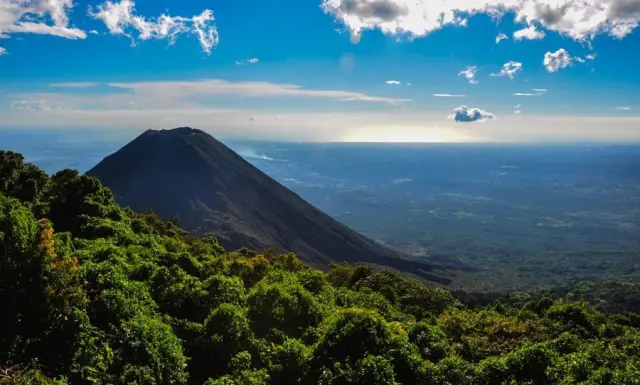
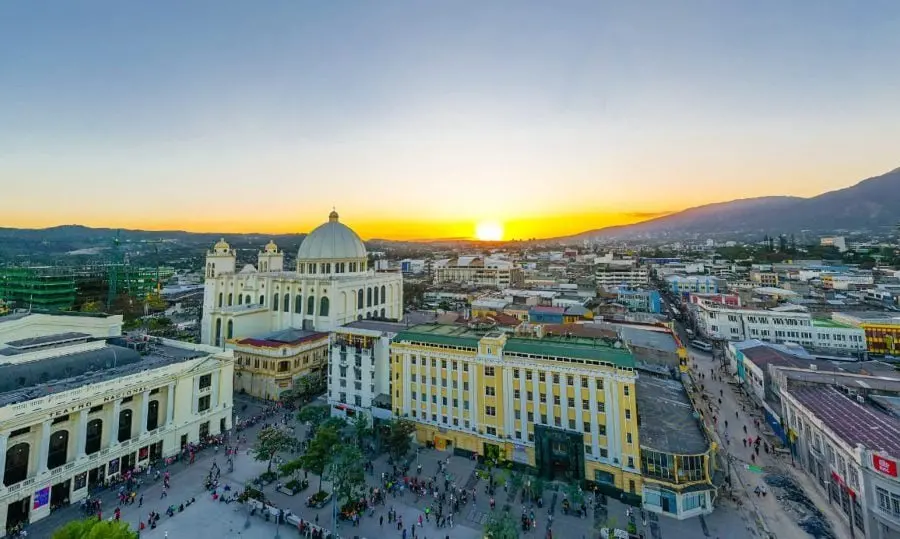
For travellers, this matters because El Salvador has moved from the "do not go" list to one of Central America's fastest-growing destinations. Surfers have led the way, drawn to points like El Tunco and the longer Pacific coast, while the capital's historic centre, the Santa Ana volcano and the colonial town of Suchitoto are firmly back on the map. The country is small enough to cover in a week, the US dollar is the official currency, and Bitcoin is legal tender alongside it.
None of this means throwing caution away: petty theft still exists, and it is sensible to follow local advice as you would anywhere. But the days of El Salvador being defined by gang violence are, statistically at least, over — and the country is busy building a tourism industry to match its new reputation.
Story based on reporting by El Salvador Info.