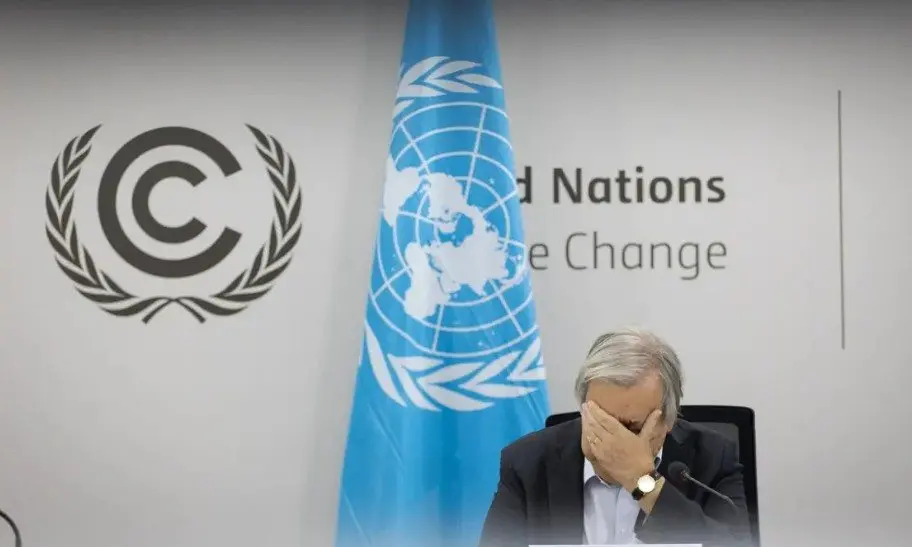
The programme for this year's UN climate summit, COP31, is taking shape in Antalya, Türkiye, and the line-up says a lot about how the world ranks its environmental priorities. Leaders will hold dedicated sessions on electrification, power grids, green industry, finance, forests, waste and methane — and even glaciers get their own high-level slot. The ocean, which covers more than 70% of the planet and absorbs over 90% of the excess heat generated by global warming, does not appear once among the 15 listed flagship events.
The critique comes off the back of another disappointing summit: the UN biodiversity meeting, COP17, which wrapped up in Yerevan with an honest admission that the world is off track for its 2030 biodiversity targets. Delegates responded with a new implementation plan, the Yerevan Pathway, plus stronger arrangements for Indigenous peoples and local communities — welcome, but short on binding commitments and money. Days later, the ocean is again missing from the agenda where it counts.
The irony is sharp for the Pacific. Australia, which co-chairs negotiations at COP31 as part of the Australia–Pacific partnership, made elevating Pacific priorities a centrepiece of its bid. A pre-COP in Fiji and Tuvalu was meant to put the region's concerns — ocean health, sovereignty, food security, cultural survival — at the heart of climate diplomacy. Yet the concrete outcomes so far lean heavily toward one Pacific Resilience Facility pledging event and support for an electrification discussion. For island nations whose very existence is tied to the sea, financing for resilience is vital, but it is not the same as political leadership on the ocean itself.
There are some working tools worth noting. The first global assessment under the Kunming–Montreal Global Biodiversity Framework recognises Sustainable Ocean Plans as a way to coordinate decisions across fisheries, conservation, tourism, offshore energy and the wider ocean economy. But frameworks need political weight to move money and policy, and the risk flagged in this analysis is a familiar one: bold commitments made in the Pacific, then quietly diluted once the real decisions are made elsewhere.
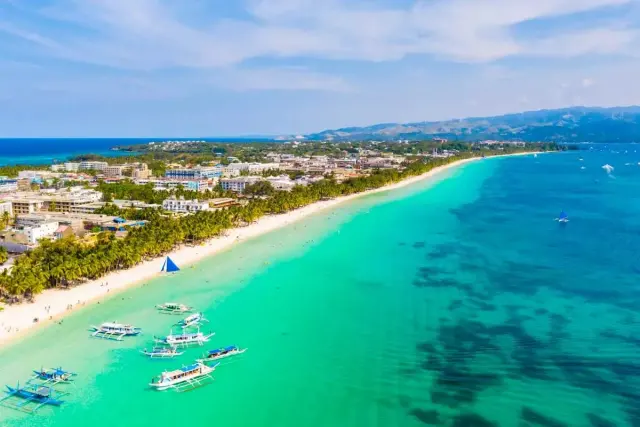
Why should a traveller care? Because the health of the ocean is the health of the destinations we love — reef diving in Fiji, beach holidays in the Pacific, coastal cities everywhere. If climate governance treats the sea as a footnote, the degradation shows up in coral bleaching, collapsing fisheries and displaced coastal communities long before it shows up in summit communiqués. Ocean-centred leadership, championed by Pacific nations who understand the sea as a living system rather than an infinite resource, would benefit tourists and locals alike. Whether COP31 gives the ocean a seat at the leaders' table will be a fair test of whether Australia's Pacific partnership was more than diplomacy.