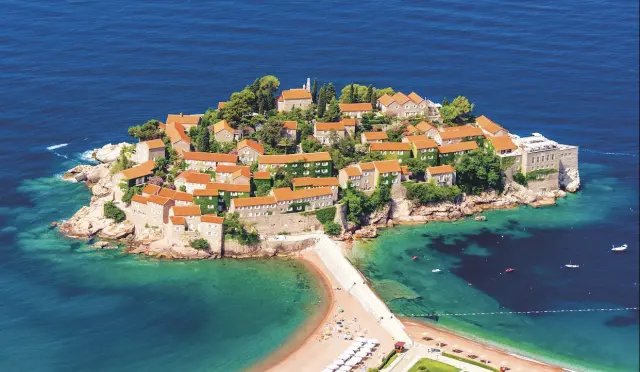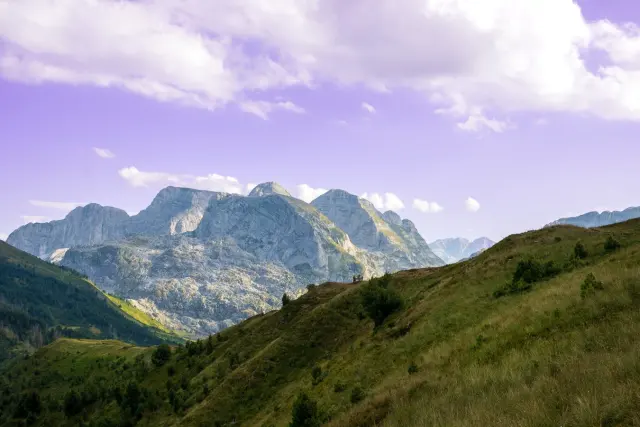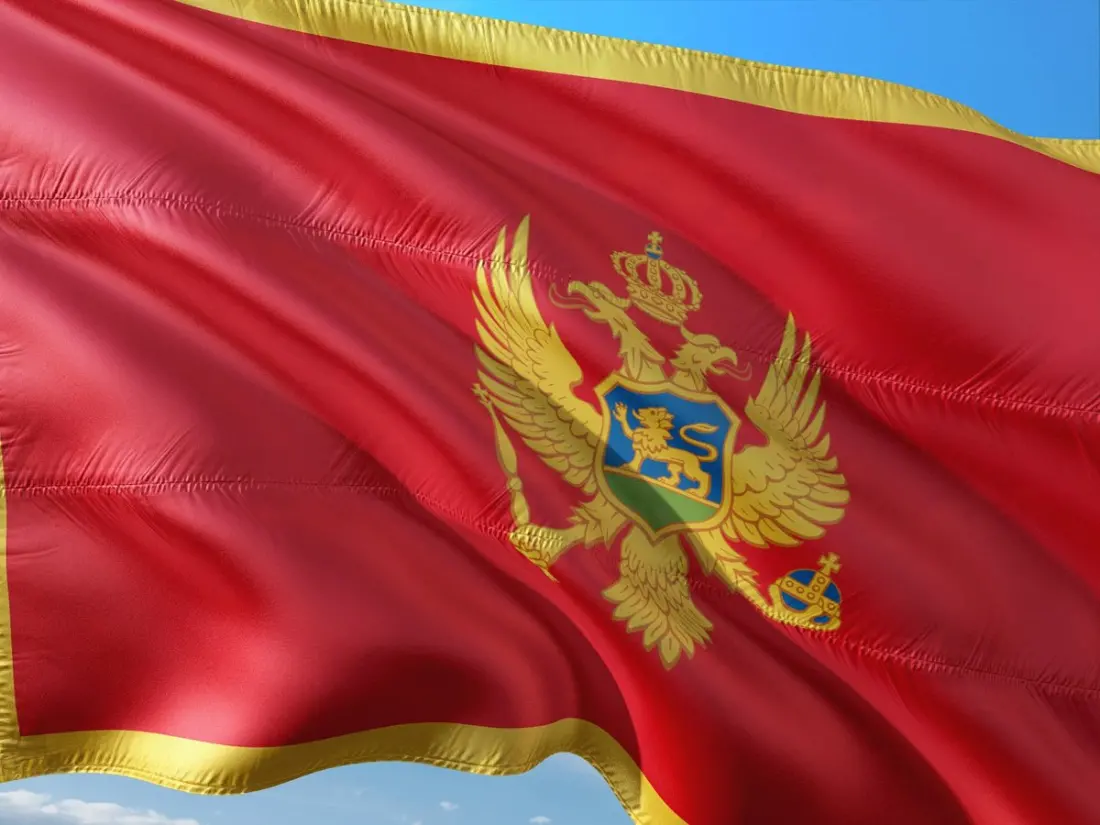
Montenegro has been the star pupil of EU enlargement, closing 21 of the 33 negotiation chapters and targeting membership by 2028. But this week Zagreb threw a very public spanner in the works, circulating a document to fellow EU member states listing eight bilateral demands it wants settled before Montenegro's accession talks can conclude.
Because every member state holds a veto over enlargement, Croatia's gripes carry real weight. It is currently blocking progress in four policy areas: transport, external relations, fundamental rights and internal affairs. Most of the disputes trace back to the break-up of Yugoslavia in the 1990s.
The most emotionally charged issue is the Morinj camp, where around 300 Croatian civilians and prisoners of war were detained and abused between October 1991 and August 1992. Croatia wants compensation for those victims, accountability extended to those in command, and guarantees that the memorial plaque at the site stays permanently visible — it was recently boxed in behind a metal structure after protests by Montenegrin nationalist groups. Zagreb is also pressing for help in locating 14 people still missing from the Homeland War.
Property is another sticking point. Croatian families had assets confiscated in the early 1990s without proper compensation, and a 2021 Montenegrin law that enabled restitution of land in a predominantly Albanian region has raised questions about unequal treatment in comparable cases. Then there is the Jadran, a training ship that has been under Montenegrin control since Yugoslavia dissolved in 1991, and a long-running land and maritime border dispute Croatia wants resolved per the rulings of the Arbitration Commission on Yugoslavia.
Interestingly, Croatia itself joined the EU in 2013 despite an unresolved border dispute with Slovenia — a precedent Podgorica may well cite. For now, Montenegro continues closing chapters where it can; it recently ticked off statistics, economic policy and employment. But Zagreb's message is blunt: it supports Montenegro's membership and wants the painful history closed, yet none of the open issues has been resolved so far.
For travellers, this is mostly background noise for now — the Croatia-Montenegro border along the Adriatic remains open and the Dubrovnik-to-Bay-of-Kotor route is one of Europe's great short road trips. But the story matters if you're watching the region: Montenegro's EU entry would eventually mean smoother travel, euro-zone-style stability and potentially Schengen-free crossings in a corner of the Adriatic that is rapidly growing in popularity. Anyone planning a Croatia-plus-Montenegro itinerary in the next couple of years should simply keep an eye on border wait times in peak season, especially around the Debeli Brijek and Karasovići crossings near Dubrovnik.