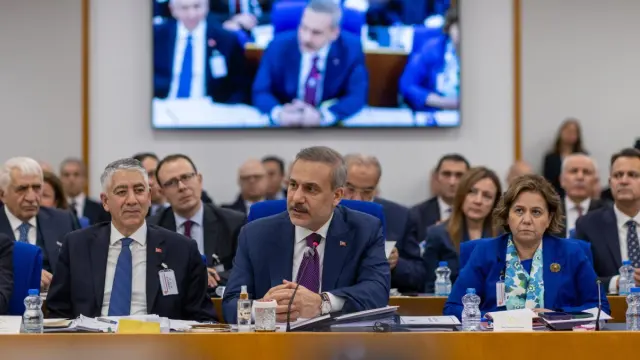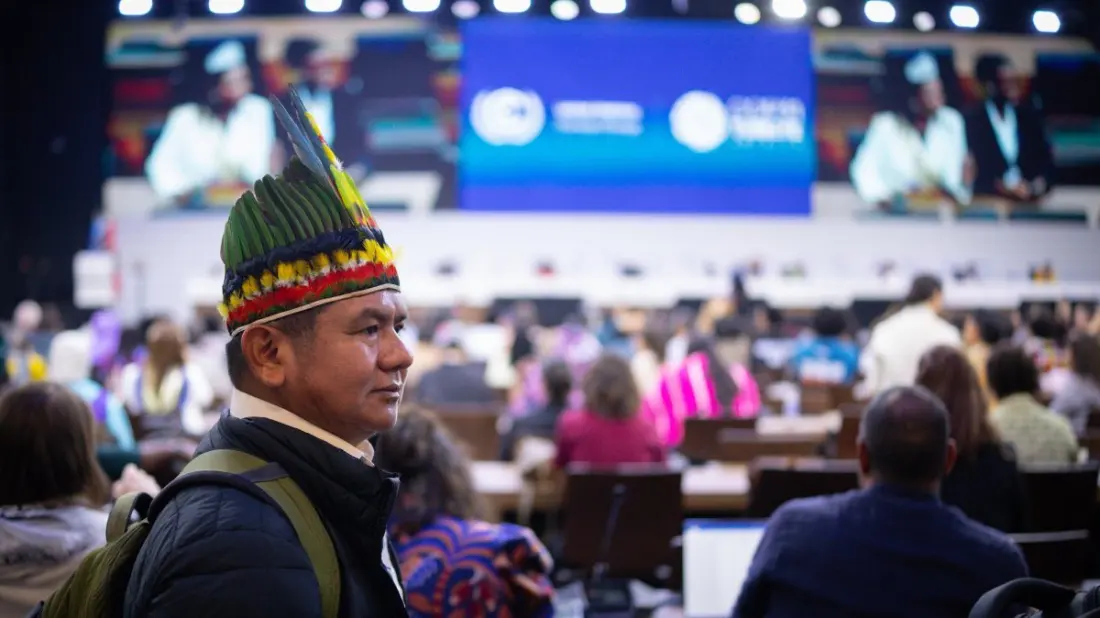
The UN climate summit COP31 has been running in Antalya, Turkey, and an opinion piece by Mehmet Emin Birpınar — professor, president of the YEKAV Green Development Foundation and a former deputy at Turkey's Ministry of Environment, Urbanization and Climate Change, published on 22 November 2026 — argues that the most consequential voices at the conference weren't the ministers on the main stage, but the farmers, Indigenous elders, women and young people circulating in the halls.
Birpınar's central point is that civil society participation has to be more than a slot on a panel. Communities affected by droughts, floods and rising seas bring local knowledge that national statistics miss, and their recommendations need to actually shape policy and funding decisions. Co-chairing a dialogue with Indigenous representatives, he noted that their demand isn't simply a hearing — they want traditional knowledge respected, rights protected, and their experience written into decisions.
Concrete examples gave the argument weight. A Nepali representative described how community forest user groups helped lift the country's forest cover from roughly 39% to 46%, even as communities endured severe floods — evidence that local management delivers, if it's resourced. Speakers also stressed that women, who often lead agricultural work and natural resource management, feel climate impacts through food production, water access and care duties, yet remain underrepresented in climate programmes and funding.
The sharpest critique was about money. 'Finance mobilised is not necessarily finance delivered,' the piece warns: complex application procedures, high borrowing costs and a bias toward large projects keep climate funds away from small local organisations that need them most. Speakers also pushed for a 'just transition' — a low-carbon shift that protects workers, households and ecosystems rather than solving one environmental problem by creating another.
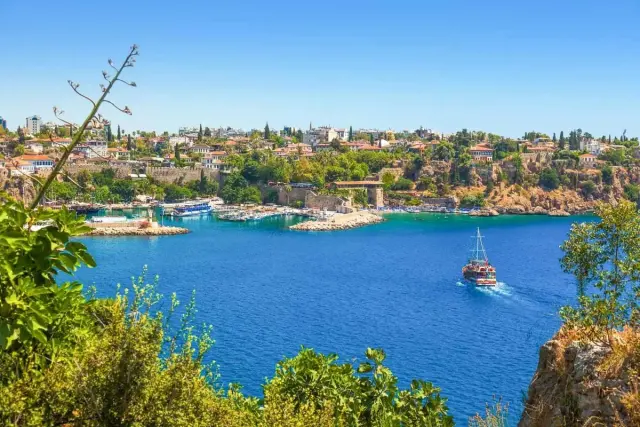
Why does this matter to travellers? Antalya is one of the Mediterranean's biggest holiday destinations, and its future — beaches, forests, water — depends directly on the kind of climate action and finance this summit debated. And Turkey's tourism heartland hosting a global climate conference is a reminder that the destinations we visit are on the front line. The author's closing benchmark is a fair one to borrow: the test isn't how many speeches were delivered in Antalya, but whether climate decisions change life there after the delegates fly home.