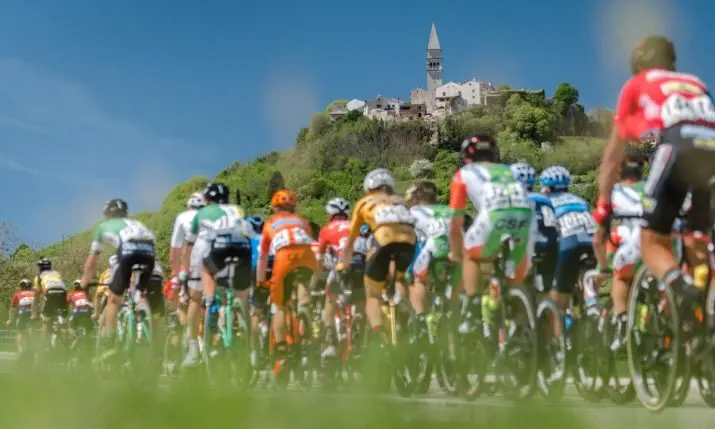
Croatia's biggest cycling event is back on the roads. The 11th edition of the CRO Race rolled out on Tuesday, 22 September, sending professional pelotons on a six-stage, near-1,000-kilometre route that starts in Split and wraps up in the capital, Zagreb, on Sunday, 27 September.
This year is a milestone for the race: it has been promoted to the UCI ProSeries for the first time, and the field reflects that step up. Organisers say 12 teams that rode this year's Tour de France are on the start list, plus other international professional squads.
The route reads like a highlights reel of western Croatia. Stage one ran from Split to Seget Donji in Dalmatia, followed by Biograd na Moru to Novalja on 23 September — a leg that takes in Pag island. From there the race moves north: Krk to Labin on 24 September, crossing from the Kvarner islands into Istria, then Pula to Rijeka as stage four. After a rest day, stage five links the inland towns of Karlovac and Sveta Nedelja on 26 September, before a short, punchy finale from Samobor into Zagreb on the 27th.
For the organisers, the race doubles as a shop window. The route deliberately strings together Dalmatian cities, islands, Istria, Kvarner and the Zagreb hinterland, and the event is broadcast to an international TV audience — free promotion for towns most viewers might otherwise never see.
There's a family side too: the Kids CRO Race programme runs virtual cycling events for young riders at stage finish locations.
If you're driving in Croatia this week rather than watching, plan around the race. Police say roads generally stay open, but traffic can be held shortly before and during the riders' passage, and on some roads oncoming vehicles may be stopped for up to 30 minutes before the race arrives. Stage one brought the heaviest disruption, with notable restrictions around Split and the Prgomet area in Split-Dalmatia County.
Why should a traveller care? Even if you never follow a bike race, the 2026 route is a ready-made itinerary. The Split-to-Zagreb arc covers Adriatic coastline, two of Croatia's most likeable islands in Pag and Krk, Istrian hill towns around Labin and Pula, and the green, low-key inland region near Karlovac and Samobor — all in one week of racing. Late September is also a sweet spot for a Croatian trip: summer crowds have thinned, the sea is still warm, and the coastal towns regain some local rhythm. If you fancy combining a holiday with a bit of roadside atmosphere, the Zagreb finish on 27 September is the easiest stage to catch, with the city centre turning into one big race-day event.
Story via Croatia Week.