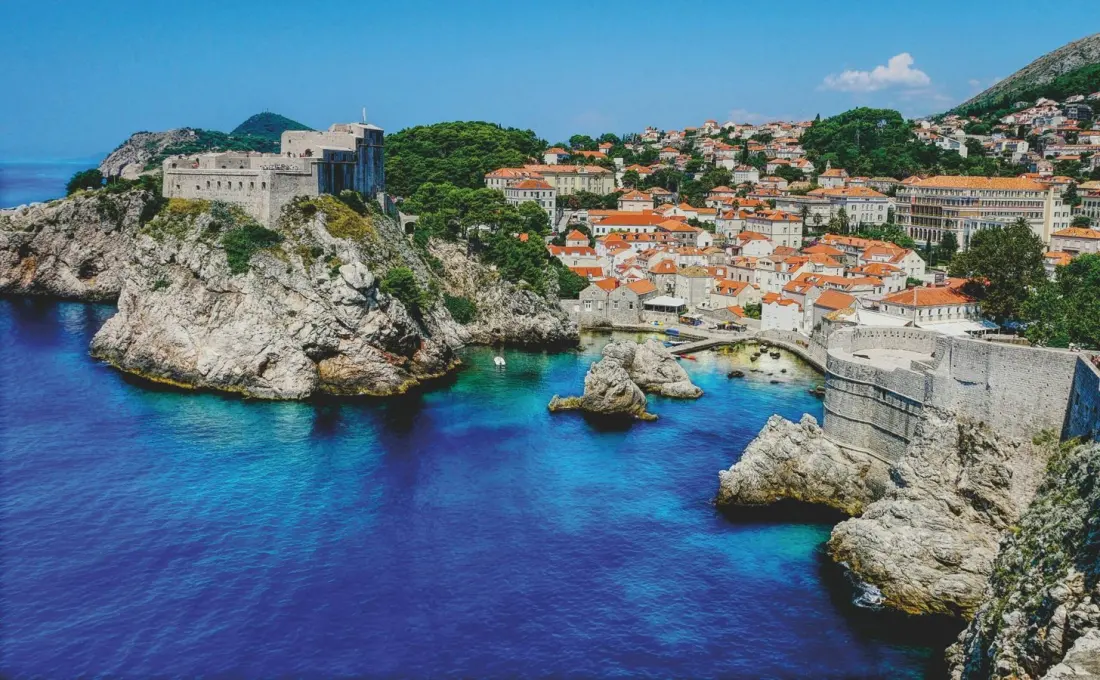
Croatia has landed 20th place in a fresh global quality of life ranking from World Population Review, scoring 181.7 points and edging just below neighbour Slovenia (19th, 182.4). That puts it ahead of the UK (22nd), Czechia (23rd), Belgium (26th), Canada (27th), Ireland (28th), France (29th), Portugal (31st) and — perhaps most surprisingly — Italy, all the way down in 40th. For a country of under four million people, that's a striking result.
Before you book a one-way ticket to Zadar, though, it's worth understanding what's actually being measured. This isn't an official economic standard-of-living index. World Population Review builds its table on Numbeo's Quality of Life Index, a crowdsourced dataset that blends eight factors: purchasing power, safety, healthcare, cost of living, house-price-to-income ratio, traffic time, pollution and climate.
It's the last few that flatter Croatia. The country scores strongly on safety, enjoys very favourable climate ratings and has relatively low pollution levels — sunny Adriatic weather doing a lot of heavy lifting. Croatia isn't out-earning France or Canada; it's simply winning on the everyday livability measures that residents and long-stay visitors actually feel.
At the top of the table sit Luxembourg (218.2), the Netherlands (216.5) and Denmark (215.1), with Oman a genuine shock in fourth, level with Denmark on points. Switzerland, Finland, Norway, Iceland, Austria and Germany round out the top ten, while Australia (11th), New Zealand (12th), Sweden (13th) and the USA (14th) lead the big anglophone economies. Estonia, Qatar, Japan, Spain, Slovenia and Croatia complete the top 20.
So what should a traveller take from this? If you're weighing Croatia against more familiar Western European picks, the data suggests daily life there is safe, clean and climatically pleasant — good news for anyone planning an extended stay, a digital-nomad stint or a slow coastal summer. Numbeo's index also tracks cost of living and property prices against income, both historically more forgiving in Croatia than in France or the UK, though prices along the Dalmatian coast have climbed sharply in recent peak seasons.
The honest read is that rankings like this one are a conversation starter, not a verdict. They aggregate resident perceptions, and a country can rank highly on sunshine and low traffic while still facing real economic pressures — which Croatian readers were quick to point out when the news broke via Poslovni. Still, for holiday purposes, the fundamentals the index measures — safety, climate, clean air, manageable crowds outside July and August — translate directly into what makes a trip enjoyable.
For anyone who has been debating between Croatia and, say, Italy or Portugal for next year's break, this is a nudge toward the Adriatic: the same sun and sea, strong safety numbers, and often better value if you time it right.