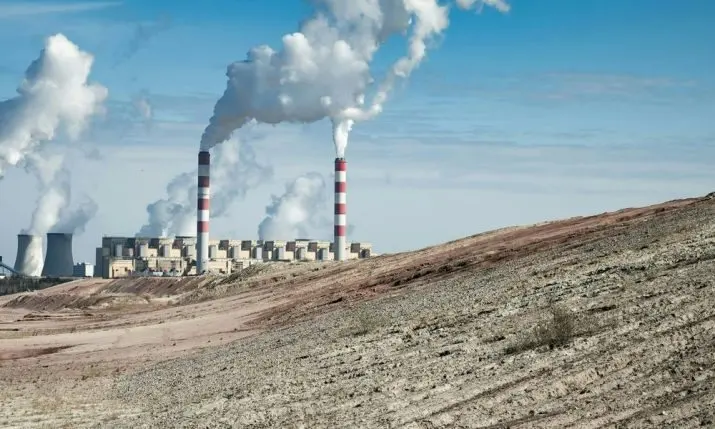
Croatia has never operated a waste-to-energy plant. That looks set to change, with state officials confirming plans for four facilities that would burn residual rubbish — the stuff left over after recycling — to generate power, and take pressure off the country's still-heavily used landfills.
The scale of the problem is easy to quantify. Back in 2014, Croatians produced 379 kilogrammes of municipal waste per person, well below the EU average of 479. A decade later the figures had nearly converged: 497 kilogrammes per capita in Croatia against 517 across the bloc, and Croatian waste volumes are now growing faster than the EU trend. Landfill has fallen sharply — from 94% of municipal waste in 2010 to 51% in 2024 — while recycling climbed from 4% to 38% over the same period. But half of everything still gets buried, and that's the gap these plants are meant to close.
The first facility is earmarked for the Bikarac Regional Waste Management Centre near Šibenik, with funding already secured for technical documentation. It would process up to 130,000 tonnes of waste-derived fuel and dried sewage sludge a year, serving four Dalmatian counties — meaning the popular Adriatic coast, from Šibenik down towards Split, sits at the heart of the project. A second, smaller plant (54,000 tonnes annually) is planned inside the Osijek cogeneration facility in the Osijek free zone, covering eastern Slavonia. Rijeka has formally asked to host a third, drawing on waste from the Marišćina, Kaštijun and Babina Gora centres, and Zagreb is expected to pursue its own project alongside private proposals, including one from C.I.O.S. in Sisak and talk of Kutina as another candidate site.
The push ties into a wider infrastructure build-out: by 2031 Croatia expects to have 11 waste management centres (five are running now, three are under construction), producing roughly 550,000 tonnes of waste-derived fuel a year — fuel that currently has nowhere to go. For context, the rest of Europe is well ahead: more than 500 waste-to-energy plants operate across the EU and wider Europe, including 116 in France, 92 in Germany, 37 in Sweden and 36 in Italy. Croatia currently shares company with Bulgaria, Cyprus and Malta as one of the few countries without any.
Don't expect a quick fix, though. Experts quoted at the round-table estimate eight to ten years between a build decision and a plant actually operating. None of the four planned facilities would handle hazardous waste, and proponents argue the technology complements rather than replaces recycling — high-recycling countries like Germany and Sweden run large plant networks too. For travellers, the practical takeaway is modest but real: Croatia's most-visited coastline is where the first plant is slated, and managing the waste generated by a booming tourist season is precisely the sort of pressure this infrastructure is designed to absorb.