Croatia's inflation numbers for October 2026 tell a split story that matters to anyone planning a trip there. Fresh data from the Croatian Bureau of Statistics shows food and non-alcoholic beverage prices actually slipped by 0.4% compared with October last year, and dipped another 0.1% between September and October. Non-food industrial goods, excluding energy, also edged down 1.1% year-on-year.
The catch: nearly everything a visitor touches day-to-day got pricier. Overall consumer prices climbed 4.9% year-on-year. Transport costs jumped 17.3%, one of the steepest rises recorded — that hits car hire, fuel and getting around the coast. Housing-related costs including water, electricity and gas rose 11.7%, and restaurant and accommodation services — the two categories holidaymakers feel most directly — were up 5.9%.
Energy is the outlier driving much of the pressure, with prices surging 20.8% over the year. The statistics office notes that Croatian households are still dealing with elevated living costs overall, and inflation remains a live economic issue in the country.
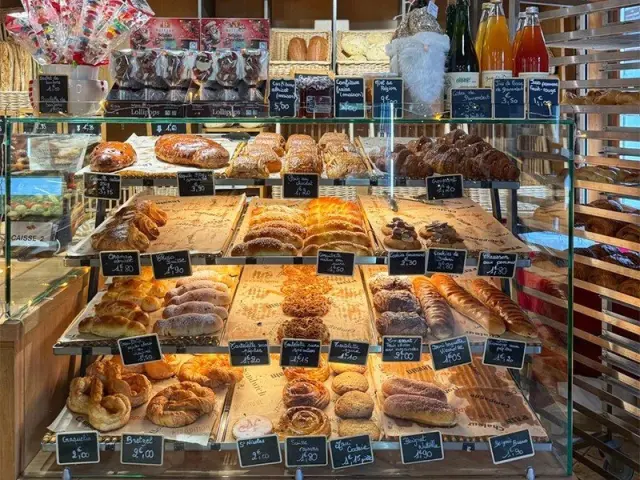
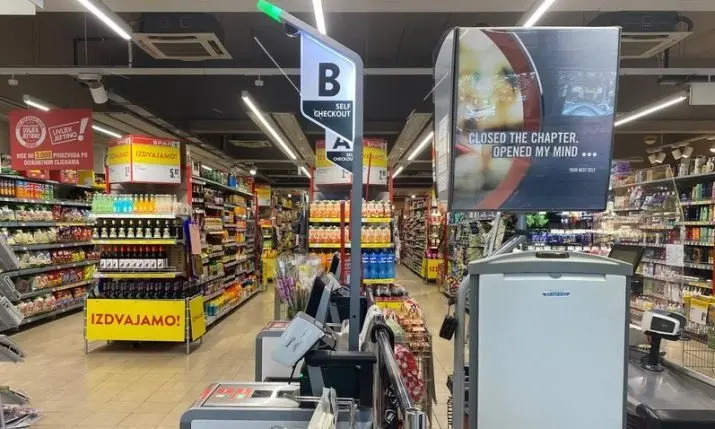
For travellers, the practical read is mixed but manageable. Self-catering looks relatively attractive right now: supermarket prices are flat to slightly down, so apartments with kitchens — plentiful along the Dalmatian coast — could stretch a budget further than usual. Eating out and sleeping in hotels will cost a bit more than last autumn, but a 5.9% rise is a modest bump rather than a shock. The bigger budget line to watch is transport: with costs up more than 17%, that rental car or taxi-heavy itinerary deserves a second look. Buses, ferries and any booking made early will help absorb the increase.
In short, Croatia isn't becoming a budget-buster, but the composition of costs is shifting. Groceries are the quiet win; getting around is where the money leaks. Worth factoring in before you lock in autumn plans.