Croatian property sellers have knocked a combined €42 million off their asking prices in just 100 days, according to an analysis of more than 25,000 tracked listings by the property portal Kvadratko. For anyone eyeing an apartment on the Adriatic or a holiday home inland, the numbers offer a rare look at how flexible the market actually is.
The headline figure comes with caveats. Only 4.1% of tracked listings saw a price cut over the period, while 1.7% went up and roughly 94% didn't budge. But when sellers did move, they moved meaningfully: the typical reduction was 7.5%, or about €20,000. Half of all cuts fell between 4.3% and 11.8%, and drops of 20% or more were rare — around one in ten reduced listings. Notably, almost one in ten reduced listings had been cut at least twice, so a first reduction isn't always the last.
Property type matters. Houses saw the biggest typical euro cut at €35,400 (8.5%), apartments a smaller €16,000 (6.1%), and land — though least often discounted at 2.9% of listings — had the steepest typical percentage cut at 12.6%. Rental apartments were the most likely to be reduced: 9.2% of tracked rentals dropped their price, typically by 11.1%.
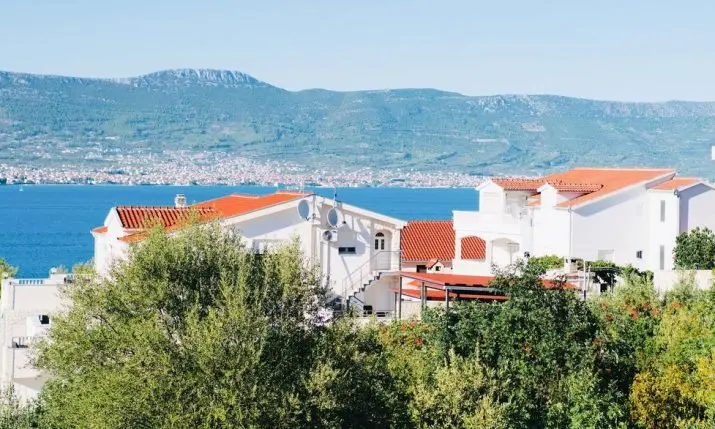
Geography shifts the picture too. The City of Zagreb led on the share of reductions (7.6% of listings), followed by Zagreb County at 6.6%. In euro terms, coastal Zadar and Split-Dalmatia recorded some of the largest typical cuts, at €30,000 and €32,500. Istria, which dominates the portal's listings at around 45% of the sample, saw only 3.3% reduced — a sign demand there remains firm. Timing-wise, sellers typically made their first price change after about three weeks on the market, with cuts landing around day 25 and increases much sooner, at 16 days.
One further wrinkle: of apartments listed for sale over the summer, 38% were later removed from the portal — but about a fifth of those appear to have been quietly reposted with fresh dates after a photo-matching review. After accounting for relistings, up to 29% of sale apartments and 58% of rentals were genuinely off the site, though whether that means sold, rented or simply advertised elsewhere isn't clear.
Why should travellers care? If you've been priced out of an Istrian stone house or a Split apartment, patience may pay: cuts of 5–12% are real but modest, so the dream of a bargain crash isn't supported by the data. Context matters too — Croatia estimates a national shortfall of 237,000 homes, and in Istria, Zadar and Primorje-Gorski Kotar, between a quarter and a third of housing stock is tied up in tourist rentals, which keeps pressure on supply in exactly the places holiday buyers want.
Keep in mind these are asking prices, not final sale prices — but for buyers tracking a specific listing, a seller's first cut usually comes about three weeks in.