A roundup of recent animal attacks in Indonesia, India and Japan shows a pattern that has little to do with careless tourists. The victims are overwhelmingly local people who live and work alongside wildlife — and as settlements push deeper into animal habitat, the collisions keep multiplying.
In Indonesia, 24-year-old Selviana Ambu Kaka was taken by a crocodile while washing clothes in the Bondo Kodi River on Sumba island. Witnesses saw the animal grab her leg and drag her under; villagers from Southwest Sumba netted the river, killed a 4.9-metre crocodile matching their descriptions, and found her remains 30 metres from the attack site on October 24. Indonesia records more saltwater crocodile attacks than any other country, a toll driven largely by habitat destruction — which puts conservationists in the awkward position of asking locals to protect the predators that hurt them.
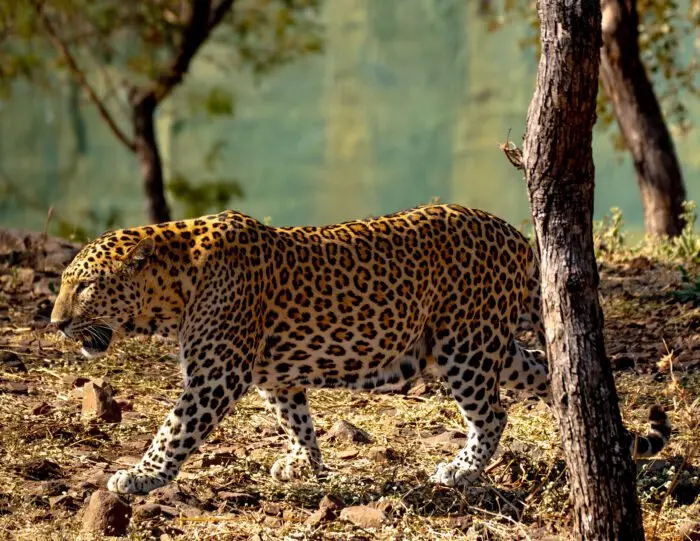
India had a brutal stretch. A 65-year-old farm labourer was killed by a leopard in Maharashtra on November 1, less than a month after another fatal leopard attack in the same area; residents are demanding cage traps and cameras, and threatening protests, because fear keeps farmers out of their fields. In Uttar Pradesh, a sugarcane farmer fought off a leopard and escaped with serious injuries, while in central India's Shahdol district a 15-year-old girl was dragged from the veranda of her home at night, her body found 300 metres away. Elephants were involved too: a woman gathering mushrooms in Uttarakhand was killed in one of the state's elephant corridors, and in Chhattisgarh a motorcyclist died when an elephant — possibly a local animal nicknamed Kabra Kaan with a history of incidents — charged his bike on the road.
Japan's bear problem has been building for years, as shrinking farmland removes the buffer between towns and forests, and the government has resorted to contested culls. The strangest recent episode, though, wasn't an attack at all: on the night of October 30, an express train on Hokkaido's Soya Line struck a large brown bear, trapping the body and derailing the wheels. None of the 32 passengers or crew were hurt, but fearing more bears nearby, officials kept everyone aboard overnight. The operator says it was the first bear-collision derailment in nearly 40 years of running the line.
Why should travellers care? Because these stories map the real edges of wildlife country. If you're heading to rural Indonesia, India's tiger and leopard states, or Japan's northern island, the risk to visitors is small — but the smarter habits are the same ones locals are being urged to follow: never work or walk alone at dawn or dusk near cover, keep clear of riverbanks where crocodiles live, avoid known elephant corridors on foot or by bike, and take local warnings seriously. Hokkaido's bear country now demands extra caution too, even on the train lines.
These aren't safari mishaps or selfie stunts. They're the daily arithmetic of people sharing shrinking habitat with powerful animals — and a useful reality check for anyone tempted to treat wild Asia as a backdrop rather than a home.