The Aussie dollar is buying more abroad than it did a year ago in ten key holiday markets, and Indonesia tops the table for raw spending power. On RBA rates from 5 November 2026, A$1 fetches Rp12,694 in Bali — within reach of the highest level recorded since 2003. With Indonesian inflation running at just 3.2 per cent, holiday money stretches roughly 13 per cent further than last November. Even Bali's Rp150,000 tourist levy now works out to about A$12, though officials only accept payment through the official Love Bali site.
The surprise runner-up is Taiwan, where A$1 buys NT$23.11 — the strongest rate since February 2018. With prices up only 2.7 per cent, nearly all of that currency gain reaches your wallet. A Taipei 101 observatory ticket costs about A$26, down from A$30 a year ago.
India and Japan follow with roughly 9 per cent more spending power each. The Taj Mahal's foreigner ticket sits near A$20, while a seven-day Japan Rail Pass is about A$451 — some A$50 cheaper than last year. Japan is closing in on one million Australian visitors annually, according to the Australian Travel Industry Association. The Philippines, Thailand, Italy, New Zealand, the US and Canada round out the list, with New Zealand offering a tidy bonus: Australians are exempt from its NZ$100 visitor levy, so the currency gain lands directly in the holiday budget.
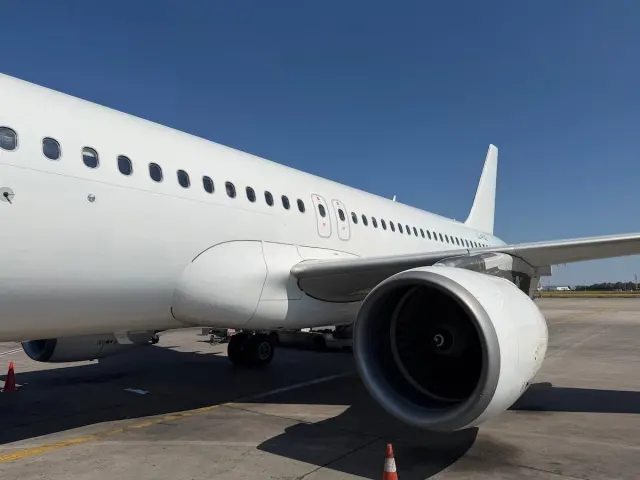
There's a catch, though, and it's at the airport. Jet fuel sits at roughly double its November 2025 level, and while average one-way international economy fares from Australia actually fell 7 per cent between early 2023 and early 2026 to $915, the flight still eats much of the currency win on long-haul routes. That may explain ABS figures showing UK trips down 14.3 per cent and Italy down 4.6 per cent in August, even as the dollar strengthened against both currencies. Meanwhile Vietnam, a short-haul option with only a modest currency gain, saw trips leap 30 per cent.
Airlines are reshaping rather than simply restoring capacity: Qatar Airways has swapped its Sydney A380 for a smaller 777-300ER, and Emirates has delayed a third daily Melbourne service to March 2027. On the bright side, Qatar is adding Sydney, Melbourne and a daily Melbourne–Canberra service from 9 December, with Western Sydney flights to follow in December 2027.
For travellers, the takeaway is simple: short-haul Asia is where the maths works best right now. Bali, Taipei, Tokyo and Manila all deliver double-digit currency gains with low local inflation, and the shorter flight means less of the benefit vanishes into the airfare. Cost-of-living pressure is real — 88 per cent of Australians told Rion's 2026 Holiday Barometer that high prices dampen their travel enthusiasm — but the share not planning a trip held steady at 39 per cent, so most people are adjusting rather than staying home.
Karryon