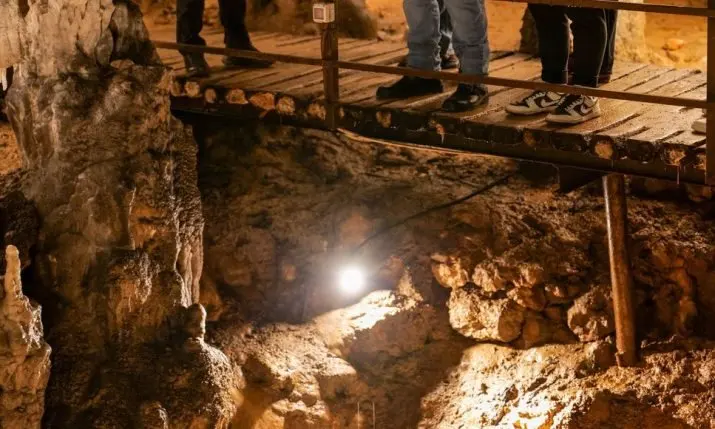
High on Croatia's Velebit range, at nearly 700 metres above sea level, a small cave is quietly rewriting the timeline of human life in the eastern Adriatic. Vaganačka Cave, the focus of an ongoing excavation, has already yielded layers estimated at around 10,000 years old — and archaeologists suspect there may be even older traces beneath.
A six-member team is working the site under the PraDalmacija project, led by researchers from the University of Zadar. Their findings so far show the cave was used more or less continuously from the Mesolithic era until roughly 3,000 years ago, a span covering the shift from hunter-gatherer life to farming and metalworking.
Recent discoveries include Bronze Age pottery and part of a grinding stone used to process grain. Archaeology student Leo Arbutina explained that prehistoric people deliberately chose stones with the right texture, then shaped them for a comfortable grip — small details that reveal real practical skill. The grinding stone's exact age is still being determined.
One of the most striking features is visible right on the cave walls: distinctive black and white layering made of burnt animal dung that built up over thousands of years. It points to a time when people and their domesticated animals shared the same shelter, offering a rare window into prehistoric living conditions in Croatia's mountain interior.
The team is now digging deeper to reach the oldest known layers again and check for anything older still. If they succeed, Vaganačka could produce evidence of Palaeolithic — Old Stone Age — occupation, pushing human presence in this part of Velebit back even further than 10,000 years. Senior assistant Maja Grgurić Srzentić of Zadar's Department of Archaeology says further excavation and analysis will be needed before anyone can confirm that.
For travellers, this is a good reason to look beyond Croatia's coast. Velebit is the country's longest mountain range, a protected landscape of karst peaks and caves that most visitors drive past on the way to the Adriatic. News like this underlines that the Dalmatian hinterland has a deep, layered human story of its own — one you can stand inside, literally, with the right guide. Anyone hiking in Paklenica or the northern Velebit parks may find that the mountains feel a lot more alive knowing people sheltered here ten millennia ago.