Cuenca's city-run funeral company has quietly become the go-to place for saying goodbye to a pet. EMUCE, the municipal agency that runs cemeteries, wake halls and funeral services, is handling roughly three pet cremations a week, according to manager Luis Peñafiel, and demand is strong enough that the company is planning expansion.
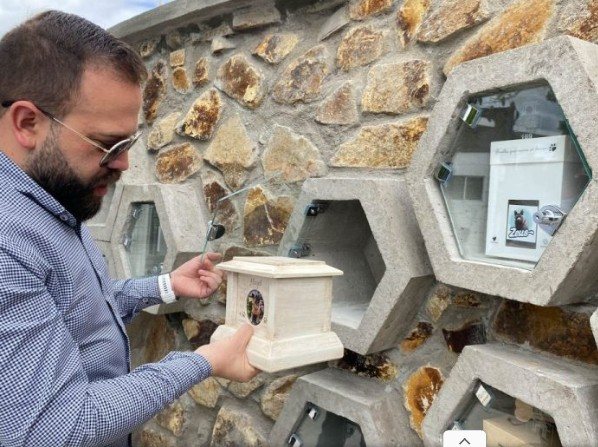
The pricing is straightforward: cremation starts at $100 for animals up to 10 kilos, plus $4 for each extra kilo — which means even a 140-pound St. Bernard is manageable. The process is quick by funeral-industry standards, with two independent crematoriums returning a pet's ashes within about two hours. Families can be present during the cremation if they wish, and owners who can't face the drive can ask EMUCE to collect the pet from home, with pickup fees varying by distance and whether the address is urban or rural. For those who want a permanent resting place, a memorial area is being built: a perpetual niche costs $450 with a $20 annual maintenance fee, and the first phase of 173 niches will be followed by three more phases at the back of the cemetery given the demand. Services can be booked directly at EMUCE offices.
Also making news in Azuay province: the provincial government has launched a precision-agriculture pilot using specialised drones. One setup pairs satellite positioning with multispectral sensors to map crop health and flag trouble spots; a second drone sprays liquid fertilisers and pest-control products with controlled altitude, speed and dosage. The practical effect is less time in the field and more efficient use of inputs — a reminder that farming in the region around Cuenca is more technology-driven, and more chemically managed, than the idyllic organic image many visitors carry.
Less charming is the corruption investigation making headlines. Ecuador's Prosecutor's Office is probing two people for embezzlement linked to a alleged 'troll center' funded with City of Cuenca money. According to investigators, a digital operations centre in the Centro Histórico ran from December 2025, creating fake pages and profiles to boost suspended mayor Cristian Zamora and harass citizens. Prosecutors have identified two suspected funding routes: municipal service contracts paying $2,000 a month (about $14,000 disbursed between December 2025 and May 2026), and inflated invoices routed through a digital media outlet to advertisers working with four municipal entities. Evidence gathered includes seized phones and computer forensics from a June 2026 raid.
Why does this matter to anyone eyeing Cuenca? The city has a large foreign resident and long-stay visitor population, many of whom travel with pets, and the EMUCE service fills a real gap — previously you'd have depended on private vets. It's also a snapshot of a mid-size Andean city modernising fast, from drone-sprayed fields to the very public reckoning over misuse of public funds.