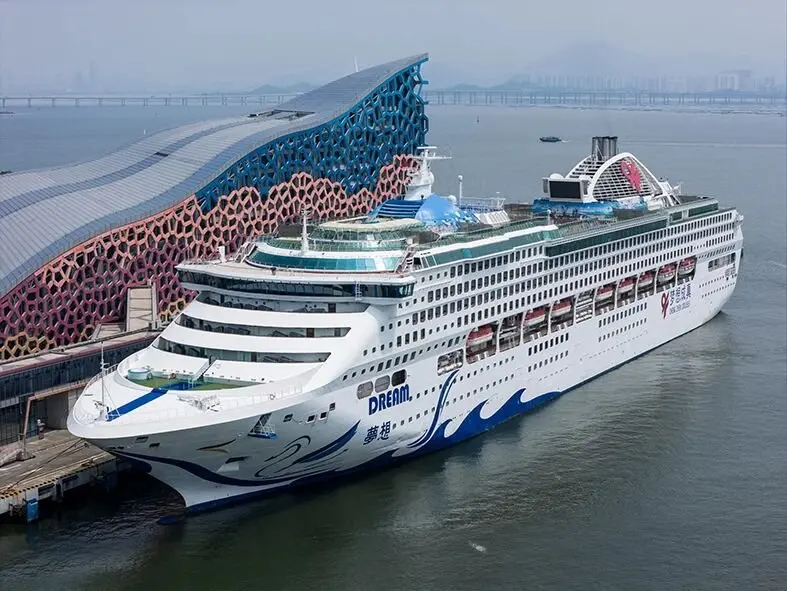
Shenzhen has joined China's small club of ports offering "cruises to nowhere" — sailings that head offshore and return without visiting another country. On October 30, the ship Dream left Shenzhen Port on a two-night pilot voyage, fully booked, making the city the third Chinese port to run this format after Shanghai and Tianjin, and the first in the south.
The pilot operates under guidelines from the Ministry of Transport and the Ministry of Culture and Tourism, so it's an officially sanctioned scheme rather than a one-off novelty. That matters for mainland travellers: you don't need a passport. Instead, a single-entry exit-entry permit can be arranged at the Nanshan district public security entry-exit office using just a national ID card, which opens the cruise experience to a huge domestic audience that has never held travel documents.
Getting on board was smoother than usual too. At the Shekou Cruise Home Port terminal, embarkation ran more than 30 percent faster thanks to border inspectors working from pre-declared passenger data through a single-window system, extra clearance lanes and digital identity checks. For anyone who has queued through a Chinese port formalities process before, that's a noticeable upgrade.
Behind the scenes, the Shekou Maritime Safety Administration ran a "one ship, one plan" protocol: the Dream was tracked via AIS, CCTV and vessel traffic services, patrol boats and drones were deployed, and customs and immigration teams carried out joint inspections. Weather data from 16 coastal observation stations fed into real-time monitoring of the voyage.
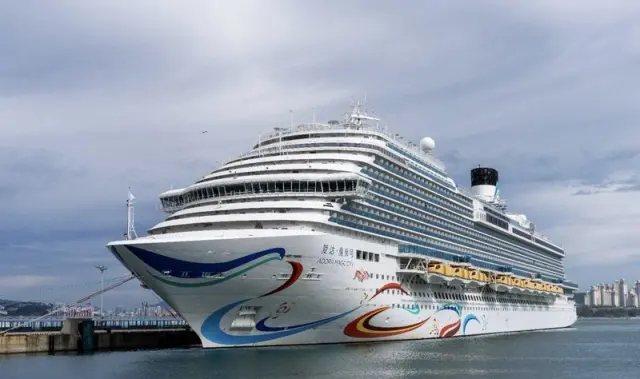
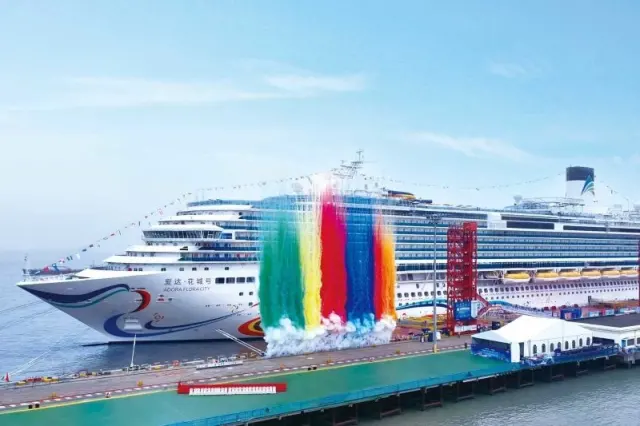
The bigger picture is that southern China wants in on cruise tourism in a serious way. Guangzhou is working on its own no-destination pilot, and Guangdong province handled 34 cruise calls and 138,600 passengers in the first ten months of 2026 — with the new Adora Flora set to debut in the region soon.
Why should international travellers care? If you're based in or visiting the Pearl River Delta, a fully catered two-night cruise out of Shenzhen is a low-effort way to sample shipboard life — pools, dining, entertainment — without committing to a longer itinerary or arranging international visas. It's also a useful signal of where Chinese cruising is heading: faster terminals, more homeport options and increasing capacity. For now, the product is clearly aimed at domestic tourists, but as ports like Shenzhen, Guangzhou and Shanghai expand their cruise infrastructure, expect more routes and ships serving the region, including options that foreign visitors can tap into with standard travel documents.
If the format expands as authorities suggest, no-destination cruises could become a regular weekend option in southern China — a taster sailing for first-timers and a cheap getaway for locals, launched from one of the country's most accessible transport hubs.