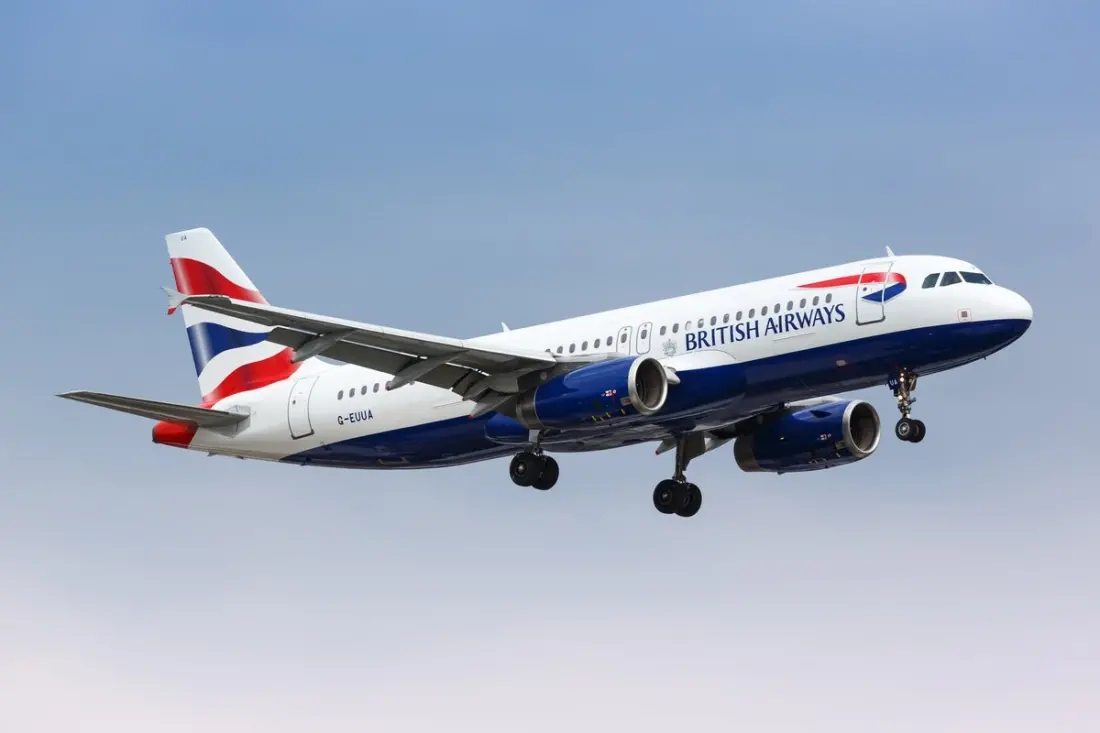
A British Airways flight from Larnaca to London learned the hard way that Heathrow has a bedtime. Flight BA707, delayed more than three hours in Cyprus on 19 October because of a technical issue, finally departed at 9.45pm local time for the four-and-a-half-hour hop home. The problem: it would arrive long after Heathrow's last scheduled arrival slot, so the Airbus A320 diverted to Gatwick instead, touching down just after midnight.
The crew evidently knew before entering UK airspace — flight-tracking data shows the plane flew straight to Gatwick rather than queuing over London hoping for permission to land. Heathrow confirmed it "elected" to route the flight to Gatwick, while BA apologised and said its teams arranged onward transport for passengers.
Why does this happen? Heathrow isn't formally banned from flying at night, but government restrictions dating back to the 1960s strictly limit it. The airport can log only 5,800 take-offs and landings between 11.30pm and 6am each year, and a separate noise quota caps how much disturbance it can generate overnight. In practice, Heathrow doesn't schedule departures between 10.40pm and 6am, or arrivals between 10.55pm and 5.05am.
There are exceptions. Airlines can apply for late-night permission on a case-by-case basis, explaining the cause of the delay, and the airport weighs the impact on residents, passengers and the wider network before deciding. Extra night flights are also allowed during severe weather, emergencies or traffic congestion. But with the Larnaca delay caused by a fixable fault and the arrival time well outside the window, BA707 didn't make the cut.
For travellers, the lesson is practical rather than alarming. If your evening flight out of Europe or the eastern Mediterranean picks up a technical delay of a few hours, there's a real chance your London arrival could get switched to Gatwick — a different airport with different train links into the city. BA did get people on their way the same night, but it's worth knowing your backup arrival airport and how you'd get home from it before you fly.
It's also a reminder of how tightly run Heathrow is overnight. Global long-haul timetables mean the airport can't simply shut down, but the quotas and voluntary early-morning rules (arrivals scheduled after 4.30am can't land before then) keep the noise down — at the occasional cost of an unplanned detour down the M23.