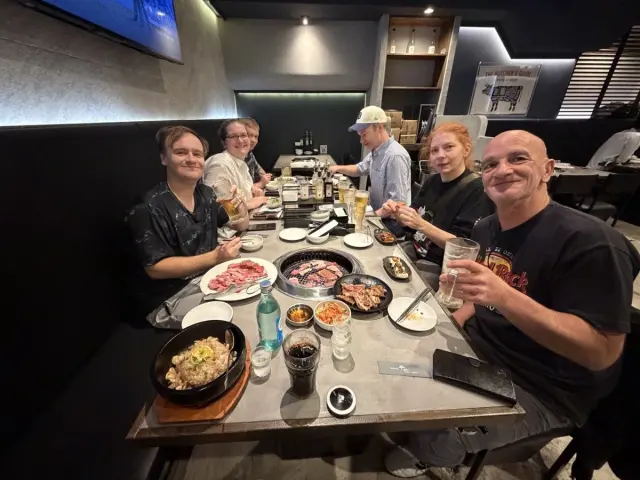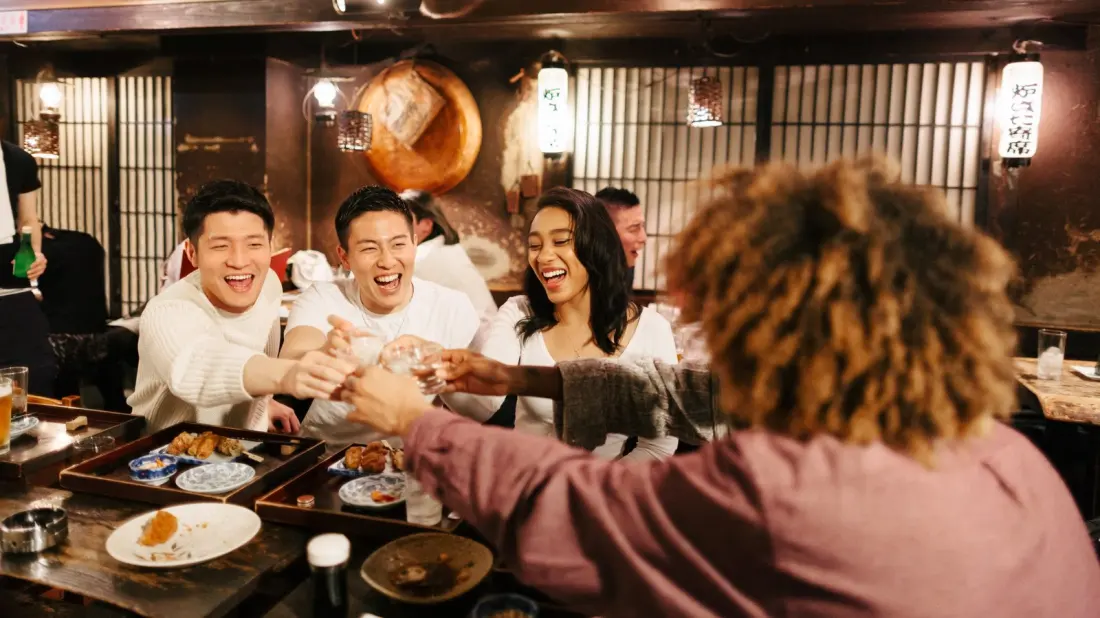
Sooner or later on any Japan trip comes the evening when Michelin tasting menus and three-hour food tours lose their appeal. What you want is a cold beer, some small plates and no fuss. Enter the izakaya: part pub, part restaurant, loudly convivial, and on practically every corner in Tokyo and Osaka. They look casual from the street, but first-timers keep tripping over a handful of unwritten rules worth knowing before you pull up a stool.
First, the mystery dish. Almost as soon as you sit down, a small plate arrives unbidden — edamame, pickles, tofu, maybe a bowl of miso soup. It's called otoshi, and it isn't a freebie: it lands on your bill at the end of the night, usually around $2 to $4 per person, a bit more at swankier places. The custom traces back to the Edo period, when sake shop owners fed snacks to drinking regulars. These days some venues just call it a table or cover charge to avoid baffling tourists. Given that tipping isn't a thing in Japan, it's a mild cost compared with a US gratuity.
Second, everyone orders. When the server brings the otoshi, menus and hot hand towels (oshibori), they'll take your drink order immediately — beer is the classic opener, followed by highballs and sours as the meal rolls on. Expect every person to order at least one drink and usually one dish, since plates are shared around the table. Flag staff with a polite "sumimasen", or use the ordering tablets at larger chains. Dishes arrive whenever they're ready, not in courses. A few manners matter too: don't wipe your face with the hand towel, and don't dig into shared dishes with chopsticks you've already eaten from — use the serving utensil or the clean ends, transferring food to your personal torizara plate.
Third, don't assume it's smoke-free. Japan's 2020 indoor smoking ban left an exemption for small pre-existing bars and restaurants, and small izakayas fit the bill. Rules vary by city: Tokyo requires signage showing smoking policy, while in Osaka venues with seating of 30 square metres or less can still allow it. If smoke bothers you, check the sign at the door.
Finally, carry cash. Japan's cashless adoption hit 58% of spending in 2025, up from 52.8% the year before, and big izakaya chains take cards — but plenty of small neighbourhood spots still don't. Konbini ATMs are everywhere; just watch the foreign transaction fees. Bills are tallied per table on a paper slip you bring to the register by the door, and groups typically split evenly. Want to pay only for your own order? Say "betsu-betsu de". Then close with "gochisosama deshita" — though after one good night, you'll almost certainly be back.