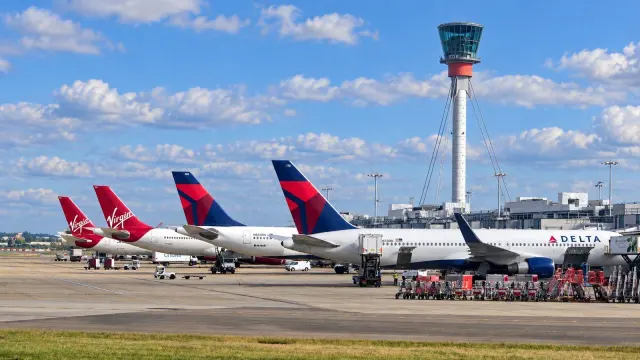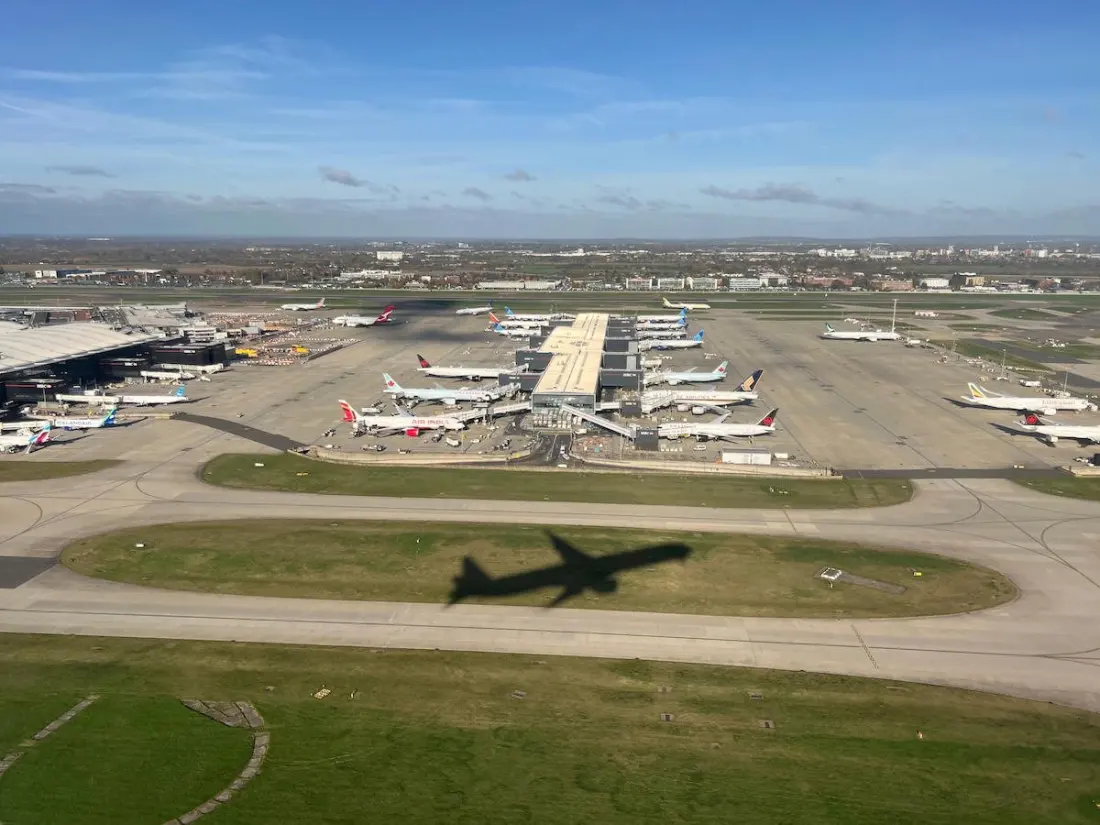
London Heathrow has finished its once-a-decade terminal occupancy review, and from 2028 five airlines will be operating from different terminals than the ones travellers know today. The headline change? Delta is being moved out of Terminal 3 and sent to Terminal 4, splitting it from its joint venture partner Virgin Atlantic after more than a decade of sharing space.
The full line-up of moves is fairly short. Delta, Finnair and Japan Airlines all shift from Terminal 3 to Terminal 4. China Southern moves in the opposite direction, from Terminal 4 into Terminal 5, where it will sit alongside its joint venture partner British Airways. LATAM relocates from Terminal 3 to Terminal 2. Together these five carriers carry close to two million passengers a year — under 4% of Heathrow's total traffic, but a big deal if you're flying one of them.
Heathrow runs these reviews roughly every ten years to match terminal capacity with demand and keep the airport running smoothly. The airport is heavily constrained — not by terminal space, but by limits on takeoffs and landings, with any third runway still years away from reality at best. Terminal 3, the airport's second busiest, has become congested at peak times, so the review's main effect is to push airlines out of it.
For passengers, the winners and losers are easy to spot. China Southern customers get a genuine upgrade by joining British Airways at Terminal 5, home to the airport's best facilities. LATAM's move to Terminal 2, the Star Alliance hub, is low-drama given its modest footprint at Heathrow. Finnair and Japan Airlines lose access to Terminal 3's strong collection of oneworld lounges, and Terminal 4's lounge offering is noticeably weaker — bad news for premium cabin travellers.
The real friction point is Delta. Losing Terminal 3 means losing access to Virgin Atlantic's much-loved Clubhouse lounge, and connections between the two airlines' flights become clunkier when they're in different buildings. Virgin Atlantic's chief executive Corneel Koster has criticised the decision publicly, arguing it creates friction for customers, weakens competition and plays into British Airways' dominance at the airport — since BA gains a co-located partner while its closest rival loses one. Delta and Virgin Atlantic are expected to push back hard before the 2028 implementation.
If you're booking a transatlantic trip on Delta or Virgin Atlantic, or heading to Asia on Finnair or Japan Airlines, check which terminal your flight uses before 2028 — and double-check again after the switch, since airport guidebooks and older booking confirmations will be out of date. Allow extra transfer time if connecting between a Virgin Atlantic flight and a Delta one once the split takes effect.