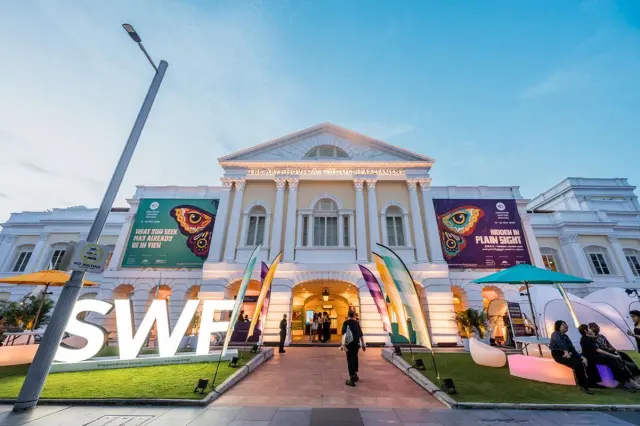
Delta Air Lines has summoned media and guests to a 'Delta Night Market' at Seattle's Museum of Pop Culture on December 2, from 6 to 9 p.m. The invitation promises food, drinks, shopping, city-inspired collectible charms and the teasing line 'Seven destinations. One unforgettable night.' All signs point to one thing: nonstop flights between Seattle and Singapore.
The maths checks out. Delta's current and announced East and Southeast Asian cities are Tokyo, Seoul, Shanghai, Taipei, Hong Kong and Manila — six cities, or seven airports if you count both Narita and Haneda. Count cities and Singapore slots in neatly as number seven. Aviation watchers JonNYC and Enilria have both corroborated the Singapore angle, and there's a paper trail too: a July 29 Delta presentation to a Pacific air traffic coordination group stated plainly that 'new markets announced for 2027 are Manila and Singapore.'
This has been a slow build. Delta last served Singapore in September 2019, via Tokyo Narita, before dismantling the old Northwest-era Pacific hub and leaning on partner Korean Air's Seoul operation. Word of a return first surfaced in late 2025, and in August Delta told its biggest corporate customers that Singapore would follow Manila — a Los Angeles–Manila route launching March 28, 2027, three times weekly and daily from June 7.
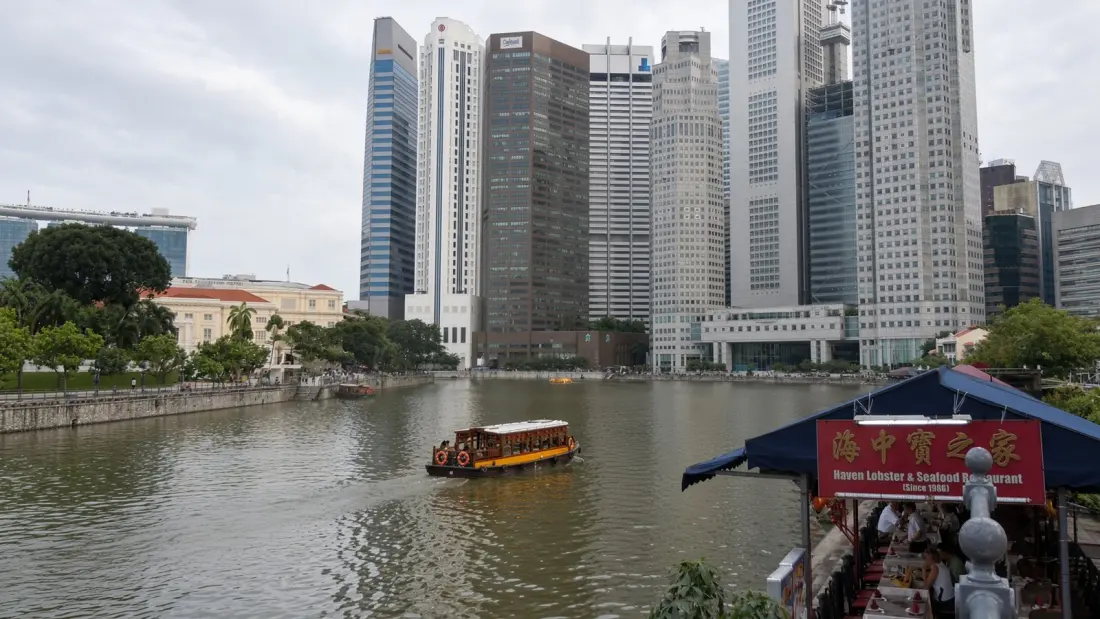
Why Singapore, and why nonstop from Seattle? The city-state has overtaken Hong Kong as the region's corporate hub, housing several times as many multinational headquarters, plus finance and tech money — a market Delta desperately wants to sell direct to business travellers rather than funnel through Seoul. Seattle is also a shorter hop than Los Angeles, which helps on fuel and payload for one of the world's longest flights. The route also puts Delta head-to-head with Singapore Airlines on the West Coast — an irony, given the two were once partners: Singapore Airlines held a 5% stake in Delta from 1989 and their frequent flyer tie-up ran until 2010.
There's a competitive edge at home, too. Alaska Airlines is building out its Seattle intercontinental network — Osaka and Tahiti are coming in 2027, with a stated goal of at least 15 long-haul destinations by 2030. Delta's recent additions of Rome and Tokyo Narita from Seattle already target Alaska, and Singapore would hand Delta a marquee destination Alaska can't match. It also gives Delta a reason to sell the Delta One Lounge and gate space it has invested in at Sea-Tac.
The one caveat: Delta's Pacific expansion hasn't been lucrative so far. Third-quarter Pacific passenger revenue per available seat mile rose just 5% year over year, against 10.9% at United and 11.3% at American, while Delta added 8% more capacity and load factor slipped two points. Cargo and joint-venture revenue soften the picture, but Singapore is a bigger business prize than a second Tokyo airport or another Manila frequency.
For West Coast travellers, the practical upshot: from mid-2027 you may no longer need to connect in Seoul to reach Singapore on Delta — and more nonstop competition on a 17-hour route usually means better fares and premium cabin options. Story first reported by View from the Wing.