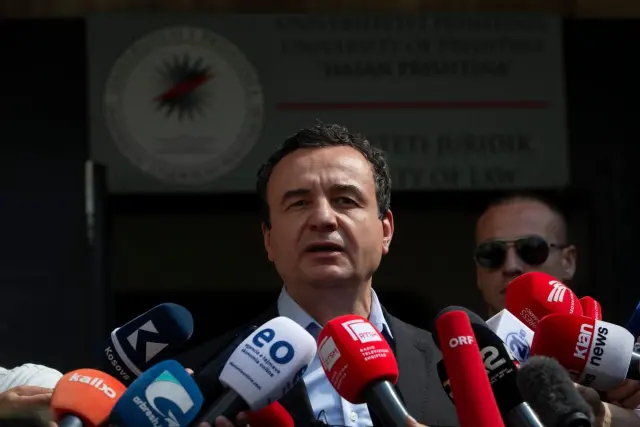
Travellers planning a road trip around the Dominican Republic can breathe a little easier at the pump. President Luis Abinader has confirmed that fuel prices will stay frozen through 7 January 2027, with the government stepping in with subsidies to absorb any jumps in the global oil market.
There's one caveat worth knowing: the freeze holds as long as the weekly subsidy bill doesn't top RD$1.5 billion (roughly US$25 million). If international prices spike hard enough to blow past that cap, the government has left itself room to let prices move again.
The decision was announced after an expanded meeting of the Price Committee at the National Palace in Santo Domingo, where officials reviewed how the ongoing international energy crisis is filtering through to fuel and other consumer goods at home. The idea is simple: use state money to smooth out the swings so that prices on the forecourt don't lurch up every week with the oil markets.
So what does this mean if you're heading to the Dominican Republic? For anyone renting a car to explore — and the country rewards it, from the Samaná peninsula's beaches to the mountain roads around Jarabacoa and the colonial streets of Santo Domingo — predictable fuel costs make budgeting far easier. Petrol has historically hovered in the region of RD$250-290 per litre, and the freeze keeps it that way through the start of 2027.
It also has a knock-on effect beyond hire cars. Guaguas (local buses), intercity coaches, motoconchos and taxi fares all track fuel costs, so a stable pump price helps keep getting around affordable too. For travellers spending several weeks on the island, or retirees and long-stay visitors who drive regularly, that stability is a genuine plus — the DR can be one of the pricier Caribbean destinations for everyday costs, and transport is a big chunk of that.
Worth keeping in mind, though, is that this is a subsidy, not a guarantee forever. The government has flagged that it's monitoring the global energy picture closely, and the RD$1.5 billion weekly ceiling gives it an exit if crude prices run away. In practice, prices are reviewed weekly by the Ministry of Industry and Commerce, so it's worth a quick check if you're mid-trip when the cap comes into play.
For now, if the Dominican Republic is on your list for winter sun — peak season runs roughly December to April, so this freeze conveniently covers the busiest travel months — you can plan drives to Punta Cana, Puerto Plata or the surf town of Cabarete without worrying that a fuel surcharge will sneak onto your rental bill.