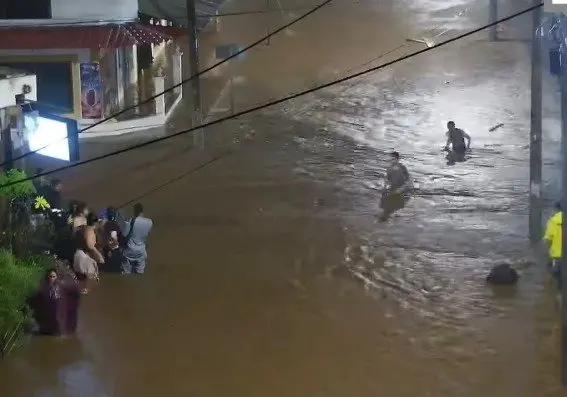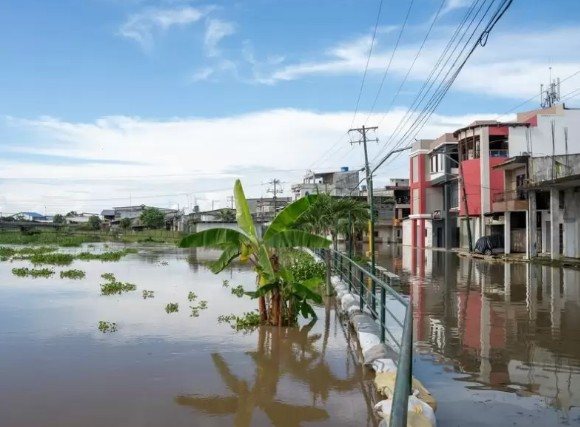
Ecuador has declared a nationwide red-alert emergency as the strongest El Niño on record drives flooding rains across its coastal and low-lying regions. The National Emergency Operations Committee (COE), meeting in Samborondón, announced 'recovery bonuses' — direct financial assistance for people whose homes and livelihoods have been hit — with amounts to be set once damage assessments wrap up.
The numbers behind the emergency are stark. The Risk Management Secretariat reports 11 deaths across Galapagos, El Oro, Guayas, Pichincha and Azuay provinces, with more than 48,000 people seriously affected since late August. Nearly 11,500 homes have been damaged (38 destroyed outright), 32 bridges and 25 kilometres of road have washed away, 90 hospitals and clinics are damaged, and seven schools have closed. Farming has taken a heavy hit too: over 5,200 hectares of crops destroyed and hundreds of livestock lost.
Weather officials at Inamhi attribute it all to a 5-degree Celsius rise in Pacific Ocean temperatures, pumping unprecedented moisture into the atmosphere. Guayaquil, Esmeraldas and Manta have logged historic rainfall totals since early September. The sobering part for anyone with a trip on the horizon: forecasters warn the flooding rains could persist into February 2027.
The government has released supplies from customs warehouses in Guayaquil — mattresses, tools and basics — and bypassed some bureaucratic rules to speed up relief. Infrastructure Minister Roberto Luque also conceded that the $600 million initially earmarked for El Niño relief will fall well short of what's needed.
For travellers, the practical takeaway is timing and geography. The worst damage is concentrated on the coast — Guayaquil, Esmeraldas, Manta and surrounding low-lying areas — plus landslide-prone spots in Azuay province, where four deaths occurred in the Camilo Ponce Enríquez canton. Road and bridge damage means overland travel along coastal routes can be unreliable, and some health facilities are operating at reduced capacity. If you're planning a coastal or Galapagos trip in the coming months, monitor local alerts, build flexible itineraries, and expect delays on affected highways. Highland cities like Quito and Cuenca are less exposed to flooding, though landslides can still disrupt mountain roads. With conditions potentially lasting into early 2027, anyone booking for the coming season should keep an eye on COE and Inamhi updates before locking in coastal plans.
Story via CuencaHighLife