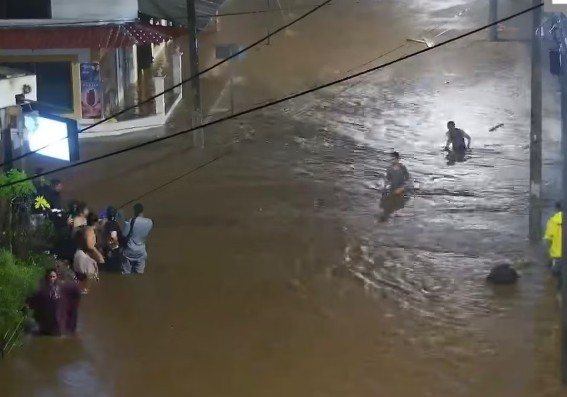
The Galapagos Islands, better known for giant tortoises than weather disasters, have been hit by historic flooding linked to El Niño. At least two people have died and four more are missing after relentless rain lashed the archipelago from late Friday into Saturday, with local authorities reporting that more than 2,000 families have been affected.
The numbers are striking for a place that is normally semi-arid. A weather station in Puerto Ayora, the largest town in the islands, recorded 212 millimetres of rain in 24 hours — the second-highest daily total ever measured in the Galapagos. Mayor Fanny Uribe said emergency services were overwhelmed, adding that nobody on Santa Cruz could remember flooding like it. Much of the damage has been concentrated on Santa Cruz, home to roughly 25,500 of the archipelago's 29,000 permanent residents.
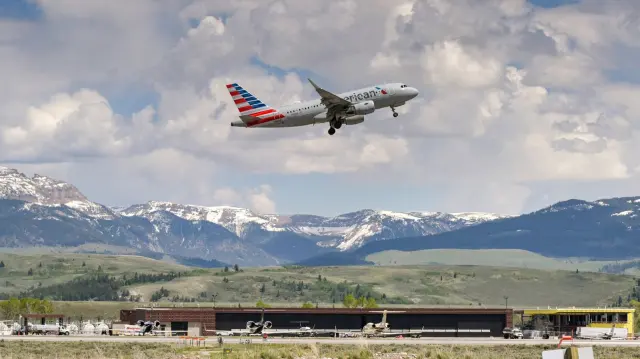
For anyone with a trip booked, the practical fallout matters as much as the human toll. Baltra airport, the main gateway for visitors, shut for several hours on Saturday after a power failure left water on the runway. The road from the airport to Puerto Ayora was blocked by debris in several spots, though crews had cleared it by Sunday morning. Parts of Santa Cruz Island were without electricity until Sunday afternoon after falling poles and damaged equipment knocked out supply.
Tourism infrastructure has also been disrupted. The Galapagos National Park closed four visitor sites on Santa Cruz and San Cristobal islands, including sections of the Charles Darwin Center. Rescue teams evacuated residents and tourists from flooded homes and hotels in Puerto Ayora, with some people moved temporarily to a community centre. Photos released by the ECU911 emergency service showed residents carrying belongings to higher ground as streets turned into rivers.
If you're travelling to the Galapagos in the coming weeks, keep a close eye on local updates and check directly with your tour operator or lodge before setting out — some sites may reopen quickly, others could stay closed while damage is assessed. Travel insurance covering weather disruptions is worth having in any case. El Niño years tend to bring unusually wet conditions to the islands, so this is a pattern rather than a one-off, and visitors should expect itineraries to be flexible while the clean-up continues.
The flooding also hits mainland Ecuador's coast hard, so travellers planning combined mainland-and-islands trips should check conditions on both ends. As ever with the Galapagos, booking through operators who stay on top of park authority announcements will save you headaches if closures or route changes crop up.