At this year's Tokyo International Film Festival, Việt Nam made a deliberate play to turn its movie industry into a tourism engine. The Việt Nam Film Development Association (VFDA) and the Vietnamese embassy in Japan hosted a seminar, 'Vietnamese Cinema in a Connected Asia', arguing that cinema can deepen the Việt Nam–Japan Comprehensive Strategic Partnership in three ways: workforce exchanges and training, wider audience access through festivals and archives, and better links between filmmakers, businesses and government on production, IP protection and co-production.
One concrete deal emerged. Japanese distributor Sai Pro bought rights to Bùi Thạc Chuyên's 'Tunnel: Sun in the Dark' (Địa Đạo: Mặt Trời Trong Bóng Tối) and proposed producer exchanges between the two countries. VFDA chairwoman Ngô Phương Lan framed the bigger challenge: how Vietnamese films can reach global audiences without losing their cultural identity.
For travellers, the most interesting pitch came from the local level. Quảng Ninh and Hải Phòng officials floated a 'two localities, one destination' model — bundling Hải Phòng's port-city architecture with Hạ Long Bay's natural wonders, plus a shared logistics menu so film crews (and potentially tourists) can cover both with less travel time and lower costs. If Vietnamese provinces learn from Japan's film commission model, described by the Japan Film Commission's Ruriko Sekine as roughly 400 crew support units that earn local money during shoots and pull film-driven tourism afterwards, expect more Vietnamese locations to appear on screen and then on itineraries.
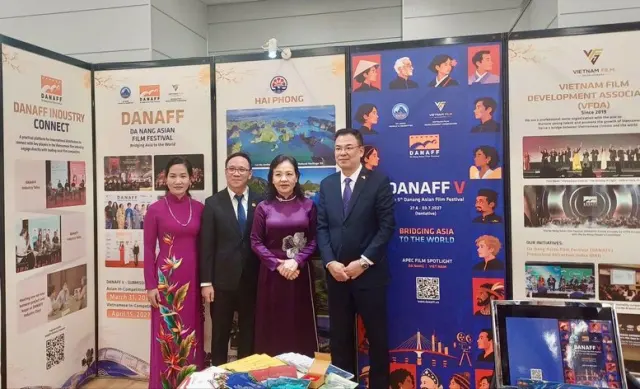
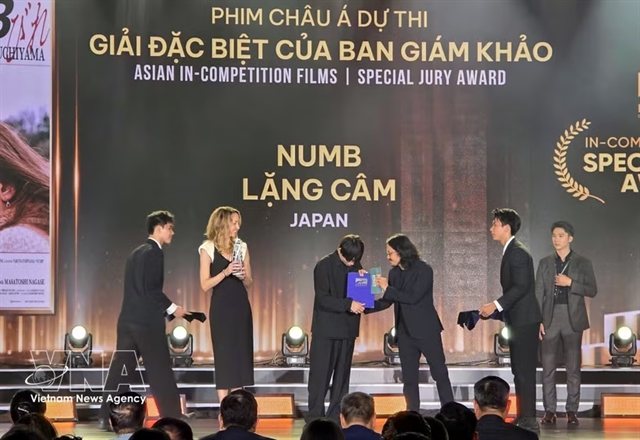
The seminar also touched heritage: preservation paired with accessibility, so international audiences can actually watch Vietnamese classics systematically. Director Phan Đăng Di argued that alongside the Đà Nẵng Asian Film Festival's four pillars — competition, heritage, training and industry connection — commercial distribution is the practical route abroad.
Why should a traveller care? Films are increasingly how destinations get discovered, and Việt Nam is consciously building that pipeline — from Kanagawa governor Kuroiwa Yuji's reference to 'Princess Anio', an opera about a 400-year-old Hội An love story between a Vietnamese princess and a Japanese merchant, to the 'Việt Nam Night' showcase at TIFF that screened footage of DANAFF and its talent development. The film tourism play mirrors what Japan has done with location maps and tours after releases. Watch for Vietnamese destinations — Hạ Long, Hải Phòng, Hội An, Đà Nẵng — to get fresh screen exposure in Japanese cinemas and, in time, more film-location tours on the ground.