El Salvador bumped up its minimum wage by 12% on June 1, 2025, and the new rates reveal a lot about how work and money actually function in the country — useful context for anyone visiting, working remotely there, or simply trying to gauge what things should cost.
Unlike countries with one flat national wage floor, El Salvador sets different minimums by industry. Under the 2025 decrees, commerce and services workers — think retail, restaurants and hotels — plus general industry and sugar mill employees earn $408.80 a month. Textile and apparel factory workers, a cornerstone of the export economy, sit slightly lower at $402.32. Agricultural pay drops further: sugarcane harvesting and coffee processing earn $305.23, while coffee and cotton harvesting and general farming, livestock and fishing work bottom out at $272.53. These are gross monthly figures before social security and pension deductions, so take-home pay is less.
The system is steered by the National Minimum Wage Council, a seven-member body with two labour representatives, two employer representatives and three from government. The Labor Code requires a review every three years, weighing inflation, the cost of the basic food basket and the broader business climate before recommending changes to Congress. The government has the final say, and the tug-of-war is familiar: workers push for wages that cover real living costs, businesses warn about squeezed margins.
Enforcement is the weak spot. Roughly 63.3% of employed Salvadorans work informally, according to the International Labour Organization — mostly in agriculture, small businesses and local commerce, especially in rural areas. Many earn below the legal minimum and lack social security coverage. For formal workers, the Ministry of Labor and Social Welfare handles complaints, and employees pursuing a claim are advised to keep contracts, payslips and schedules as evidence.
Regionally, El Salvador ranks near the bottom of Central America. Its top minimum of $408.80 beats only Nicaragua's $347.92, while Costa Rica's minimums range from about $792 to $1,559 and Panama's from $393.60 up to $1,188. That gap says a lot about cost-of-living differences across the isthmus — and why your dollars stretch further in El Salvador than in its pricier neighbours.
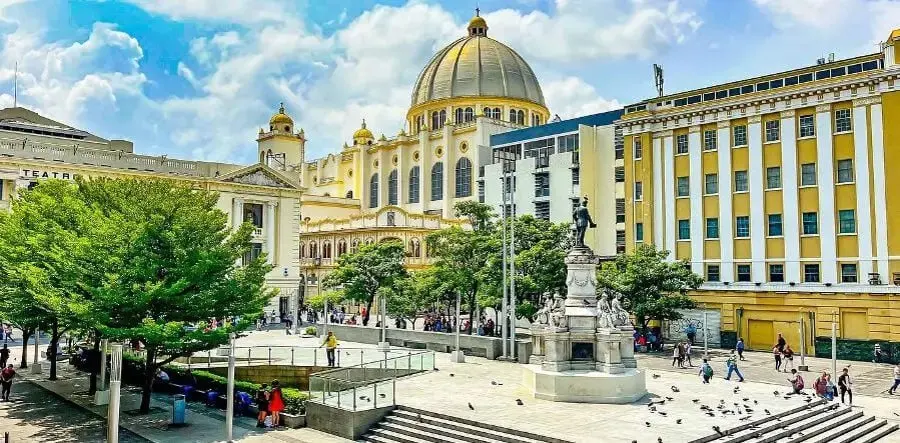
For travellers, the practical upshot is straightforward: El Salvador remains one of the region's most affordable destinations, and the 12% raise is unlikely to shift prices much. If you're tipping hotel and restaurant staff — many of whom earn wages in the commerce and services bracket — a little goes a long way. And for digital nomads or anyone weighing a longer stay, the figures offer a realistic benchmark of local salaries versus the cost of renting and eating in San Salvador versus smaller towns.