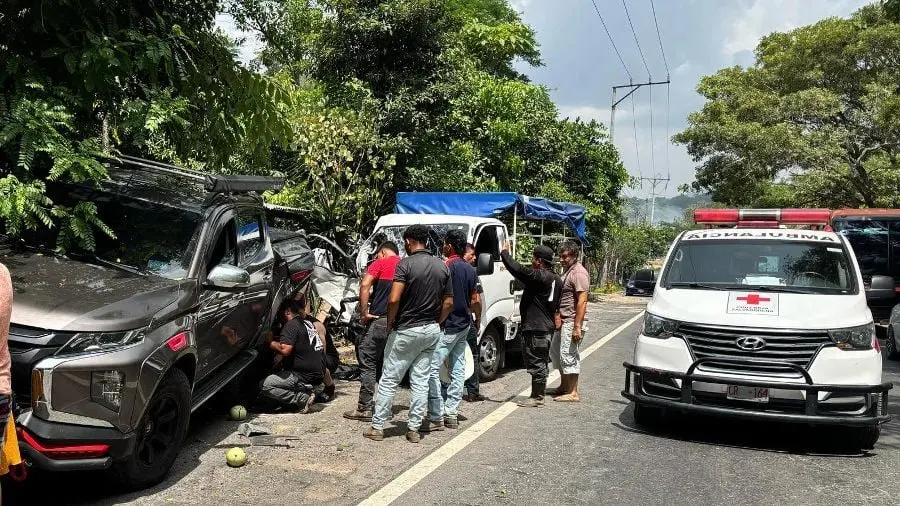
El Salvador has been enjoying a tourism boom and a well-publicised drop in crime, but its roads tell a different story. New figures from the country's road accident victims fund, FONAT, show 1,135 traffic deaths between 1 January and 13 October 2026 — 208 more than the same stretch of 2025, a jump of 22.4%. Overall accidents rose about 3.4% in the same period.
The deaths are concentrated where most travellers go. San Salvador department, the most populous in the country, recorded 241 fatalities (up 14.8%), followed by La Libertad with 163 (up 25.4%) and Santa Ana with 117 (up 17%). Together those three account for nearly 46% of the national toll — and La Libertad is precisely where the country's biggest surf beaches and much of its new hotel stock sit.
The pattern behind the numbers matters more than the totals. Motorcycles are involved in a striking share of the deaths: 504 riders killed, or 44.4% of all fatalities. Adults of working age make up the bulk of victims at 821, while deaths among older adults rose fastest, up 28.8% to 264. Fifty children died, a 19% increase.
In response, authorities have ramped up checkpoints, targeted drunk drivers, enforced speed limits more aggressively and raised fines for violations, alongside public awareness campaigns. Officials frame road safety as one of the few remaining security problems after significant improvements elsewhere.
For visitors, the takeaway isn't to skip El Salvador — it's to plan around the risk. If you rent a car or scooter, drive defensively, keep speeds modest and never ride at night on rural roads, where unlit buses, trucks and motorbikes are a real hazard. If you're surfing the La Libertad breaks or touring the Ruta de las Flores, consider hiring a driver or using shuttles rather than self-driving, especially after a few drinks — drink-driving enforcement may be tightening, but the risk is yours first. Pedestrians should be cautious too: crossings are informal in much of the country and drivers rarely expect people at the roadside.
The bump isn't a reason to cancel a trip; violent crime against tourists has fallen sharply and the country is actively courting visitors. But road risk in El Salvador is genuinely higher than in most of Central America's quieter corners, and it's rising rather than falling. Build it into your plans the way you'd factor in weather or altitude: choose day drives, skip the motorbike rental unless you're experienced, and wear a helmet every single time.