The all-electric sailing yacht has long been a nice idea hampered by one question: what happens when the wind dies and the battery is flat? That answer is starting to look less shaky, thanks to a quiet build-out of charging infrastructure on England's south coast and a wave of new boats designed around electric power from day one.
The Solent now has the makings of a genuine charging corridor. The Electric Seaway, a £3.2 million project funded by the Department for Transport's UK SHORE programme and led by Aqua superPower with ZPN Energy, the University of Plymouth and a group of harbour authorities, has been installing DC fast-charging points since 2023 – 400V-class kit, the marine equivalent of a car rapid charger. Cowes got in early with three chargers at Trinity Landing and Shepards Wharf. Lymington, Ocean Village in Southampton and, this spring, Itchenor in Chichester Harbour have followed, with Fowey and Falmouth stretching the route further west.
Interestingly, the heaviest users so far are commercial workboats rather than leisure sailors – but the significance for weekend owners is that marinas and energy firms are now treating electric as standard, not experimental. For a small weekender with a modest battery that tops up overnight at its berth, that back-up network removes most of the range anxiety.
Boatbuilders have noticed. Spirit Yachts, better known for 60-100ft wooden classics, offers the all-electric R30 and says over half its current orders are for electric boats. Owners report near-zero maintenance on the drive and a habit of sailing closer to the weather forecast – arguably closer to the point of sailing in the first place. Beneteau, the world's largest production sailing yacht builder, now offers electric as a factory option, and Dutch yard Saffier sells its SE28 Leopard daysailer with electric and diesel as an equal choice.
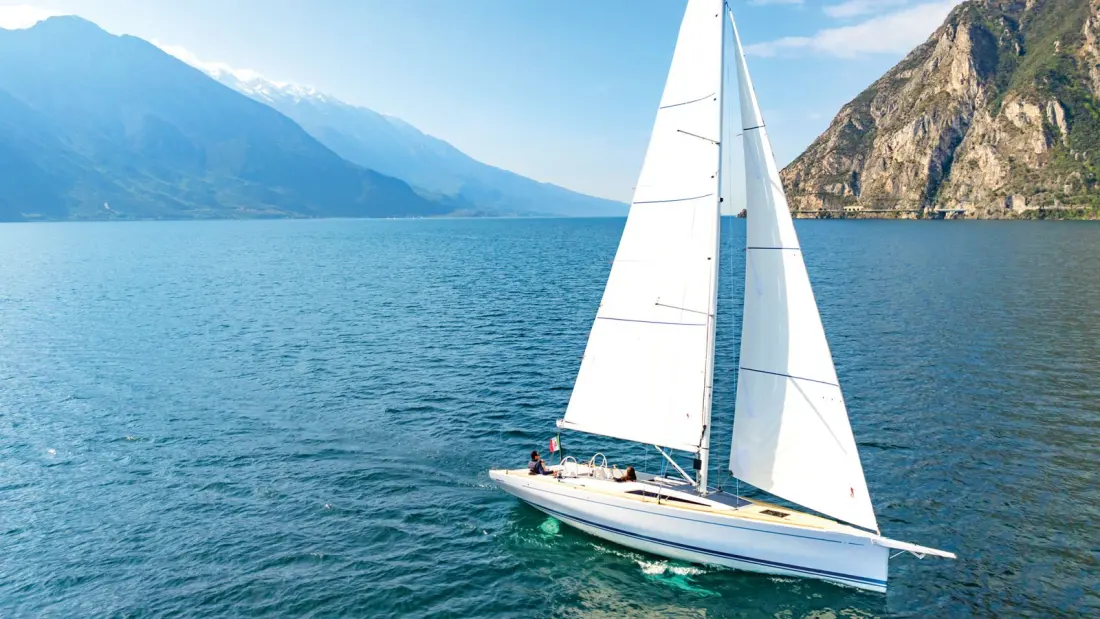
The most ambitious newcomer debuted at boot Düsseldorf in January 2025: the Grand Soleil Blue, a 33ft daysailer from Cantiere del Pardo designed electric-first. Its 6kW ePropulsion pod runs off an 8kWh lithium bank (a second is optional), giving a claimed 30 miles at 5 knots – stretched by regenerative charging under sail (up to 1kW recovered at 10 knots) and 340W of solar panels set into the coachroof. The hull uses recyclable Elium thermoplastic resin, making it what the yard calls the first fully recyclable production sailing yacht built in Italy, with even the sails recyclable. The project is part-funded by the Emilia-Romagna region, and Yamaha's 2024 acquisition of electric-drive leader Torqeedo rounds off the picture: one of the biggest names in combustion outboards now owns the biggest name in electric ones.
For holidaymakers, this matters less as a purchase decision and more as a preview of how chartering and boating holidays are shifting. Silent weekends on the water, fume-free marinas and a growing charge network in one of the UK's best sailing playgrounds – the electric weekender is edging from novelty towards normal.