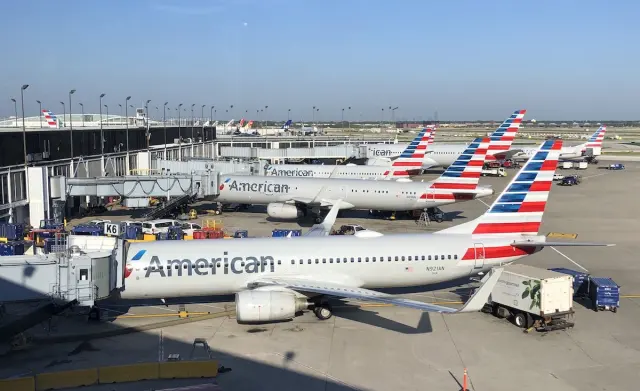
Travellers across the United States woke up to gridlock on Friday, Nov. 13, after the Federal Aviation Administration ordered every departing flight in the country to hold on the ground. The reason: a communications failure hitting all of the nation's Air Route Traffic Control Centers, which manage flights at high altitude across huge swaths of airspace.
Transportation Secretary Sean Duffy confirmed the emergency on X, saying technicians were hunting for the source of the fault, though no details were released. The FAA described the situation as "extraordinary circumstances" — language rarely used — and ordered all departing traffic grounded until further notice. Arriving international flights would be cleared to land case by case, so aircraft already in the air were not forced to make emergency landings.
Officials moved quickly to calm nerves. Homeland Security Secretary Markwayne Mullin told reporters at the White House there was no sign of an attack: "This is not another 9/11. Everyone is safe... It is just a telecommunications failure, for the time being." It is the second nationwide ground stop since the 2001 terror attacks — the first came in January 2023, when a glitch in the NOTAM pilot-information system halted flights for under two hours.
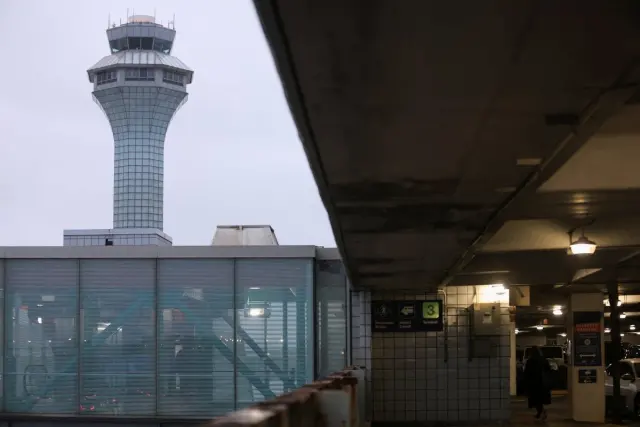
The timing is awkward for the government. Just a day earlier, Duffy had formally asked Congress for $30.1 billion to modernise the air traffic control system, on top of $12.5 billion already approved last year. That money is going towards swapping thousands of miles of ageing copper cable for fiber-optic lines and replacing outdated radio systems at airports — work that, ironically, may be linked to Friday's chaos. Before the national order, the FAA had already stopped traffic in Chicago over controller communication problems.
For anyone with a flight booked to, from or within the US around this date, the practical takeaway is simple: expect cascading delays even after departures resume, since a full-day ground stop leaves airlines with misplaced crews and aircraft for days. Check your airline's alerts before heading to the airport, know your rebooking options, and note that flights into the US from abroad may still operate selectively. Anyone travelling on flexible or refundable tickets has more room to shift plans without penalty.
The bigger picture for travellers: the US air traffic network runs on infrastructure old enough that a telecom fault can freeze the entire country's departures. Modernisation is underway, but until it is finished, days like this are a reminder to build buffer time into tight connections and consider travel insurance that covers extended delays.