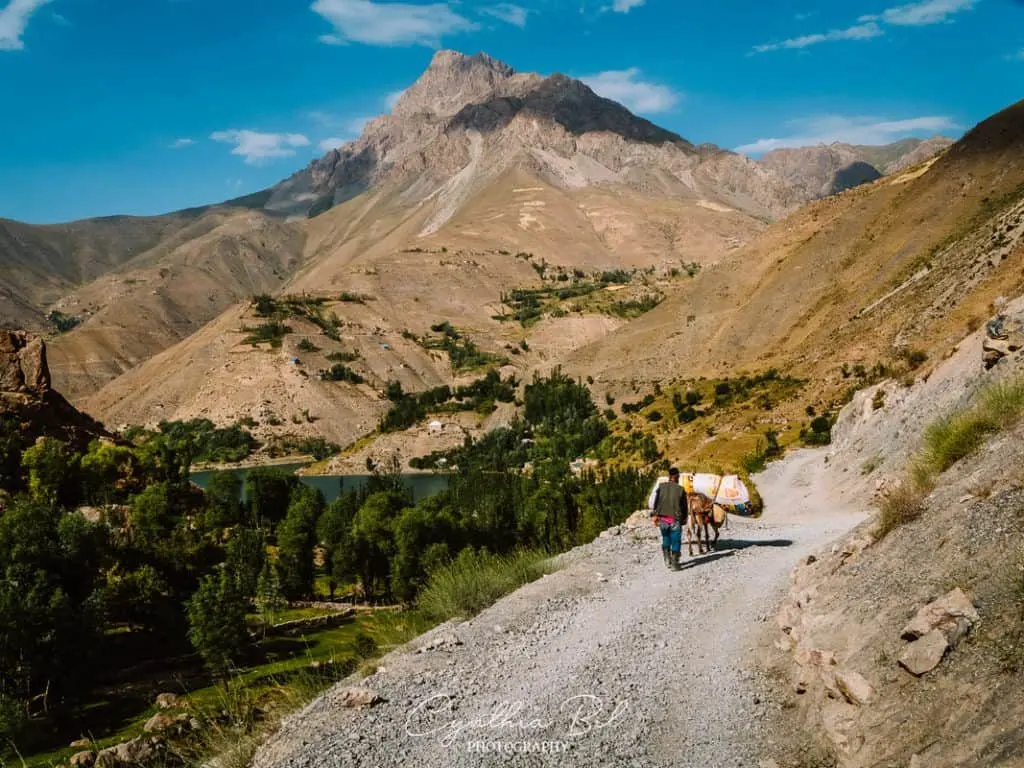
Tajikistan gets lumped in with the supposedly risky '-stan' countries, but a recent in-depth safety review from an experienced Central Asia traveller paints a very different picture. After road-tripping the Pamir Highway, trekking in the Fann Mountains and travelling independently through remote villages, the verdict is that Tajikistan is generally very safe for visitors — including solo women — provided you plan properly. The real dangers aren't crime; they're altitude, roads and weather.
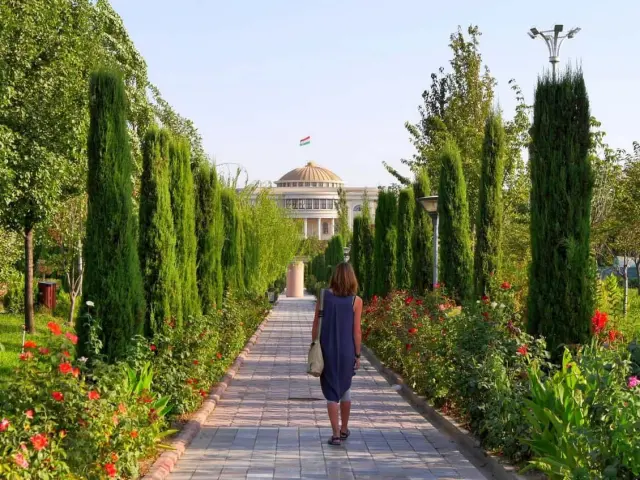
The country is actively courting tourists. Infrastructure is slowly improving and community tourism groups are opening homestays, with villagers famously welcoming travellers into their homes. Family is central to local culture, and visitors report being greeted with warmth everywhere from Dushanbe to yurt camps. Families should note, though, that the appeal is hiking, landscapes and people — if your kids need entertainment beyond that, and you're hauling litres of clean water and hunting for baby food, it may not be the easiest pick.
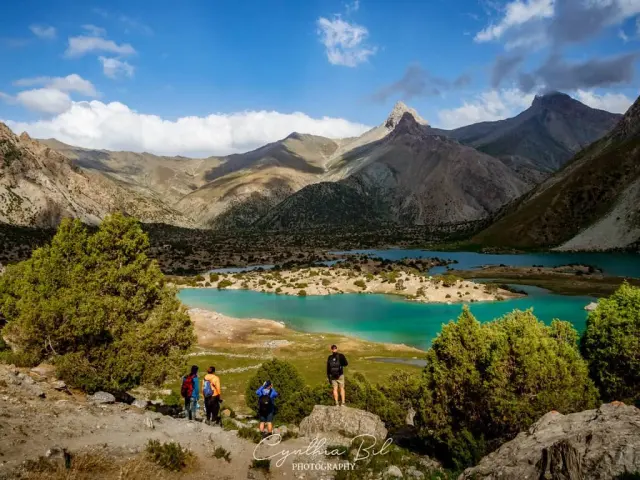
The mountains are the main event and the main risk. Tajikistan is the third most mountainous country on earth, and the Pamir Highway alone tops out at 4,655 metres, with hikes near Murghab reaching around 5,000m. Mild altitude sickness is near-universal; severe acute mountain sickness calls for immediate descent. Travellers should consider Diamox for milder symptoms and watch for warning signs like chest tightness or loss of coordination. The Fann Mountains start lower, around 1,900m, but Chimtarga Pass hits 4,750m.
Timing matters. The safe window runs from late June to early October, outside peak avalanche season, with August generally offering the best weather for high peaks. Spring brings mudslides as snowmelt rushes into villages — one in 2024 blocked the road near Langar, though it reopened within two days. Landslides are a known hazard along the Pamir Highway even in summer, so drivers and locals should be consulted before rain, and itineraries should carry a few buffer days.
Navigation deserves real preparation. Large-scale maps of the ranges are effectively unavailable, and apps like Gaia, Komoot or Mapy.cz offer only basic terrain data. The advice: download maps in at least two apps, plot waypoints even when guided, and dial down the risk of any activity — rescue in the deep Pamirs is not a phone call away.
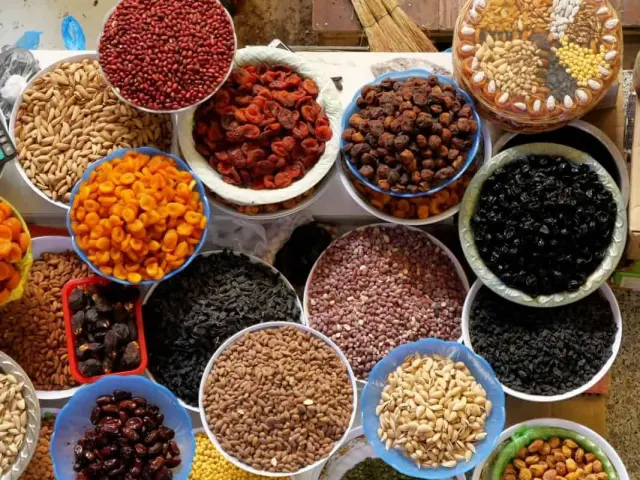
One area to approach with awareness: markets near the Afghan border in the Wakhan Valley, where a group of women travellers reported being surrounded by male stallholders — intimidating, though closer to pushy salesmanship than danger.
Practically, travellers face a choice of routes on the Pamir Highway: from Dushanbe (706m elevation, a gentler altitude ramp-up) or from Osh in Kyrgyzstan, which involves a sharp climb through Sary-Tash at 3,170m. Good travel insurance, proper mountain gear and an eSIM for patches of coverage round out the essentials.
Who is this for? Confident travellers comfortable with remoteness and basic infrastructure — solo adventurers, cyclists, hikers and road-trippers who want dramatic high-altitude scenery and genuine hospitality. It rewards preparation, not bravado.