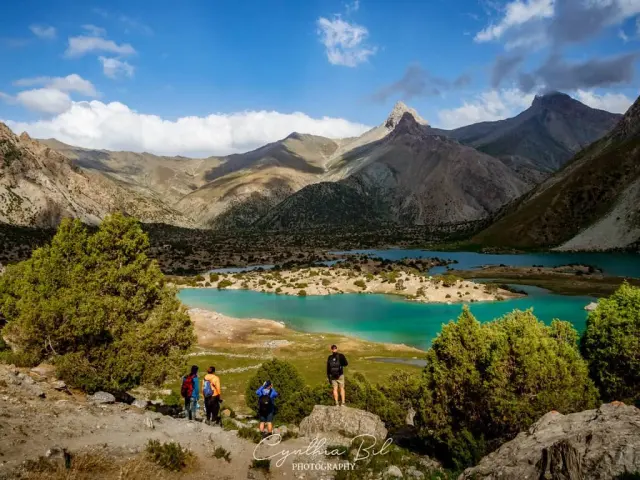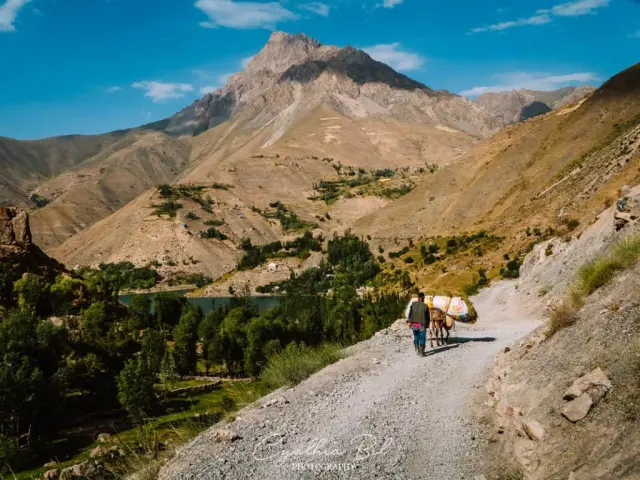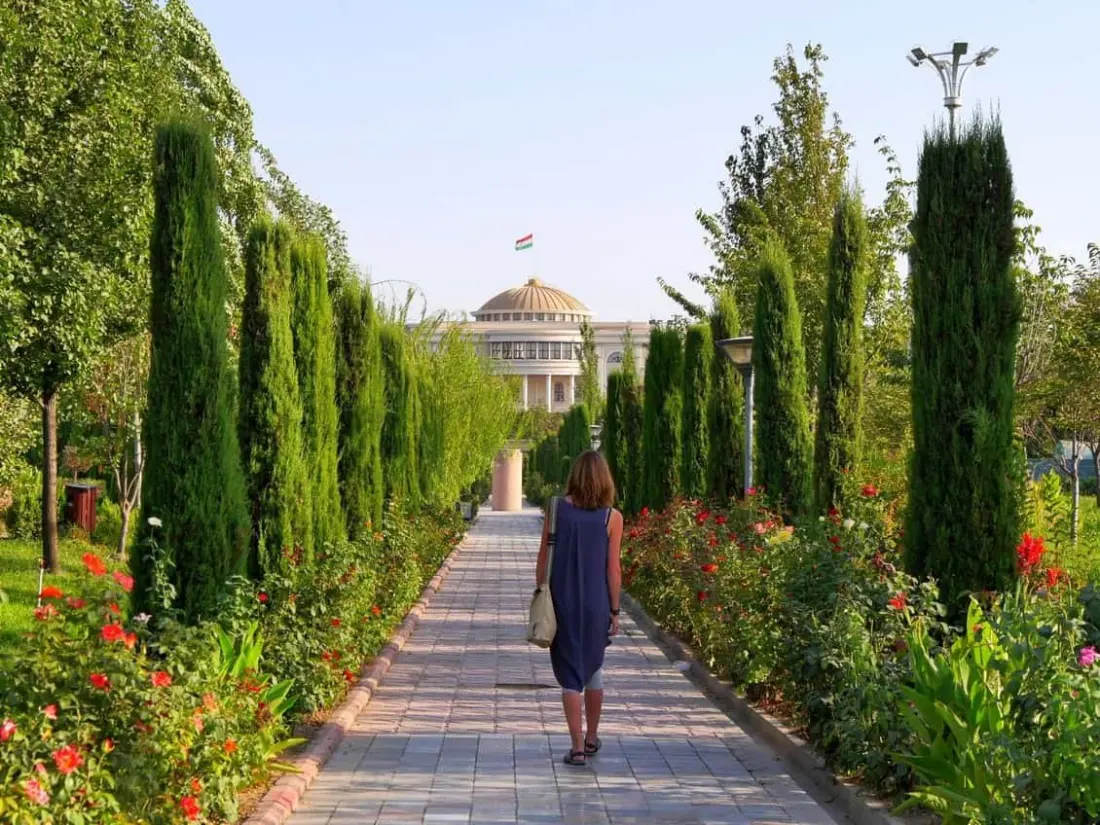
Most travellers see Dushanbe as a stepping stone to the Pamir Highway or the Fann Mountains — and that's exactly how to use it. Tajikistan's capital, home to around 1.56 million people in the Gissar valley along the Varzob River, is clean, leafy and surprisingly modern, with plenty of affordable hotels and shops where you can stock up on gas canisters, SIM cards and supplies before heading for the hills.
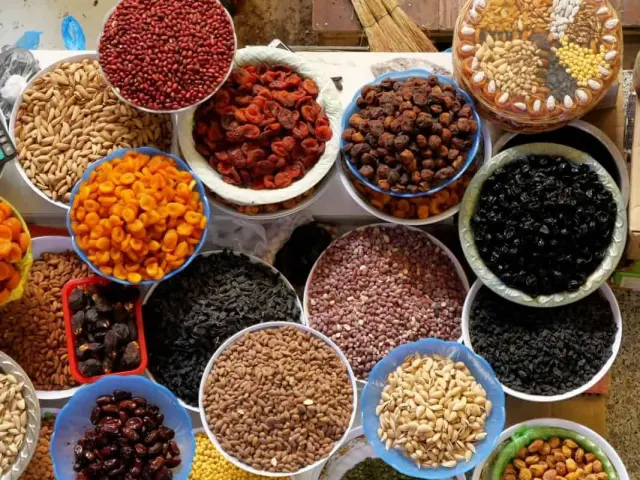
The name itself means 'Monday market day', a nod to the trading post that stood here for centuries before Soviet planners built a new city on the site of three settlements in 1929 — briefly called Stalinabad, then renamed Dushanbe in 1961. Today the streets are named after writers and philosophers, and the president's portrait watches from official buildings everywhere.
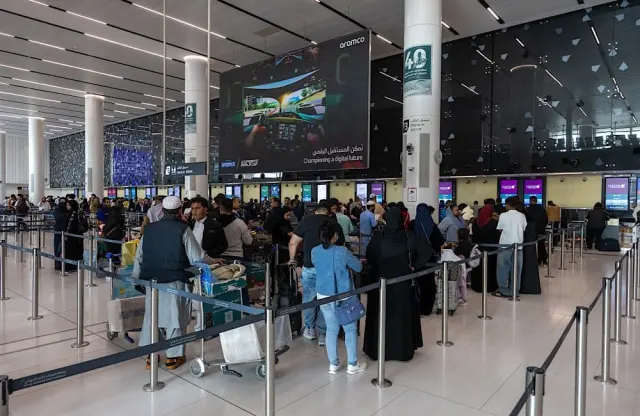
On paper, sightseeing is limited compared with the mountain regions, but the city works well as a base and a breather. Expect bright lights, parks and high-street shops, plus easy logistics: the international airport sits just 10km from the centre, and many hotels throw in a free transfer. Skip the taxi touts loitering at arrivals and walk about 200 metres to Ahmadi Donish Street instead, agreeing a fare before you get in. In town, walking works fine, or use the Rakhsh Taxi app (Yandex Go reportedly works too). Buses are fiddly — you need a local phone number to buy a bus card — so most visitors skip them.
Paperwork is the real headache. Nationals of over 80 countries, including EU states, the US and Australia, get 10 days visa-free; stay longer and you must register at an OVIR office in Dushanbe or Khorog. UK travellers need an e-visa (up to 45 days), which can bundle in the GBAO permit required for the Pamir region near the Afghan border. Print several copies of your visa and passport — hotels and checkpoints will ask. If police at the airport or on the road claim your documents aren't in order and demand a 'fine', refuse politely and ask for the chief of police; tourists are officially exempt from being stopped.
Safety-wise, the city itself feels calm. Standard big-city sense applies — watch for pickpockets in markets, take care late at night, and mind the chaotic traffic. Note that smoking on the street is banned, and tourists get noticed. Dress modestly: Tajikistan is predominantly Muslim, and while Dushanbe is more liberal than the mountain villages, covered shoulders and legs will earn you less unwanted attention.
Timing matters. Dushanbe sits at 706m, so summers get seriously hot. Most people pass through en route to the mountains between early June and late September; if you're lingering in the city, late May or late August is the sweet spot. Heading onward? Shared taxis run towards the Fann Mountains and Panjakent near the Uzbek border, and you'll want a hired driver with a 4WD for anything into the mountains — the dirt roads claim punctures regularly, and the cliff-hugging road under construction towards Khorog is genuinely nerve-shredding. Cyclists beware of the unlit, fume-filled tunnels near Nurek Dam.