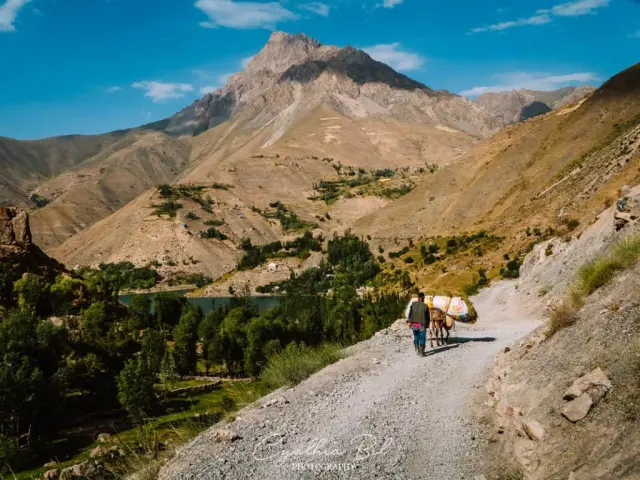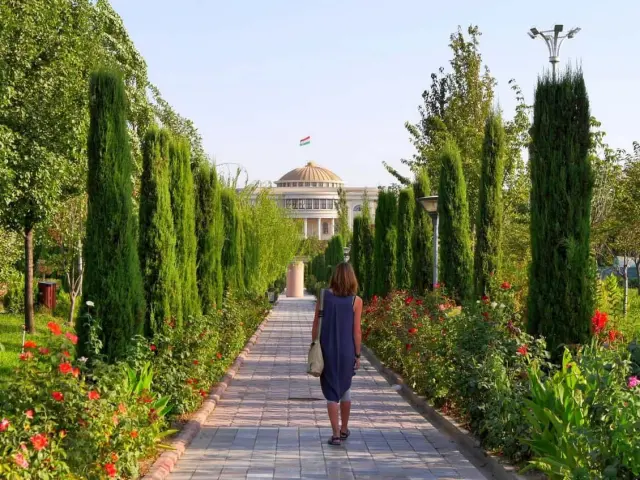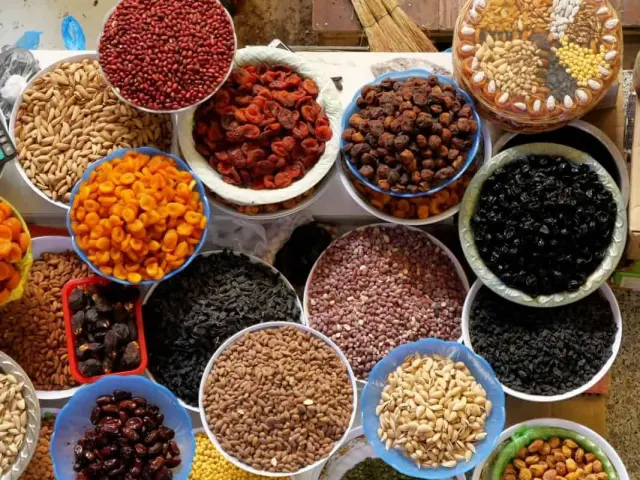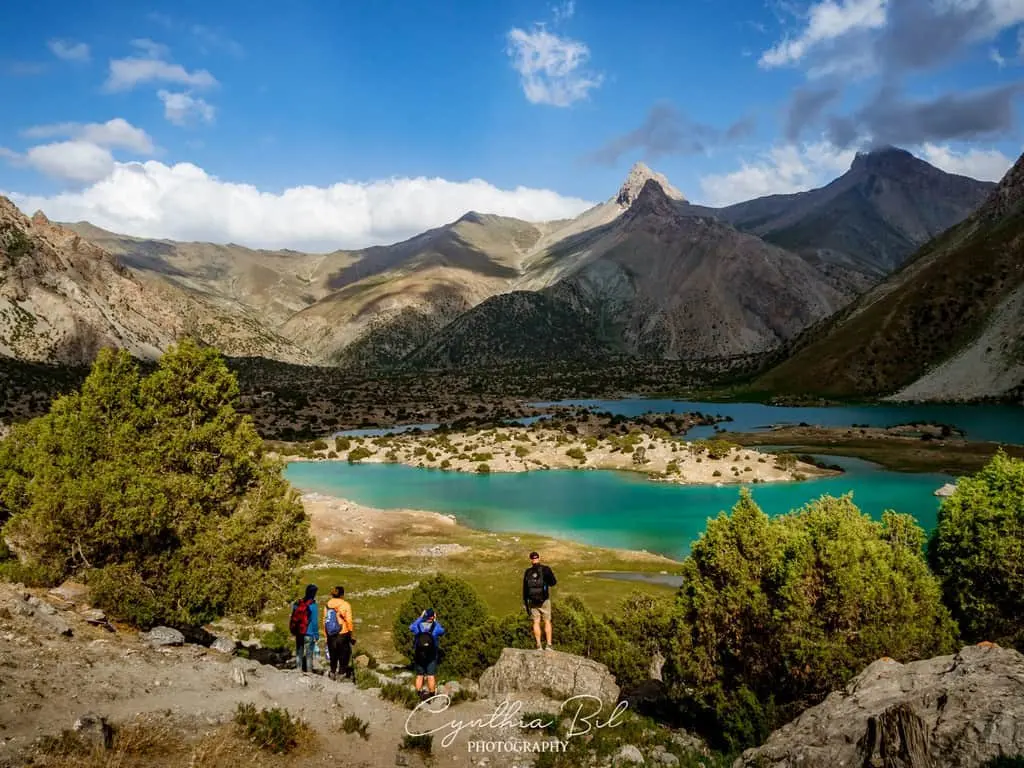
Tajikistan is the third most mountainous country on earth, and it wears that title well. Around 93% of it is mountains, split mainly between the Pamirs in the east and the Fann Mountains in the west. The trails here aren't marked hiking routes in the Alpine sense — most are paths worn in by shepherds and villagers over generations — which is part of the appeal. You can climb rust-red summits above the Pamir Highway, swim in the teal alpine lakes of the Jizeu valley, or camp under the jagged spires of the Fanns, often without seeing another traveller for days.
The mountains are only half the story. Hiking here usually means passing through small villages where homestays are the norm and hospitality is genuinely overwhelming. Much of the good trekking sits in the Gorno-Badakhshan region near the Afghan border, plus the more accessible Fann range, where trails are clearer, elevations are lower and finding water and campsites is straightforward enough that experienced hikers can go it alone.
Paperwork comes first. More than 80 nationalities — including EU, US and Australian passport holders — get 10 days visa-free; Brits and others need a 45-day e-visa, which can be rejected on a first attempt, so apply well ahead. If you're heading into the Pamirs you'll also need a GBAO permit, and separate daily permits for Tajik National Park and Lake Sarez. The Fanns need no permits, just a small daily fee paid to rangers at Alauddin and Kulikalon.
Getting to trailheads is the real logistical puzzle. Renting a car isn't recommended unless you know your vehicle intimately — river crossings, mudslides and broken-down wrecks litter the routes. Shared taxis and 4WD marshrutkas connect Dushanbe to the Fanns and to Khorog (a roughly 12-hour ride), but they fill fast and locals get priority, so build slack into your schedule. Hiring a driver through a local operator is the easier and more common route, and it doubles as a contribution to an economy that badly needs tourism money. Independent trekkers with mountaineering experience can look at the long-distance Pamir Trail, which crosses glaciers and avalanche terrain.
Timing matters enormously. Aim for June to early October. Snow lingers at altitude into July and returns by early September, and spring melt triggers mudslides along the Pamir Highway — a serious risk that climate change is making worse. Check with locals before driving mountain tracks if rain is forecast.
For anyone bored of over-hiked European ranges, Tajikistan offers genuine remoteness without crowds, at a fraction of the cost. The Fanns suit independent trekkers and day-hikers; the Pamirs reward those willing to sort permits and accept rough logistics. Going with a community-based tourism operator — which trains and employs hundreds of local guides and yurt-camp hosts each summer — is both the practical choice and the ethical one.