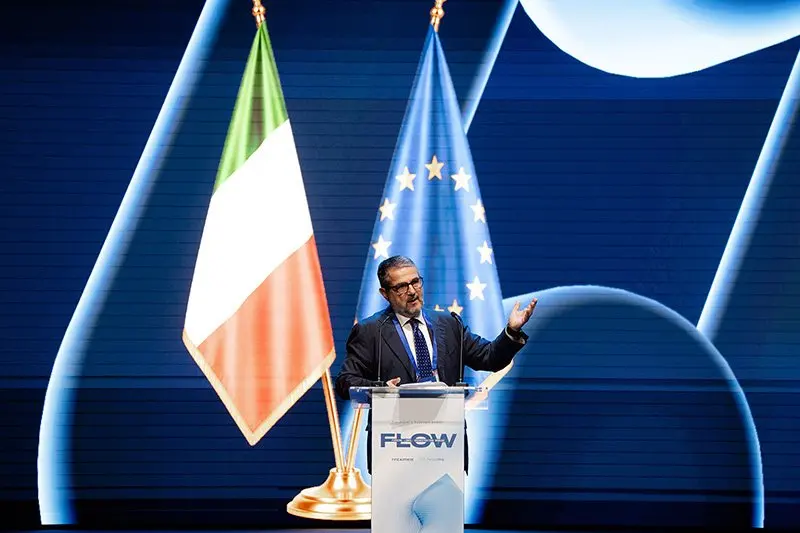
Rome's Auditorium Parco della Musica Ennio Morricone hosted an unusual gathering this month: not a concert, but Fincantieri's PartnerShip Summit 2026, where the Italian shipbuilding group sat down with hundreds of the companies that actually build its cruise ships.
The one-day event centred on a simple idea — Fincantieri is only as competitive as the network of firms around it. Sessions covered procurement excellence and supply chain development, with the group's own management sharing the stage with partner companies. The day wrapped up with the Supplier Awards, recognising standout performers in the network.
At the heart of all this is PartnerShip, a supply chain welfare programme Fincantieri launched in 2023. It covers roughly 1,200 suppliers and is designed to move beyond the old customer-supplier dynamic toward something more integrated. Concretely, that means helping smaller firms access alternative financing, digitising procurement so purchasing is faster and more transparent, and investing in training and management skills so partners can plan investments and grow — not just take orders.
CEO Pierroberto Folgiero framed the group's role as a "system integrator" responsible for orchestrating expertise, technologies and specialist capabilities into an advantage for the whole Italian industrial system, not just Fincantieri's order book. Valentino Valentini, deputy minister at the Ministry of Enterprises and Made in Italy, went further, arguing that small businesses gain access to markets, contracts and technologies they could never reach alone — and that lead companies have a duty to carry them along.
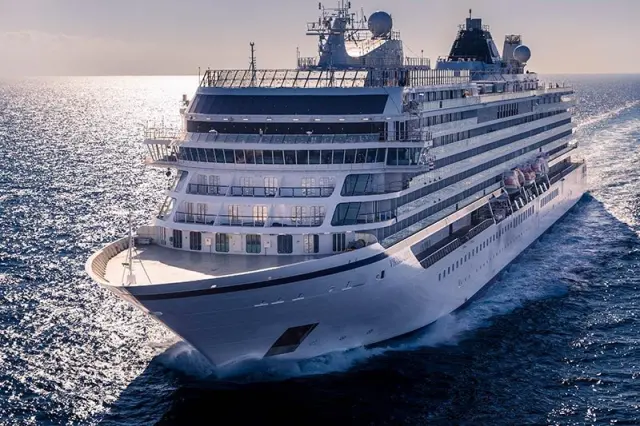
So why should a cruise traveller care? Because ship quality starts in the supply chain. Fincantieri builds for lines including Carnival, MSC, Viking and Disney, and a healthier, better-financed, digitally connected supplier base translates into ships delivered on schedule, fewer construction delays, and higher build standards. When you hear about a new ship being delayed by months, the cause is often a bottleneck somewhere deep in the supplier network. Programmes like PartnerShip are an attempt to prevent exactly that — and they hint at where the next generation of Italian-built cruise ships will get their polish, from the propulsion systems to the interior fit-outs.
For anyone following the cruise industry, the summit is also a signal of where European shipbuilding is heading: less transactional, more collaborative, with the prime shipbuilder acting as an ecosystem coordinator. Italy's wider manufacturing footprint gets a lift in the process, since shipbuilding contracts ripple through thousands of small and medium firms across the country.
The bottom line: Fincantieri is treating its supply chain as a strategic asset rather than a cost centre, and if the approach works, passengers will feel it in smoother deliveries and better-built ships in the years ahead.