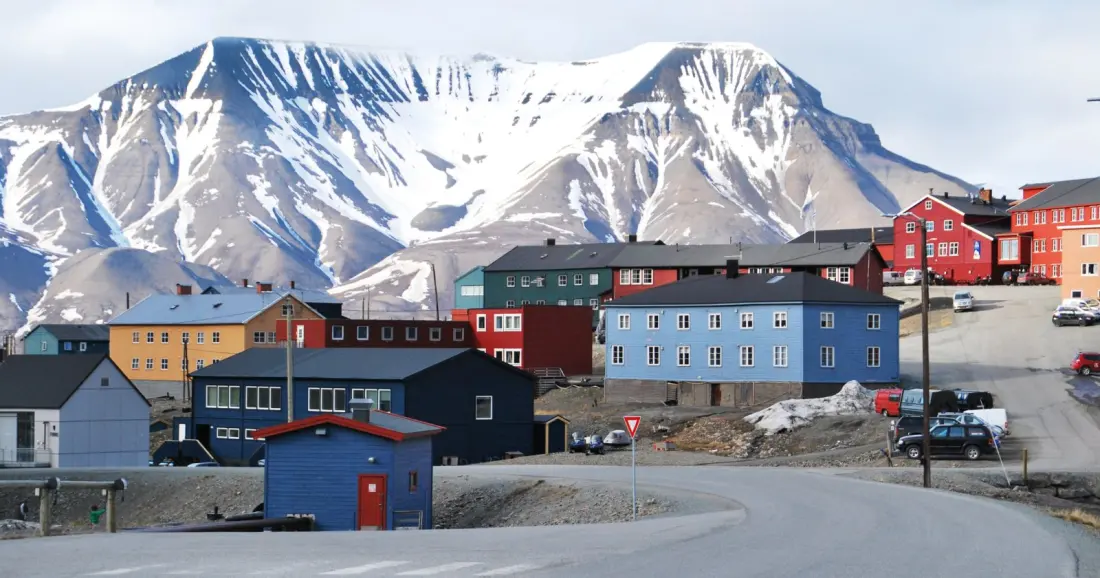
Norway has some of Europe's tightest immigration rules. Yet 1,000 kilometres north of the mainland, in the high Arctic, one of its own territories lets citizens of more than 40 countries arrive, find a job or open a business, and stay — no visa, no residence permit, no paperwork at all.
The place is Svalbard, and the loophole is actually a promise. Under the Svalbard Treaty of 1920, Norway got sovereignty over the islands on one condition: citizens of the signatory nations would have equal rights to live, work and settle there. Nine countries signed at first; the list has since grown past 40. Because Norway's ordinary immigration law was never extended to the archipelago, none of the mainland's permit requirements apply. The Governor's office states it simply — foreign visitors need no visa or permits from Norwegian authorities to come to Svalbard.
There is one catch, and it matters. Svalbard sits outside the Schengen Area, but nearly everyone reaches it by flying through mainland Norway, which is inside it. Travellers whose passports normally require a Schengen visa must hold one for the transit, even though the destination itself asks for nothing.
The open door isn't just theoretical. Longyearbyen, the main settlement, has around 2,400 residents from close to 53 countries. Norwegians make up roughly two-thirds; the rest hold other passports, including a Thai community of more than 100 people. As a former Governor put it back in 2006: if you can find a job, you have the right to be there.
Before you start browsing one-way flights, know what you'd be signing up for. Norway's welfare state stops at the archipelago — there's no social safety net, and residents are expected to support themselves. Housing is scarce and expensive, the job market is tiny, and the climate is genuinely harsh. The average stay in Longyearbyen is about 6.3 years; plenty of people arrive full of plans and leave within a season or two. Even the officials who champion the treaty rights have been candid that the high Arctic is not an easy life.
The contrast with the mainland is striking. Norway has spent years tightening immigration and sharply reducing its UN refugee resettlement quota, while the treaty island next door keeps its border effectively unlatched. The two policies aren't in conflict — the mainland controls access to a generous welfare system, while Svalbard has no net to protect, so it can afford total openness.
For travellers, Svalbard is one of the most unusual places on the map: a proper town at 78° North with polar bears, glaciers, and a surprisingly international community. If you've ever fancied a season working at the top of the world, this is legally the easiest route in. Just pack for the cold, secure work before you go, and check whether you need that Schengen visa for the transit through Tromsø or Oslo.
Reported by Scandinavia Standard.