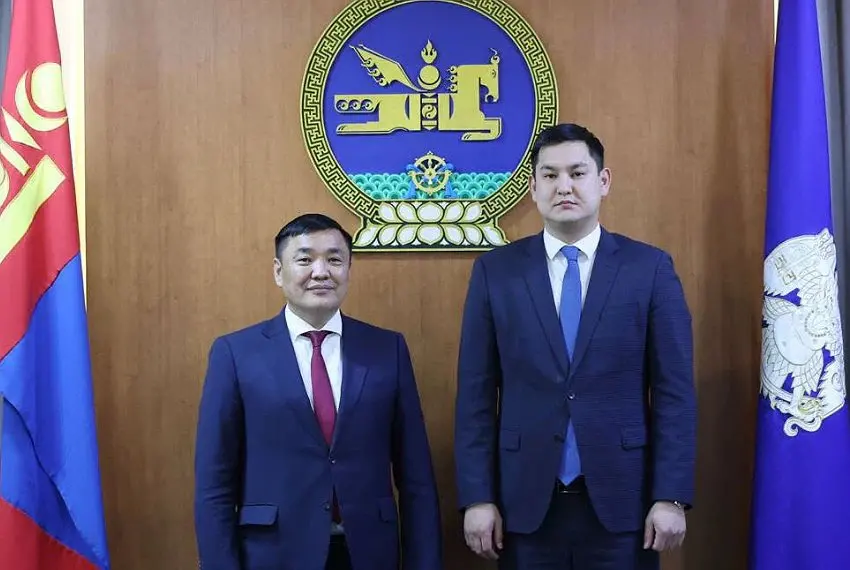
A street in Mongolia's capital is set to carry the name of Manas, the legendary hero of Kyrgyzstan's national epic. The proposal emerged from a 27 November meeting in Bishkek between the city's Deputy Mayor Atai Muratbek and Ulaanbaatar's Deputy Governor Baljinnyam Munkhbat.
The Mongolian side put forward several candidate streets for the renaming. After the two delegations inspected the locations, they agreed to keep talking before settling on a final pick. No specific street or renaming date has been announced yet.
City officials in Bishkek frame the gesture as more than a nameplate. A Manas street in Ulaanbaatar, they say, would stand as a mark of historical memory and friendship between Kyrgyz and Mongolian peoples — two nomadic cultures of the Central Asian steppe with deep, intertwined histories.
The meeting wasn't only about symbolism. The two capitals also talked practical cooperation on problems they share: air pollution (Ulaanbaatar's winter smog is notorious), waste management, modernising public transport and wider urban infrastructure.
For readers who don't know the name: Manas is the towering figure of the Kyrgyz epic that bears his name, a saga of thousands of lines recited by manaschy storytellers for centuries and often cited as one of the longest epic poems in the world. Kyrgyzstan's main airport near Bishkek already carries his name, and Manas is woven through everyday Kyrgyz identity — statues, currency, place names. If a street in Ulaanbaatar joins that list, it becomes a small but telling signpost of how Central Asian capitals reference each other's heritage.
Why should a traveller care? Partly for the context it gives. Ulaanbaatar is usually treated as a launching pad for Mongolia's grasslands, but it's a functioning city with Soviet-era blocks, growing traffic, Buddhist monasteries and an increasingly visible international outlook. Street names are one of the quiet ways a city tells you what it values. And for anyone travelling between the two countries — flights link Bishkek and Ulaanbaatar seasonally, overland routes exist for the ambitious — the Kyrgyz-Mongolian connection is more than a curiosity; it shows up in shared nomadic traditions, from eagle hunting and horsemanship to felt-making and yurt living, on both sides of the border.
The renaming is still pending, so there's nothing to visit yet. But if and when it's confirmed, it would make a fitting detour for anyone pairing a trip to Kyrgyzstan's mountains with Mongolia's steppe — a chance to trace one epic hero's name across two capitals.