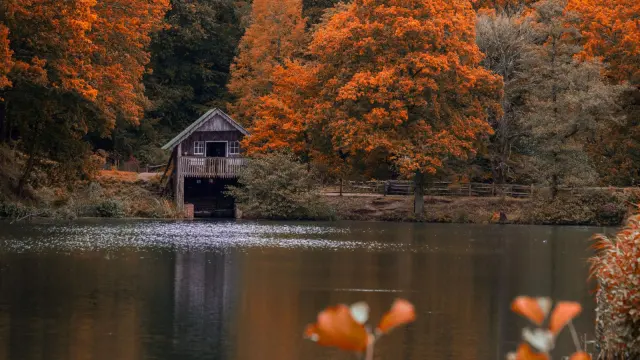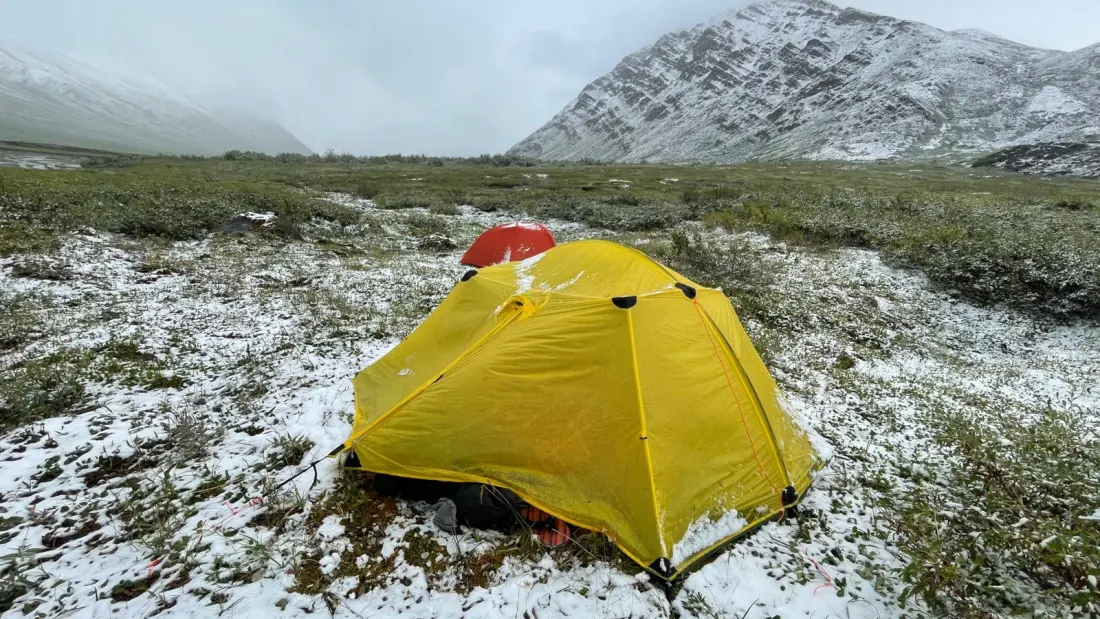
Fall is arguably the best season for backpacking: the summer crowds are gone, hiking temperatures are comfortable, and you get that striking mix of autumn colour and early snow on the peaks. The catch is the nights. And according to Backpacker, many campers make it worse for themselves before they even unzip the tent — simply by choosing the wrong patch of ground.
The biggest surprise is the cold sink. Intuitively you'd think lower means warmer, but in autumn the opposite is often true. Cold air is denser and drains downhill, pooling on valley floors overnight — a temperature inversion that's especially pronounced on long, clear fall nights. The fix is simple: pitch on a slight rise, ideally around 50 feet above the valley floor, where a flat spot allows.
Wind direction matters more as the season turns, too. Point your tent's main door away from the prevailing breeze so it doesn't funnel through zippers and vents every time you climb in or out. A side benefit: this puts the narrower profile of the tent into the wind, so it's less likely to flap noisily all night. A cluster of trees or boulders as a natural windbreak helps further.
What's under you counts as much as what's around you. Hard, compacted earth and rock conduct heat away from your body far faster than soft ground, and damp surfaces are worse still. If leaves or pine needles are available, rake a pile of them under your tent floor — the trapped air pockets act as a free extra insulation layer. In one cautionary tale from the article, a camper who wedged a shelter into tall grass beside a Utah river in October woke to a sleeping bag soaked not by rain but by condensation; air near water is more humid, so camp on open ground uphill and at least 200 feet from any water source.
One last trick for starry but chilly nights: when the sky is clear, heat escapes faster because there's no cloud blanket to hold it in. Camping beneath a tall tree canopy partially mimics that cloud effect while doubling as a windbreak.
Why it matters: none of this requires new gear or extra weight — just better site selection. If you're heading out for shoulder-season nights where a bad sleep can genuinely get dangerous, these five habits (rise above the valley, mind the wind, pick soft dry ground, skip the riverside, use tree cover) can be the difference between a restful night and shivering until dawn. Worth a bookmark before your next autumn trip.
Backpacker