Every plane in the United States was ordered to land on a Friday afternoon in November, stranding thousands of passengers and turning a routine tech upgrade into the week's biggest travel story. The Federal Aviation Administration blamed a faulty router installed by government contractor L3Harris, which overloaded antiquated air traffic control equipment during an upgrade and created intermittent radar and communications gaps. The ground stop lasted more than four hours.
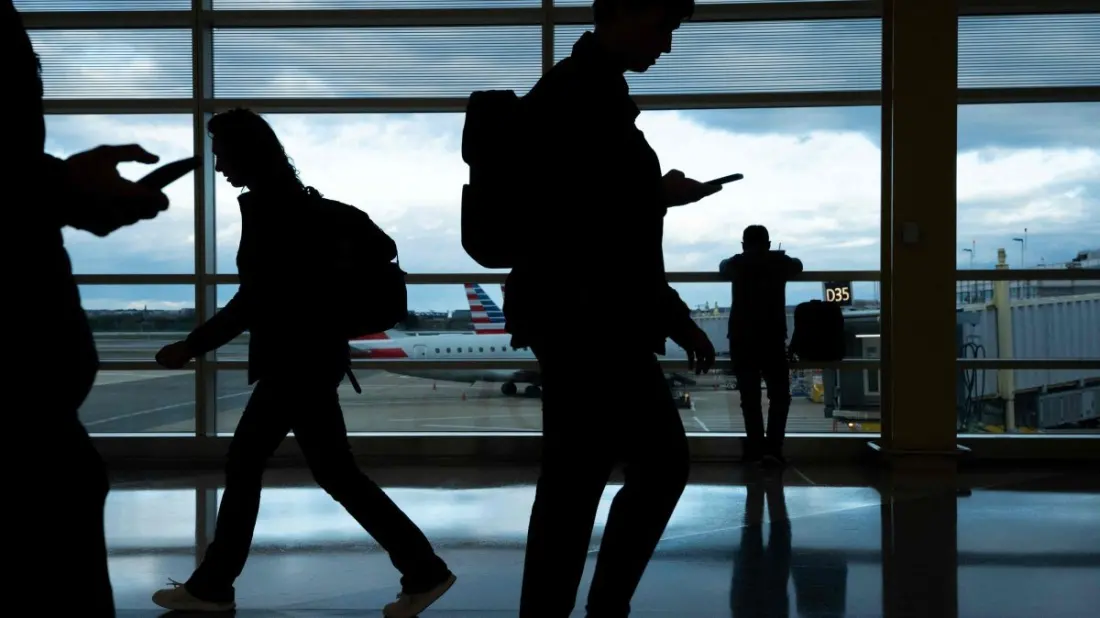
For travellers on the ground, it was a mess. A 68-year-old New Jersey passenger bound from Newark spent a night in a hotel after his flight was axed, then returned to the airport the next morning to try again. At San Diego International, 11 of 62 flights were already listed as cancelled by Saturday morning, with an equal number delayed. One Hawaii-bound woman spent Friday night on the airport floor during a layover. The FAA said schedules should return to normal by late Sunday, and by Saturday things were already running smoother.
The aviation chaos came in the same week as a separate Microsoft outage that knocked services offline in at least 74 countries and affected millions of users worldwide. Microsoft traced it to an issue during a network capacity upgrade, not a cyberattack, and warned users to watch for phishing emails exploiting the confusion. Neither the FAA nor Microsoft found evidence of malicious activity, but the timing fuelled suspicion, and even Stephen King joked online that aliens were behind the ground stop.
The bigger takeaway for anyone flying in or to the US: the country's air traffic control system is genuinely old, and the government knows it. Congress approved $12.5 billion last year to start modernising it — thousands of copper wire connections have already been swapped for fibre and hundreds of radio systems upgraded — and the White House is now asking for roughly $30 billion more to finish the job. The Transportation Secretary used the shutdown to make that plea publicly. Until the overhaul is complete, more tech-related disruptions like the one that hit East Coast hubs in September are a live possibility.
If you are booking US flights in the near term, build in buffer time around connections, keep the airline app handy for rebooking, and know that a nationwide ground stop can happen with little warning. Travellers stranded during this one managed with hotel stays and next-morning retries, so a flexible itinerary and travel insurance that covers delay costs are worth considering.