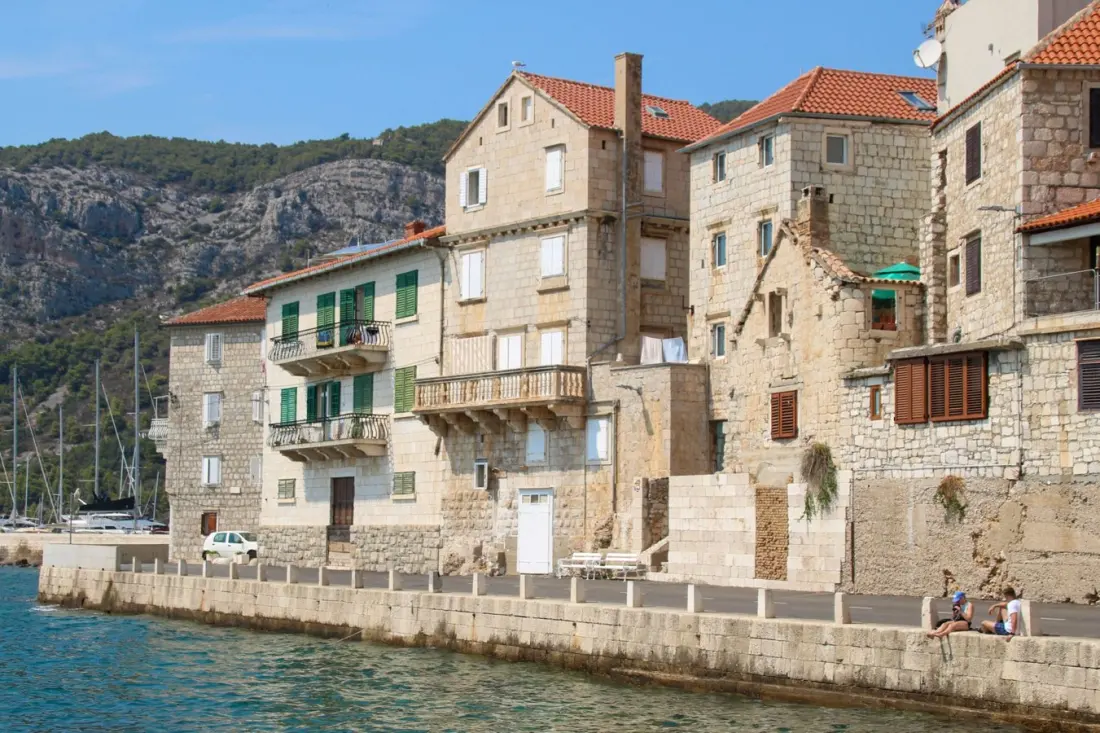
Croatia's islands look idyllic from a sun lounger, but living there year-round is another story. At an online workshop titled "Stay or leave? – young people and the future of the islands", held on 6 October as part of the Island Youth for Global Change project, young islanders laid out the five things they say are urgently needed to keep permanent life alive on the country's islands. The project, run by the Island Movement and LAG 5 under the GEAR UP! call, focused on housing, work, education, healthcare and off-season social life.
The first problem is housing. Property prices on many islands have drifted far beyond what locals can afford, making it hard for young people to put down roots or start a family. The participants' idea: municipalities would co-finance a first home purchase in exchange for a long-term residency commitment, with priority for shortage occupations if funds run short.
Work comes second. Seasonal staff recruited from abroad often get free accommodation, meals and utilities on top of wages, while local workers doing the same jobs get nothing extra. The proposal is to build or convert year-round staff houses open to domestic workers, or simply pay locals a cash allowance of around 200 euros a month in lieu of housing.
Education quietly drains the islands too. A four- or five-year degree on the mainland often becomes a one-way ticket. To keep the link alive, the group wants municipalities to subsidise at least one ferry trip home per month and to fund island student associations in university cities, pointing to the Lošinj student association in Zagreb as a working model.
Healthcare is the fourth gap. Routine specialist appointments usually mean a costly, time-consuming trip to the mainland, so the workshop proposes monthly or twice-monthly visits by specialist doctors on a fixed schedule.
Finally, there is the off-season. Once the tourists leave, social, sports and cultural life on many islands largely stops. Young residents say they would happily organise clubs and events themselves if municipalities provided premises, basic materials and seed support through public calls.
For travellers, this is a useful reality check — and a nudge. The same forces that empty islands in winter also shape what you'll find there: seasonal ferry schedules, limited medical services, restaurants closing after October. If you love the Croatian islands enough to visit outside peak summer, you're directly supporting exactly the year-round economy these young residents are asking for. Shoulder-season trips to places like Lošinj, Hvar or Krk mean open ferries in both directions matter, and quieter months show you the islands as residents actually experience them.