Australia's history is written in stone, brick and limestone — and plenty of it is allegedly still occupied. A new feature rounds up five historic sites where convict-era hardship, quarantine tragedy and wartime anxiety have left behind both documented stories and a healthy dose of ghost lore. Here's the pick of them.
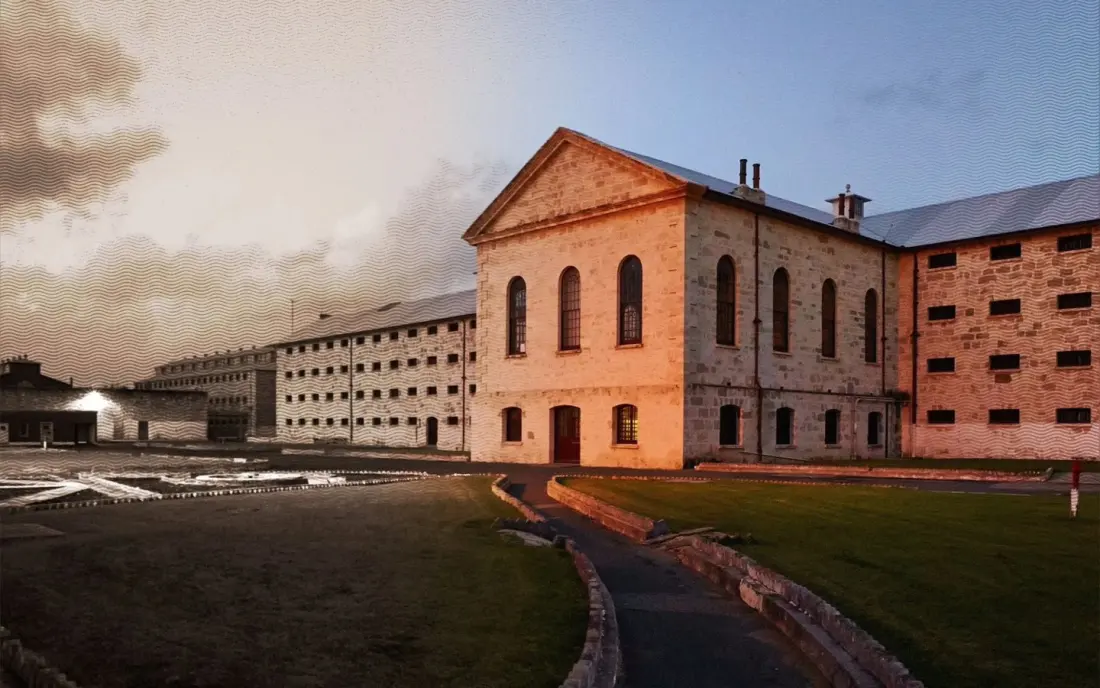
In Perth's port city, Fremantle Prison was built by convicts from local limestone in the 1850s and operated for 140 years, complete with floggings, executions and riots. After dark, torchlight tours walk you through the cell blocks, and the adventurous can climb down ladders into a tunnel network — parts of which you explore in replica convict boats. Folklore centres on Martha Rendell, the only woman hanged there, said to linger near the former women's division; some visitors claim to spot a face in a chapel window. If that hooks you, the prison even has an on-site hostel for an overnight stay.
Adelaide's contribution is quieter but arguably creepier. Newman's Nursery in Anstey Hill Recreation Park, at the foot of the Adelaide Hills, was once the largest plant nursery in the Southern Hemisphere. The Newman family ran it from 1854, but after their two-year-old daughter Mary died, storms, floods and bushfires progressively wrecked the property. Today the crumbling stone walls sit along a 3km-return walking trail, and after-dark explorers report giggling, disembodied voices and apparitions of children at play.
Sydney's Q Station on North Head, near Manly, has the grimmest numbers of the lot. From the 1830s, migrants suspected of carrying infectious diseases were quarantined here — their first taste of Australia — and over 150 years more than 13,000 people passed through, with an estimated 572 buried on site. Regular ghost tours cover the shower blocks and morgue, where visitors report unexplained touches and fleeting shadows.
Melbourne's Pentridge Prison, built partly by prison labour in the 1850s, held some of the country's most notorious criminals and hosted Australia's last judicial execution in 1967. It has since been redeveloped into a precinct with shops, restaurants, a cinema and accommodation, but guided tours of the old bluestone cell blocks keep the stories — and the tales of opening doors and stray shadows — alive.
Rounding out the list, Darwin's WWII Underground Oil Storage Tunnels were engineered after Japanese air raids in 1942 to protect the city's fuel supplies. Amusingly, cost overruns and water leaks meant they never actually stored oil. Two tunnels now operate as a museum lined with wartime photographs, though staff and visitors still report footsteps and misplaced objects.
Why it matters: these sites work whether or not you believe in ghosts. Each one packs genuine history — convict settlement, migration, disease, war — into an atmospheric setting, and most offer structured tours that make the past far more vivid than a museum glass case. Halloween is the obvious excuse, but they're worth a detour year-round.