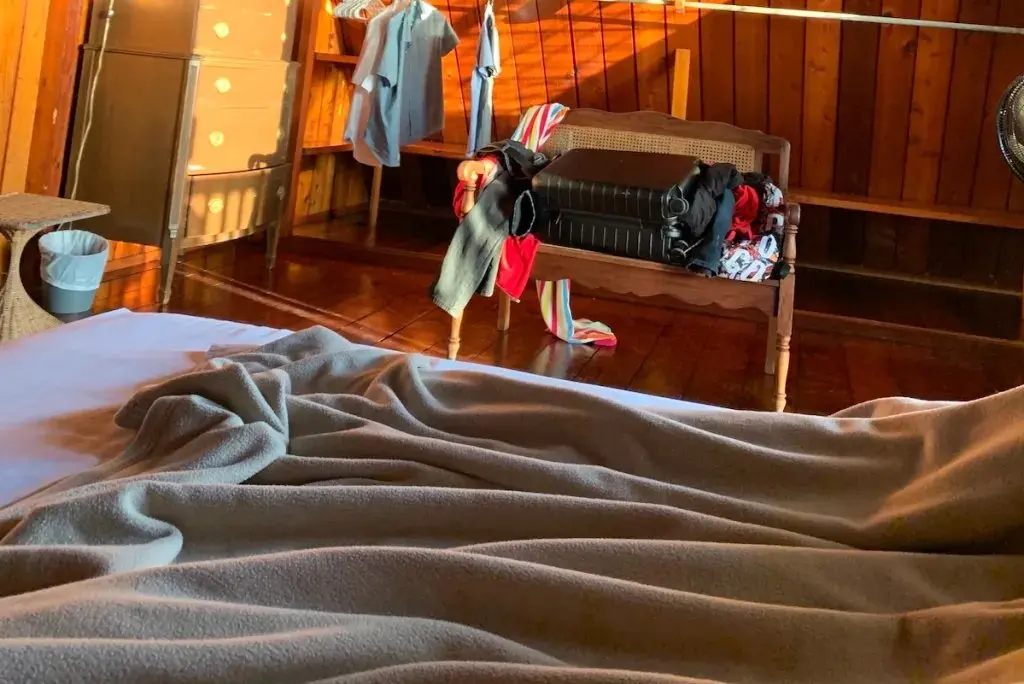
Airbnb has drawn a line under one of the most quietly annoying parts of staying in a holiday rental: the checkout chore list. From November 20, hosts can only pick from seven standard house rules, and the company says they are "generally not allowed" to require guests to wash dishes, strip beds, or take out the rubbish before leaving.
The change was announced in an email to hosts titled "Important Changes to House Rules" on Tuesday. It is the first time Airbnb has put a formal policy in writing spelling out which host requests are reasonable and which cross the line. Until now, checkout expectations were essentially down to whatever individual hosts wrote into their listings — which is how travellers ended up facing laundry duty on their last morning.
There are real consequences for hosts who ignore the rules. Repeat violations can trigger a notice on the listing itself, reduced visibility in Airbnb's search results, or what the company calls "other actions under our terms of service." In practice that could mean cancelled bookings, losing Superhost or Guest Favorite status, or even suspension of the host's account entirely.
The update also touches on paperwork. A new provision in Airbnb's terms bars hosts from requiring guests to sign separate rental agreements, with a few carve-outs: monthly stays, the high-end Airbnb Luxe tier, optional add-ons such as golf cart hire, and certain cases required by local rules. That should cut down on the awkward surprise of being asked to sign a second contract that sits outside Airbnb's protections.
For anyone who books holiday rentals, this is genuinely useful news. Checkout checklists have become a common flashpoint — guests increasingly report being asked to start the dishwasher, gather used linens, bag up rubbish, and even mow lawns, sometimes with the threat of a poor review or a withheld deposit. A written policy gives guests something concrete to point to if a host demands more than the platform considers fair, and Airbnb's enforcement tools (search demotion, badge removal) give it teeth.
It is also worth remembering the practical side: house rules still exist, and hosts can still ask for reasonable things like quiet hours, no parties, or approved check-in times. What changes from November 20 is that chore-style demands at departure are off the menu, and hosts who keep asking risk their listings. If you book a stay after the policy kicks in and find a dishwashing demand buried in the listing, you now have a legitimate grounds to flag it to Airbnb rather than shrug and grab the washing-up liquid.
One caveat: the policy rolls out from November 20, so stays booked before then may not see the changes reflected immediately, and edge cases — long-term rentals especially — play by slightly different rules. Still, for the vast majority of short holiday lets, the message to hosts is clear: you are running a hospitality business, not a boot camp.